
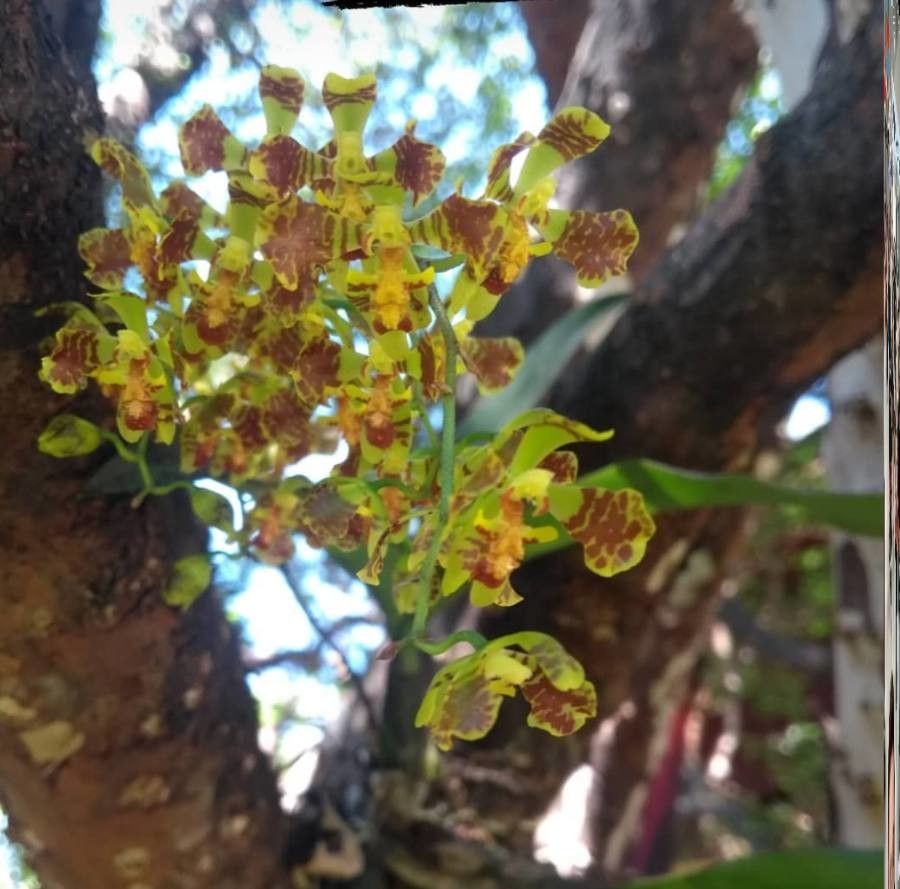
Unveiling the Secrets: How to Propagate the Enchanting Gomesa Riograndensis
The Gomesa riograndensis, a captivating orchid species native to the humid forests of Southern Brazil, is celebrated for its cascading sprays of vibrant yellow flowers. Its delicate beauty and sweet fragrance have captivated orchid enthusiasts worldwide, leading to a surge in its popularity as a cultivated houseplant.
While caring for a Gomesa riograndensis might seem daunting at first, propagating this captivating orchid is surprisingly achievable, even for novice gardeners. This comprehensive guide will delve into the effective methods of propagating Gomesa riograndensis, providing you with the knowledge and confidence to expand your orchid collection.
Understanding Propagation
Before diving into the how-to, it’s important to understand that propagation essentially means creating new plants from existing ones. For Gomesa riograndensis, there are two primary methods:
1. Division: This method involves separating a mature plant into multiple smaller plants, each with its own roots and pseudobulbs (the thickened stems that store water and nutrients).
Step-by-Step Guide to Division:
- Timing is Key: The ideal time for division is during spring, just as the plant begins active growth.
- Gentle Separation: Carefully remove the plant from its pot and gently remove excess potting medium. Using sterilized shears or a sharp knife, divide the rhizome (the horizontal stem connecting the pseudobulbs), ensuring each division has at least 3-4 healthy pseudobulbs and a healthy root system.
- Potting the Divisions: Plant each division in a well-draining orchid potting mix, ensuring the base of the pseudobulbs is level with the surface. Water lightly and place in a humid environment with indirect light.
2. Back Bulbs: Gomesa riograndensis produces new growths from older pseudobulbs, known as back bulbs. These back bulbs can be used for propagation.
Step-by-Step Guide to Back Bulb Propagation:
- Identifying Viable Back Bulbs: Look for plump, healthy back bulbs that haven’t yet sprouted new growths.
- Removal and Preparation: Carefully detach the back bulbs from the main plant. If they’re still attached by a thin rhizome, cut it cleanly.
- Encouraging Root Growth: Place the back bulbs in a shallow tray filled with moist sphagnum moss. Ensure good air circulation and maintain a warm, humid environment. Mist the moss regularly to keep it moist but not soggy.
- Potting: Once the back bulbs develop a healthy root system, they can be potted individually in an orchid mix, much like the division method.
Essential Tips for Success:
- Sterilization is Key: Always use sterilized tools and pots to minimize the risk of fungal or bacterial infections.
- Patience is a Virtue: Orchid propagation is not an overnight process. Be patient and provide consistent care, and your efforts will be rewarded with thriving new plants.
- Optimal Growing Conditions: Gomesa riograndensis thrives in warm temperatures, high humidity, bright indirect light, and a well-draining, chunky orchid potting mix. Replicate these conditions for successful propagation.
By following these guidelines, you can confidently propagate your Gomesa riograndensis and enjoy the gratifying experience of watching new life emerge from these enchanting orchids. Remember, patience and consistent care are key. So, embrace the journey and relish the rewards of expanding your own personal orchid sanctuary.