
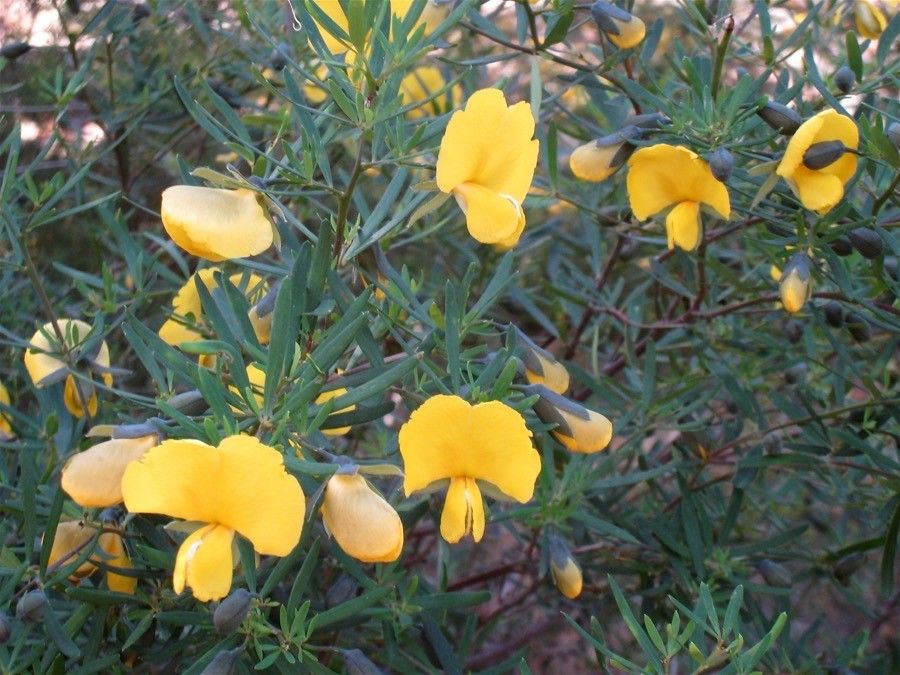
From Seed to Showstopper: Propagating the Rare and Beautiful Gompholobium Latifolium
The Gompholobium latifolium, also known as the Broad-leaved Wedge Pea, is a stunner in the world of Australian native plants. Its vibrant yellow flowers and striking foliage make it a coveted addition to any garden. But acquiring this beauty can be tricky, as it’s not readily available in nurseries. Fear not, plant enthusiasts! Learning to propagate this unique species is easier than you might think.
From Seed to Sprout
Gompholobium latifolium seeds are best sown in late winter or early spring. Like many native Australian plants, they need a period of cold stratification to break dormancy. This mimics the natural conditions they experience in their wild habitat. Here’s how to do it:
- Prepare the Seed: Lightly scarify the seed coat using sandpaper or a nail file.
- Stratification: Place the seeds in a sealed container with damp vermiculite or sand. Keep the container in the refrigerator for 4-6 weeks.
- Sowing: After stratification, fill a seed tray with a well-draining seed-raising mix. Sow the seeds about 5mm deep and cover lightly with the mix.
- Germination: Keep the tray moist and in a warm, bright location, but out of direct sunlight. Germination should occur in a few weeks.
Patience is Key
Gompholobium latifolium seedlings are delicate and need patience.
- Potting On: Once the seedlings have a couple of true leaves, carefully transplant them into small pots filled with a well-draining potting mix.
- Watering: Avoid overwatering, allowing the compost to dry out slightly between waterings.
- Sunlight: Gradually acclimatize the seedlings to full sun, starting with a few hours of morning sun and increasing the exposure as they grow stronger.
Beyond Seeds: Cuttings for Quick Results
For faster results, you can propagate Gompholobium latifolium from semi-hardwood cuttings. This method is best done in late spring or early summer.
- Cut Selection: Take cuttings from new growth that is still firm but not yet fully woody. Aim for a length of about 5-7 cm.
- Preparation: Remove the lower leaves and apply a rooting hormone to the cut end.
- Planting: Insert the cuttings into a mix of potting soil and perlite or sand, ensuring the base of the cutting is buried.
- Care: Keep the cuttings moist and in a warm, bright location, but out of direct sunlight.
- Rooted Success: Rooting should occur in 4-6 weeks.
Choosing the Right Environment
Gompholobium latifolium thrives in well-draining soil and enjoys full sun to partial shade. It’s essential to choose a location that mimics its natural habitat – a sunny, well-drained spot with open air.
Why Embrace Propagation?
By propagating this special native plant, you’re making a positive impact.
- Conserving Nature: Propagation helps to ensure the survival of this valuable species, especially as it faces challenges in the wild.
- Garden Diversity: You can share your propagated plants with friends and family, increasing the availability and appreciation for this beautiful species.
- Personal Connection: The process of nurturing a plant from seed or cutting is a rewarding and enriching experience, connecting you to the natural world.
So, embark on the journey of propagation and experience the magic of theGompholobium latifolium. With a little effort, you can enjoy this captivating plant in your own garden, while contributing to its preservation.