
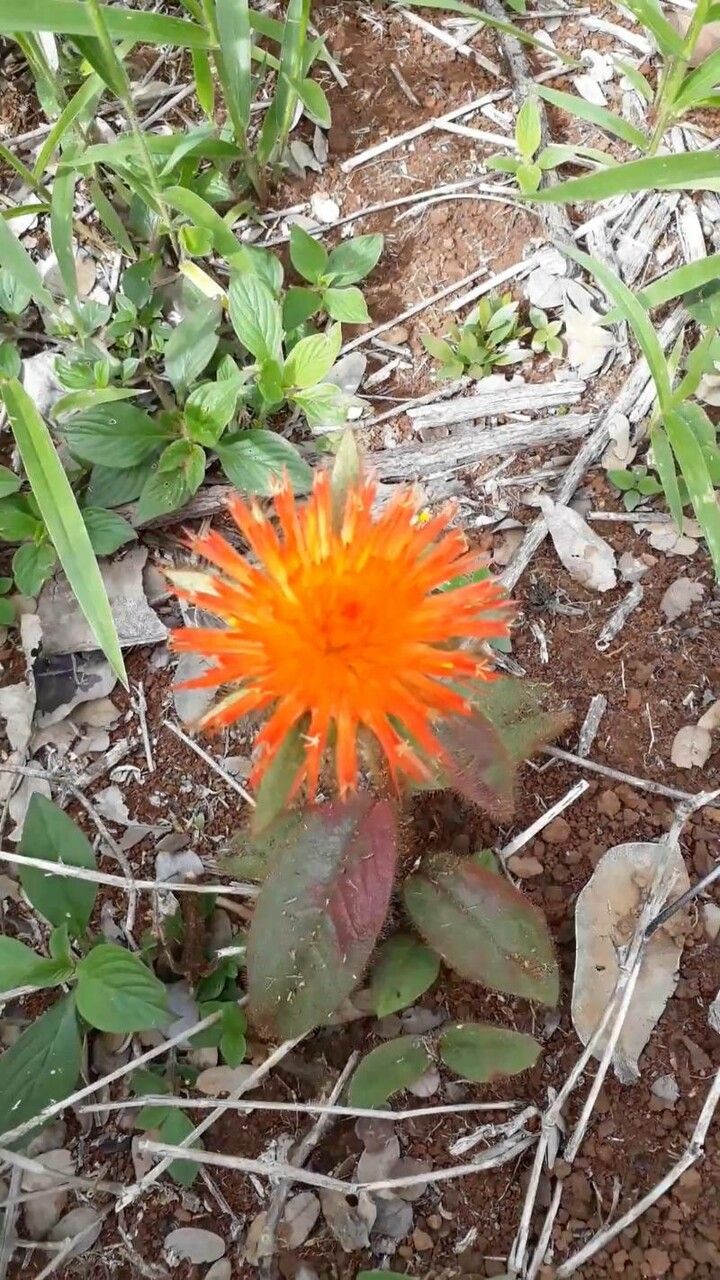
Unveiling the Secrets: How to Propagate the Enchanting Gomphrena arborescens
The Gomphrena arborescens, also known as the Globe Amaranth Tree, is a captivating plant boasting vibrant, globe-shaped flower clusters that last for weeks. This South American native brings a touch of exotic charm to gardens with its long blooming season and intriguing structure. While its beauty is undeniable, many find themselves wondering: how can I welcome more of these fascinating plants into my garden? Fear not, fellow garden enthusiast, for we are about to unravel the secrets of successfully propagating Gomphrena arborescens.
Two Paths You Can Take: Seeds and Cuttings
There are two primary methods for propagating your Gomphrena arborescens: by seed or by cuttings. Each approach has its advantages and presents a unique set of considerations.
1. Sowing the Seeds of Success:
- Gathering the Goods: The journey begins with collecting seeds from mature flower heads. Look for dried, brown flower clusters, gently crush them between your fingers, and separate the tiny, black seeds.
- Preparing for Growth: Sow the seeds in a well-draining seed starting mix, pressing them lightly onto the surface without burying them.
- Patience is Key: Place the seed tray in a warm, brightly lit location, keeping the soil consistently moist but not waterlogged. Germination typically takes 1-2 weeks.
- Transplanting Time: Once the seedlings have developed a couple of sets of true leaves, you can transplant them into individual pots or directly into your garden after the last frost has passed.
2. The Art of Cuttings:
- Choosing the Right Candidate: In spring or early summer, select healthy, non-flowering stems from your Gomphrena arborescens. Ideally, these stems should be about 4-6 inches long and taken from the current year’s growth.
- Creating the Perfect Cutting: Using a sharp, clean knife or pruning shears, make a cut just below a leaf node. Remove the lower leaves, leaving only a couple of leaves at the top.
- Encouraging Root Development: Dip the cut end in rooting hormone (optional but beneficial) and place the cutting into a pot filled with a well-draining potting mix.
- Nurturing New Roots: Maintain a warm, humid environment for your cuttings. You can achieve this by covering the pot with a plastic bag or using a humidity dome. Ensure proper ventilation to prevent fungal issues.
- The Moment of Truth: After about 4-6 weeks, gently tug on the cuttings. Resistance indicates successful root development. Once rooted, you can transplant them to larger containers or your garden.
A Few Tips for Success:
No matter which propagation method you choose, a few universal tips can increase your chances of success:
- Well-Drained Soil: Gomphrena arborescens thrives in well-drained soil. Both seedlings and cuttings will benefit from a light and airy potting mix.
- Ample Sunlight: Provide your Gomphrena arborescens with at least six hours of direct sunlight daily for optimal growth and bloom production.
- Water Wisely: Water deeply but infrequently, allowing the soil to dry slightly between waterings. Overwatering can lead to root rot.
- Fertilize for Flourishing: Feed your plants with a balanced fertilizer every 4-6 weeks during the growing season to promote healthy foliage and abundant blooms.
Propagating Gomphrena arborescens is a rewarding endeavor that allows you to expand your garden with these captivating plants. Whether you choose the magic of seeds or the efficiency of cuttings, remember to provide the right environment and a touch of patience, and soon you’ll be enjoying an abundance of these enchanting globe amaranth trees.