
Propagating the Tiger Orchid: A Guide to Gongora Batemannii
Introduction
Gongora batemannii, also known as the Tiger Orchid, is a captivating epiphytic orchid prized for its pendulous, fragrant inflorescences adorned with striking, tiger-striped blooms. Its dramatic appearance and relatively manageable size make it a sought-after addition to orchid collections, driving its popularity among hobbyist and professional growers alike. However, propagating this beauty presents unique challenges, demanding patience and a sound understanding of its specific requirements. The propagation methods available vary in success rate and difficulty, with some offering significantly more rewards than others.
Seed Germination
Currently, there are no known reliable methods for seed germination propagation of Gongora batemannii. Orchid seeds are famously minute and lack the endosperm necessary for independent germination. They require a symbiotic relationship with specific mycorrhizal fungi to germinate, a delicate balance rarely achieved outside a specialized laboratory setting. While some enthusiasts experiment with asymbiotic germination techniques using sterile media and growth hormones, the success rate for Gongora batemannii remains extremely low, making this method impractical for the average grower.
Cuttings
Cuttings are not a viable method for propagating Gongora batemannii. Unlike some orchids, Gongora species do not readily produce adventitious roots from stem cuttings. Attempts at rooting stem sections are unlikely to succeed.
Division
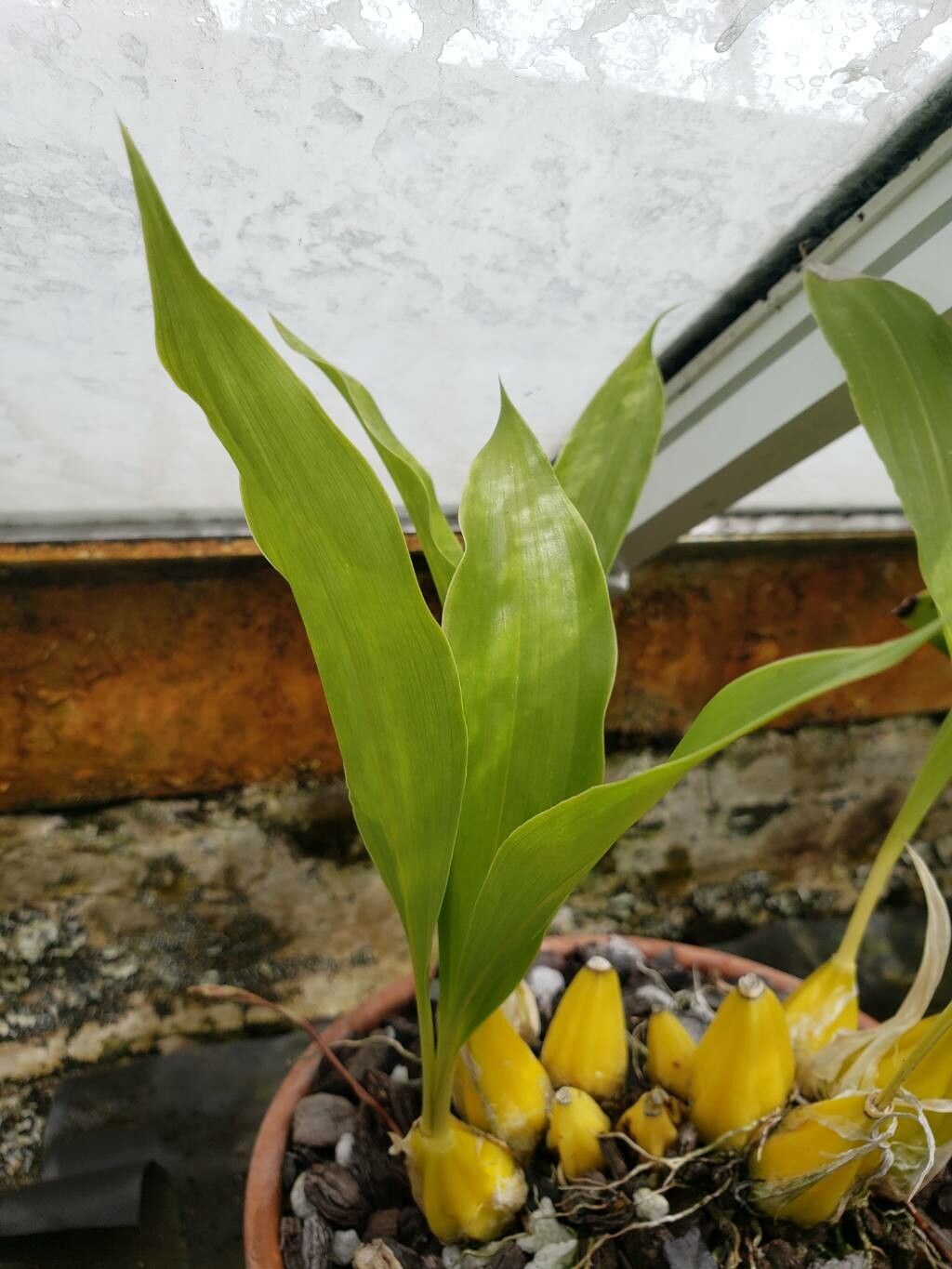
Division is the most practical and successful method for propagating Gongora batemannii. This involves carefully separating a mature plant into multiple sections, each containing sufficient roots and pseudobulbs to support independent growth.
Challenges: Successfully dividing Gongora batemannii requires care to avoid damaging the delicate roots. The plant should be divided only when it’s actively growing and sufficiently mature to withstand the disturbance.
Practical Tips: Sterilize cutting tools to prevent fungal infections. Divide the plant during repotting, ensuring each division has several healthy pseudobulbs and a good root system. Plant each division in a well-draining medium suitable for epiphytes, such as a bark-based mix.
Rewards: Division provides a relatively straightforward method for increasing the number of plants, while preserving the genetic characteristics of the parent plant.
Tissue Culture
Tissue culture offers the potential for large-scale propagation of Gongora batemannii and allows for the creation of disease-free clones. It bypasses the challenges associated with seed germination and requires specialized laboratory equipment and expertise.
Challenges: This method necessitates a sterile environment and specialized knowledge of plant tissue culture techniques, including media preparation and aseptic procedures. It involves significant upfront investment in equipment and materials.
Practical Tips: This method is best left to experienced tissue culturists or specialized laboratories.
Rewards: The potential for mass propagation, the production of virus-free plants, and the conservation of rare genotypes makes tissue culture the most powerful but also the most resource-intensive method.
Conclusion
Propagating Gongora batemannii presents unique difficulties, primarily due to the plant’s specific symbiotic germination requirements and its inability to propagate through cuttings. Division is the most reliable option for the average enthusiast, requiring care and attention but offering a satisfactory increase in plant numbers. Tissue culture represents a technically advanced solution for large-scale propagation but demands significant expertise and investment. The rewards, however, – whether witnessing the successful division of your prized orchid into healthy offspring or having multiple clones from tissue culture – are substantial. The satisfaction derived from successfully cultivating and propagating this magnificent orchid far outweighs the challenges involved, offering a deeply rewarding experience for the dedicated plant enthusiast. The journey, characterized by learning and patience, is an essential part of the success story. Don’t be discouraged by the initial hurdles; with diligent research and careful execution, propagating your Gongora batemannii is certainly achievable.