
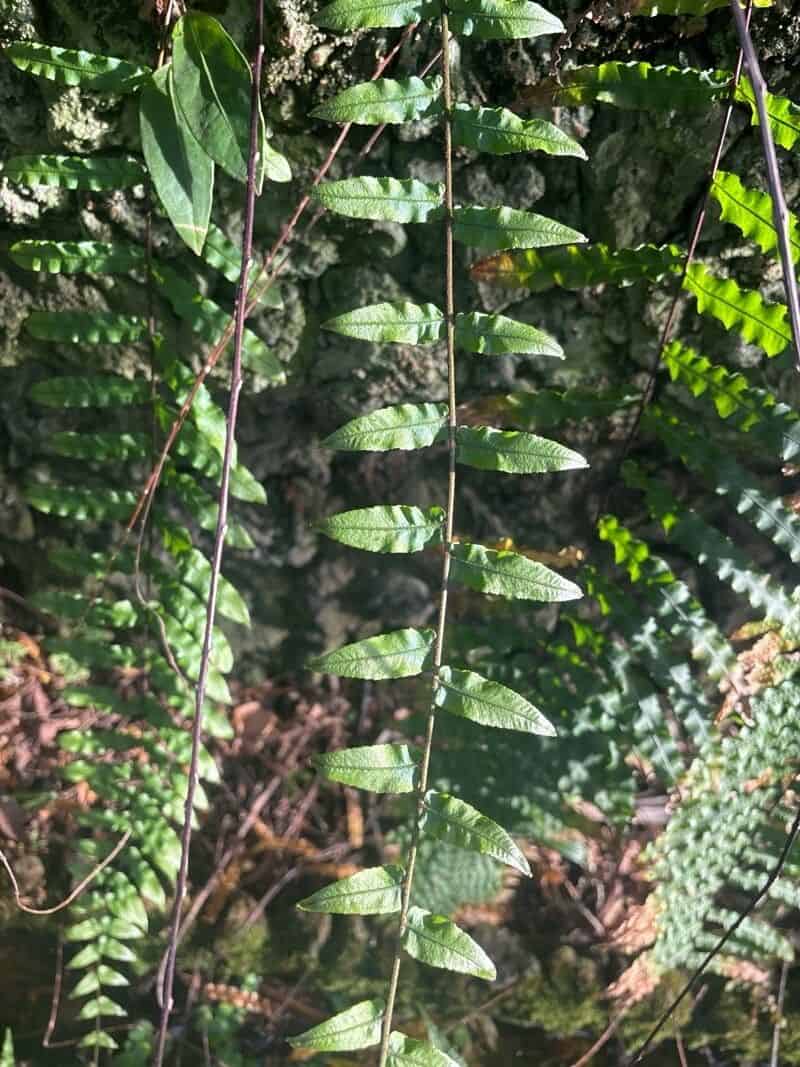
Unlocking the Secrets of the Golden Polypody: A Propagation Guide for Goniophlebium Subauriculatum
The Goniophlebium subauriculatum, also known as the Golden Polypody or the Maori Fern, is a captivating plant with its cascading fronds of golden-green foliage. Native to the Pacific Islands, this epiphytic fern brings a touch of tropical elegance to any home. While caring for a mature Golden Polypody is relatively straightforward, propagating it can seem like venturing into uncharted territory. Fear not, fellow plant enthusiasts! This guide will unlock the secrets to successfully multiplying your Goniophlebium subauriculatum and share the joy of this stunning fern with others.
Understanding Your Fern:
Before diving into propagation methods, it’s essential to understand how the Golden Polypody grows. Unlike many plants that propagate through seeds or cuttings, ferns reproduce through spores – tiny, dust-like particles found on the underside of their fronds. These spores are housed in structures called sporangia, often appearing as brown or reddish dots clustered in patterns called sori.
Propagation Methods:
1. Spore Propagation:
This method requires patience and a touch of finesse but is incredibly rewarding. Here’s a step-by-step guide:
- Spore Collection: When the sori on your fern mature and darken, carefully remove a frond and place it in a paper bag. Over a few days, the spores will release into the bag.
- Spore Sowing: Fill a shallow tray with a well-draining potting mix specifically designed for ferns. Sprinkle the spores evenly across the surface, but avoid burying them.
- Creating a Humid Environment: Mist the surface with distilled water and cover the tray with a clear plastic lid or cling film to maintain high humidity.
- Patience is Key: Place the tray in a warm, bright location out of direct sunlight. It can take several weeks or even months for the spores to germinate and develop into small fern prothalli (the gametophyte stage).
- Transplanting: Once the prothalli develop into small ferns with distinct fronds, gently separate them and pot them individually in small pots with a well-draining potting mix.
2. Division:
Mature and healthy Goniophlebium subauriculatum can be divided into smaller plants. This method offers a quicker propagation route compared to spores:
- Timing is Everything: The best time for division is during the Spring, just before the growing season kicks off.
- Dividing the Fern: Gently remove the fern from its pot and carefully tease apart the root ball using your fingers or a clean, sharp knife. Ensure each division has a healthy set of roots and fronds.
- Potting the Divisions: Plant each division in a separate pot with well-draining soil. Water thoroughly and maintain humidity as the divisions establish themselves.
Tips for Success:
- Hygiene is Crucial: Sterilize all tools and trays with rubbing alcohol before starting the propagation process to prevent contamination.
- Water Wisely: Use distilled water or rainwater when watering to avoid mineral buildup which can be detrimental to fern health.
- Light and Humidity are Key: Remember that ferns thrive in indirect light and high humidity. Mimic these conditions for optimal propagation success.
Propagation may take time and patience, but the reward of seeing new life spring from your efforts is truly fulfilling. By following these guidelines, you can confidently propagate your Goniophlebium subauriculatum and share the beauty of this magnificent fern with the world.