
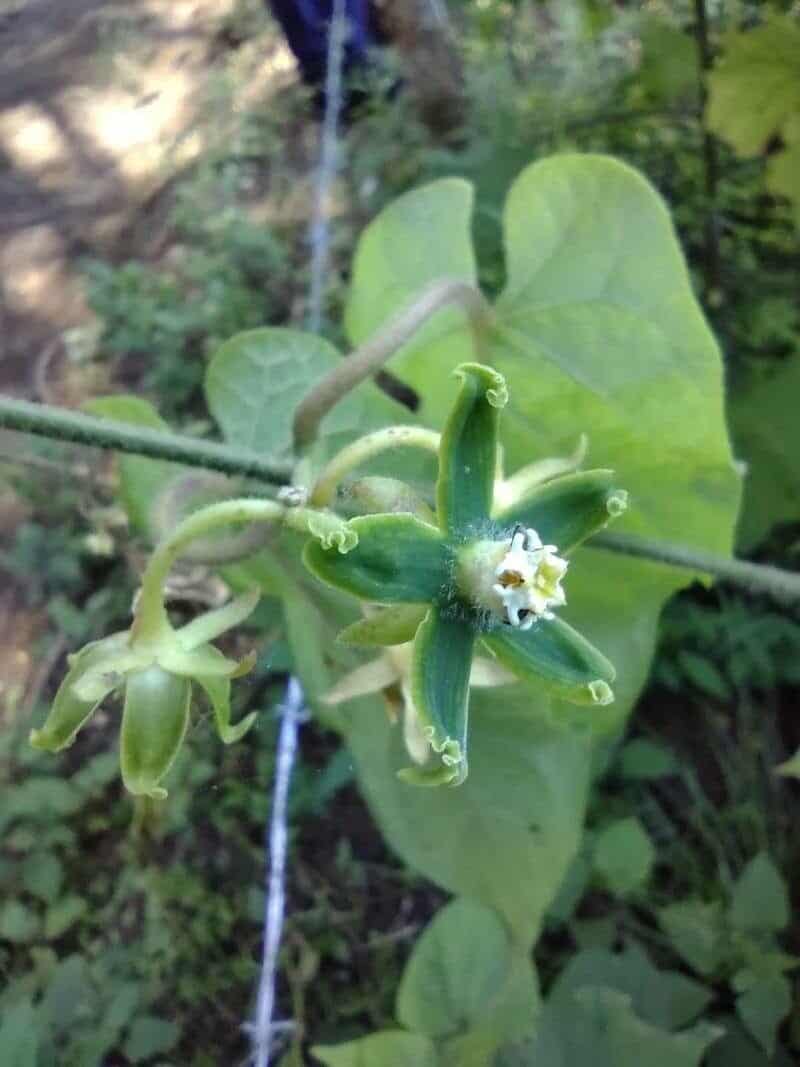
Unlocking the Secrets of Gonolobus stenosepalus: A Propagation Guide
The world of plants is full of hidden gems, and Gonolobus stenosepalus is undoubtedly one of them. This intriguing climber, with its delicate, star-shaped flowers and fascinating seed pods, might not be a household name (yet!), but its unique charm is starting to win over plant enthusiasts.
Ready to add Gonolobus stenosepalus to your collection? Let’s delve into the fascinating world of propagating this botanical beauty.
Understanding Gonolobus stenosepalus
Before we dive into propagation, let’s get acquainted with our subject. Native to Central and South America, Gonolobus stenosepalus belongs to the Apocynaceae family, better known as the milkweed family.
This vining plant boasts slender stems that twine gracefully around supports, adorned with heart-shaped leaves. Its true allure lies in the mesmerizing flowers: small, intricately detailed, and ranging in color from creamy white to pale yellow, often with mesmerizing maroon veins.
Propagation Techniques
While cultivating Gonolobus stenosepalus might seem daunting, it’s remarkably achievable with a little patience and the right approach. Here are the most effective propagation methods:
1. Seed Propagation:
- Source: The most rewarding way to obtain seeds is by collecting them from mature seed pods. Look for plump, brown pods that are starting to split open.
- Sowing: Sow the seeds in a well-draining seed-starting mix, covering them lightly with soil. Keep the soil consistently moist but not waterlogged.
- Germination: Germination can be unpredictable and may take anywhere from a few weeks to a few months. Be patient and provide warmth and humidity to encourage sprouting.
2. Stem Cuttings:
- Timing: The best time for taking stem cuttings is during the active growing season, ideally in spring or early summer.
- Selection: Choose healthy, non-flowering stems that are at least 4-6 inches long.
- Preparation: Remove the lower leaves, leaving only 2-3 pairs at the top. Dip the cut end in rooting hormone (optional but recommended).
- Planting: Plant the cuttings in a well-draining potting mix, burying a couple of nodes. Keep the soil consistently moist.
- Rooting: It may take several weeks for roots to develop. You can check for root growth by gently tugging on the cutting.
Caring for Your New Propagations
- Light: Gonolobus stenosepalus thrives in bright, indirect light. Avoid direct sunlight, which can scorch the leaves.
- Water: Water regularly, allowing the soil to dry slightly between waterings. Avoid overwatering, as it can lead to root rot.
- Humidity: As a tropical plant, Gonolobus stenosepalus appreciates humidity. Consider misting the plant regularly or placing it on a humidity tray.
- Support: Provide a trellis, stake, or other support structures for this climbing vine to thrive and showcase its beautiful growth habit.
A Rewarding Endeavor
Propagating Gonolobus stenosepalus is an immensely satisfying experience for plant enthusiasts of all levels. The process of nurturing a new plant from seed or cutting, witnessing its growth, and eventually enjoying its unique beauty is truly fulfilling. With a bit of care and attention, you can add this intriguing and rewarding plant to your own collection and enjoy its captivating presence for years to come.