
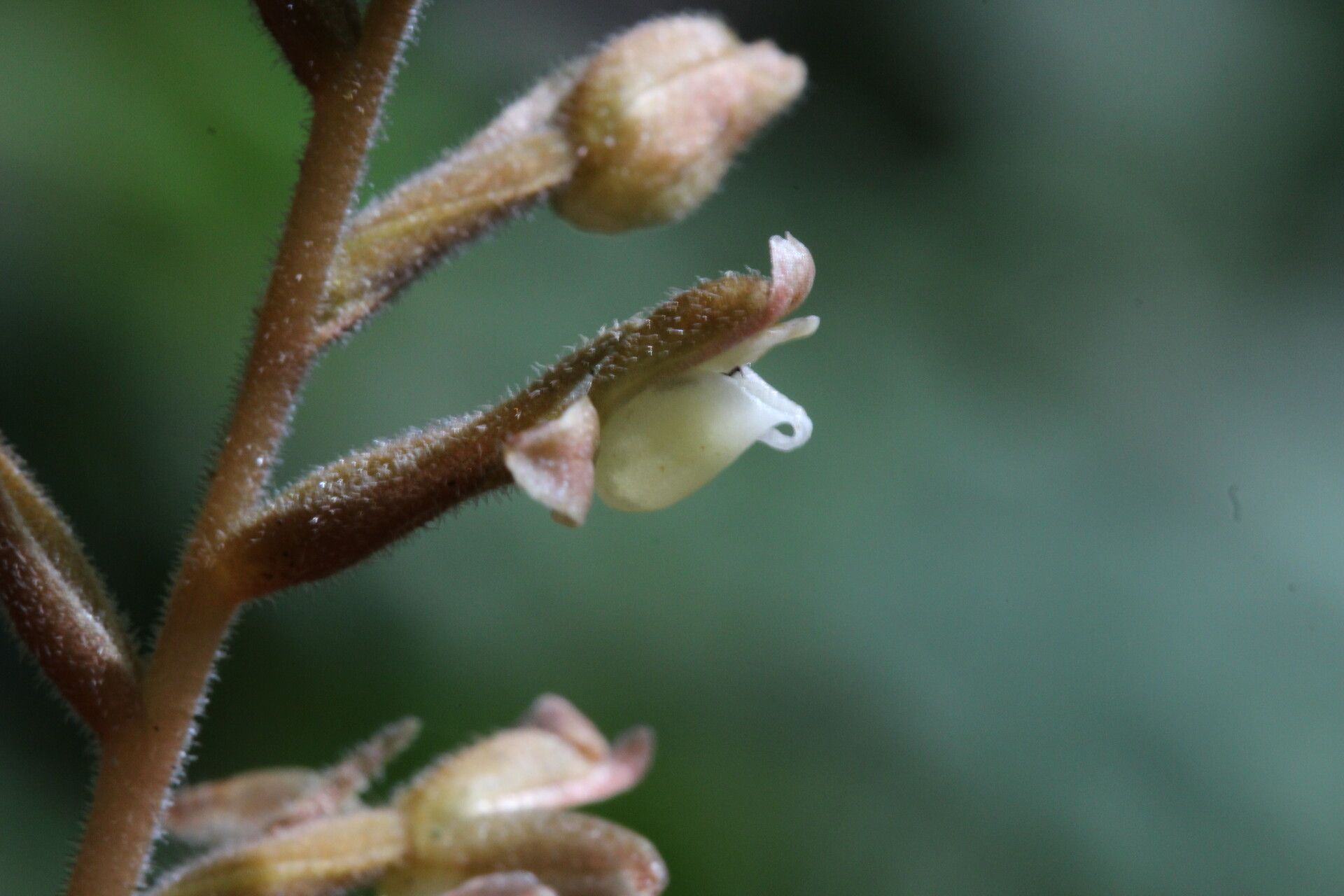
Propagating Goodyera rubicunda: Unveiling the Secrets of the Pink-Spotted Jewel Orchid
Goodyera rubicunda, commonly known as the pink-spotted jewel orchid, is a captivating terrestrial orchid prized for its striking foliage. Its ovate leaves, adorned with intricate, pinkish-red veins against a dark green background, create a mesmerizing display. This relatively rare orchid holds a special place among orchid enthusiasts, adding a touch of elegance and intrigue to any collection. Its propagation, however, presents a unique set of challenges, making successful cultivation all the more rewarding.
Seed Germination:
Currently, there are no known reliable methods for seed germination propagation of Goodyera rubicunda. Orchid seeds are notoriously tiny and lack endosperm, the food source needed for germination. They require a symbiotic relationship with specific mycorrhizal fungi to germinate successfully. Establishing this symbiotic relationship in a controlled environment is extremely difficult, and the specific fungal species required for Goodyera rubicunda remains largely unidentified. Therefore, seed propagation is not a practical method for most home growers.
Cuttings:
Cuttings are not a viable method for propagating Goodyera rubicunda. This orchid does not readily produce adventitious roots or shoots from stem or leaf cuttings. Attempts at vegetative propagation using cuttings have generally proven unsuccessful.
Division:
Division is the most commonly successful method for propagating Goodyera rubicunda. This involves carefully separating the plant’s rhizomes into individual sections, each with its own roots and at least one growth point.
Challenges: The main challenge lies in carefully separating the rhizomes without damaging the delicate roots, which are easily broken. Over-division can also weaken the plants, leading to poor establishment.
Practical Tips: The best time for division is during the spring, when the plant is actively growing. Use a sharp, sterile knife or shears to divide the rhizomes. Ensure each division has a healthy root system and at least one actively growing shoot. Replant the divisions immediately into a well-draining, humus-rich potting mix.
Rewards: Division offers a relatively straightforward way to increase the number of Goodyera rubicunda plants. It preserves the genetic characteristics of the mother plant.
Tissue Culture:
Tissue culture offers a potential method for large-scale propagation of Goodyera rubicunda, though it’s a complex and specialized technique requiring sterile laboratory conditions and a detailed understanding of plant tissue culture techniques.
Challenges: Establishing sterile cultures, identifying the appropriate growth media and hormonal balances, and overcoming the challenges associated with mycorrhizal dependency in a controlled laboratory setting are major hurdles. This method requires specialized equipment and expertise, making it unsuitable for the average home gardener.
Practical Tips: Tissue culture work is best left to specialized laboratories or nurseries with experience in orchid propagation.
Rewards: Tissue culture offers the potential for mass propagation, enabling increased availability of this sought-after orchid, as well as opportunities for genetic improvement and conservation efforts.
Conclusion:
Propagating Goodyera rubicunda presents significant challenges. While seed germination and cuttings are currently impractical, division offers a viable method for home growers. Tissue culture holds promise for large-scale propagation, but requires expert knowledge and specialized facilities. The rewards of successfully cultivating this exquisite orchid, however, make the effort worthwhile. The unique satisfaction derived from nurturing a precious plant from a single division, knowing its delicate beauty will thrive under your care, is a testament to the dedication and patience required. For aspiring propagators, mastering the art of division is the most accessible and rewarding starting point, paving the way for a deeper appreciation of this magnificent jewel of the orchid world. Remember patience and attention to detail are essential for success.