
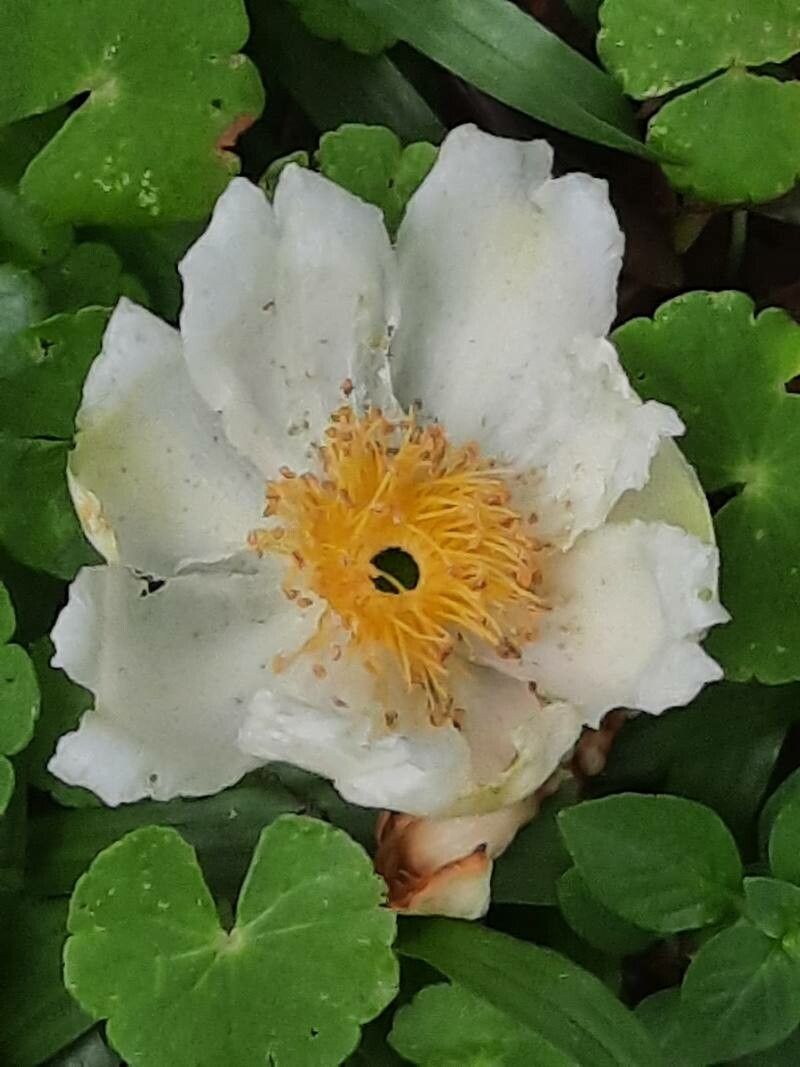
From Seed to Success: Growing Gordonia fruticosa, the Loquat-Leaved Gordonia
The Gordonia fruticosa, also known as the loquat-leaved gordonia, is a captivating evergreen shrub renowned for its beautiful white, fragrant flowers and glossy, dark-green leaves reminiscent of loquats. But did you know that this stunning plant can be easily propagated right in your own backyard? Let’s dive into the fascinating world of Gordonia propagation!
Seeds: A Simple Start
Gordonia fruticosa is readily propagated through seeds. Here’s how to get started:
- Harvesting: Collect mature seed pods from your existing Gordonia fruticosa plant in the fall. Look for pods that are brown and slightly dry.
- Extraction: Carefully crack open the pods and extract the seeds. Each pod will contain multiple seeds.
- Pre-Treatment: Consider a light scarification by lightly sanding the seed coat. This can help with germination.
- Sowing: Sow the seeds in a seed tray filled with a well-draining potting mix. Cover the seeds with about a ¼ inch of soil.
- Moisture and Light: Maintain consistently moist soil, but not soggy. Provide adequate light, either from a sunny window or under grow lights.
- Germination: Expect germination in a few weeks. Be patient, as some seeds might take longer to sprout.
Note: Propagation from seeds is a bit more involved, as it might take a couple of years for the seedlings to reach a sizeable size.
Cuttings: Quick and Convenient
For faster results, try propagation through cuttings:
- Timing: Take semi-hardwood cuttings in late spring or early summer.
- Cut Selection: Choose healthy, non-flowering stems. Select stems that are about 4-6 inches long.
- Preparation: Make a clean cut just below a node (where a leaf or branch grows). Use a sharp, sanitized knife or shears.
- Root Stimulant: Lightly dip the cut end in rooting hormone powder for maximum success. This isn’t necessary but can boost rooting significantly.
- Planting: Insert the cuttings into a pot filled with a specialized rooting mix. Ensure the cut end is buried deep enough for good contact with the rooting medium.
- Care: Maintain the cuttings in a humid and warm environment. Cover the pot with a plastic dome or bag to create higher humidity.
- Rooting: Be patient! Root formation can take several weeks. Keep the cuttings in a well-lit, indirect location, away from direct sunlight, and maintain consistent moisture. Once rooted, gradually introduce the new plant to direct sun.
Layering: A Gentle Approach
This technique, ideal for gardeners who prefer a hands-off method, allows new roots to develop while the cutting is still connected to the parent plant:
- Timing: Late spring or early summer is the ideal time for layering.
- Selection: Choose a flexible lower branch of your Gordonia fruticosa plant. Ideally, this branch should be near ground level.
- Preparation: Gently score the bark on the underside of the chosen branch.
- Layering: Gently bend the branch towards the ground, ensuring the scored area makes contact with the soil. Use wire or a stake to secure it in place.
- Moisture and Time: Keep the soil moist and allow time for new roots to develop. This can take several months.
- Separation: When roots are established, the layered branch can be carefully separated from the parent plant.
Nurturing Your New Gordonia fruticosa
Regardless of the propagation method you choose, proper care will ensure the success of your new Gordonia fruticosa plant:
- Soil: These shrubs thrive in well-drained, acidic soil. Amend your soil if needed with peat moss or pine bark.
- Light: They prefer a location with partial shade to full sun.
- Watering: Water regularly, especially during dry spells. Allow the soil to dry slightly between waterings.
- Fertilizer: In the spring and early summer, fertilize your Gordonia with an acid-loving fertilizer, specifically formulated for shrubs.
Conclusion:
Growing your own Gordonia fruticosa is a rewarding journey. Whether you choose seeds, cuttings, or layering, propagation allows you to enjoy this beautiful shrub while expanding your gardening knowledge and skills. Remember, patience and proper care are essential for success. So, get started today and experience the joy of propagating this exquisite plant!