
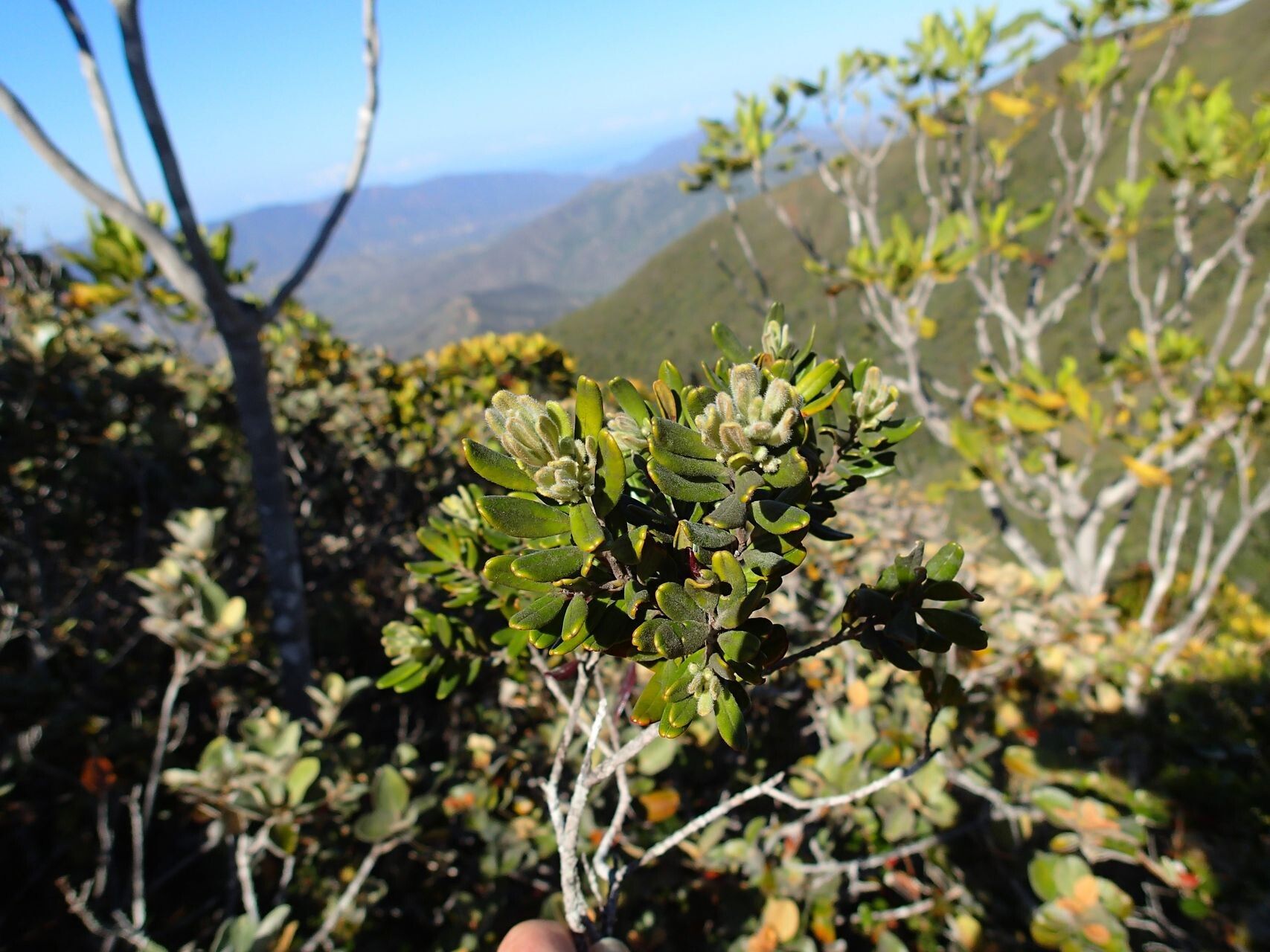
Unlocking the Secrets of Gossia Alaternoides: A Guide to Successful Propagation
The Gossia alaternoides, also known as the myrtle myrtle or shiny-leaved copper beech, is a hardy and attractive evergreen tree native to Australia. Known for its dense, glossy foliage and distinctive flaky bark, it’s a stunning addition to any garden, especially for those seeking to attract birds with its small white flowers that mature into colorful fruit. But have you ever considered growing your own Gossia alaternoides? While it might seem daunting, propagating this beautiful tree can be a rewarding experience with the right knowledge and a little patience.
Two Paths to Propagation: Seeds vs. Cuttings
Propagating Gossia alaternoides can be achieved through two primary methods: seeds and cuttings. Each technique offers its own benefits and challenges:
1. Seed Propagation: A Dance with Patience
- The Pros: Seeds are readily available and relatively inexpensive, making this method accessible to most.
- The Cons: Germination can be inconsistent and slow, often taking several months.
- The How-To:
- Collect: Gather ripe fruits directly from the tree, ensuring they are plump and slightly soft to the touch.
- Extract and Clean: Extract the seeds from the fruit and gently remove any remaining pulp.
- Sow with Care: Sow seeds in a well-draining seed-raising mix, barely covering them with soil.
- Patience is Key: Keep the soil consistently moist but not waterlogged. Place in a warm, bright location but out of direct sunlight.
2. Cutting Propagation: Fostering a Faster Start
- The Pros: Cuttings generally establish themselves faster than seeds and offer a greater guarantee of success.
- The Cons: Finding healthy cuttings can be more challenging than sourcing seeds.
- The How-To:
- Timing is Everything: Take semi-hardwood cuttings in late spring or early summer when the plant is actively growing.
- Choose Wisely: Select healthy, non-flowering stems approximately 10-15cm long.
- Prepare the Cutting: Remove the lower leaves, leaving 2-3 pairs at the top. Dip the cut end in a rooting hormone to encourage root development.
- Plant and Protect: Plant the cuttings in a well-draining potting mix. Cover the pot with a plastic bag or use a propagation dome to create a humid environment.
- Monitor and Care: Keep the soil consistently moist and provide bright, indirect light.
Nurturing Your Gossia Alaternoides: A Long-Term Commitment
Regardless of your chosen propagation method, successfully growing a Gossia alaternoides requires ongoing care:
- Well-Drained Soil: This species thrives in well-drained soil that doesn’t remain waterlogged.
- Sunshine is Key: Ensure your Gossia alaternoides receives ample sunlight, ideally 6-8 hours daily.
- Watering Wisely: Water regularly during the establishment phase, gradually reducing frequency as the plant matures.
- Pruning Power: Prune regularly to maintain shape and encourage bushier growth.
Propagating your own Gossia alaternoides is an enriching experience. With patience and the right knowledge, you can enjoy the beauty of this remarkable tree for years to come. Whether you choose to start from seed or cuttings, the journey from propagation to a flourishing tree is a testament to the magic of growing your own.