
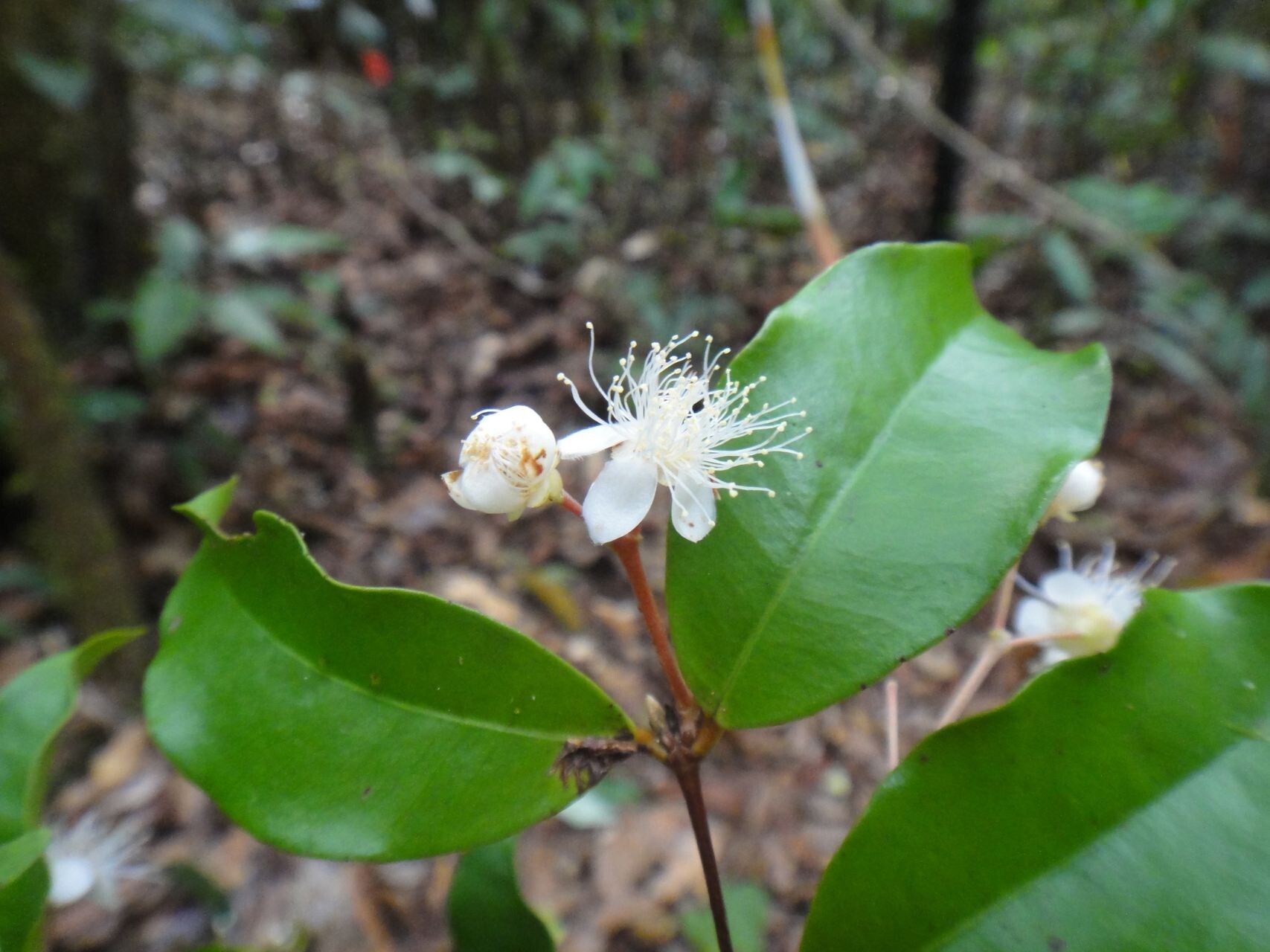
Propagating Gossia vieillardii: A Gardener’s Guide to the Brush Cherry
Gossia vieillardii, also known as the Brush Cherry (though this common name is shared with other Syzygium and Gossia species), is a captivating Australian native tree prized for its glossy, leathery foliage and attractive, often profuse, white flowers followed by vibrant red berries. Its adaptability to various soil types and relatively low maintenance requirements have contributed to its growing popularity among gardeners seeking a striking addition to their landscape. However, propagating this beautiful tree presents unique challenges. Its propagation success relies heavily on understanding its specific needs and employing appropriate techniques.
Seed Germination:
Currently, there are no known reliable methods for seed germination propagation of Gossia vieillardii. While seeds may be produced, their viability is often low, and germination rates are exceptionally poor, making this method impractical for most gardeners. Further research into seed treatment and germination conditions is needed to determine if this propagation route could be made viable.
Cuttings:
Cuttings offer a more promising approach to propagating Gossia vieillardii.
Challenges: The relatively slow rooting rate is a primary challenge. Success depends heavily on using fresh, healthy cuttings taken at the right time of year.
Practical Tips: Semi-hardwood cuttings taken in late spring or early summer, ideally from actively growing shoots, yield the best results. The cuttings should be approximately 10-15cm long, with the lower leaves removed to minimize water loss. Using a rooting hormone powder significantly improves the chances of success. Planting the cuttings in a well-draining mix, such as perlite and vermiculite, under high humidity (e.g., using a humidity dome or propagator) and providing bottom heat will encourage root development. Patience is essential, as rooting can take several weeks or even months.
Rewards: Cuttings provide a genetically identical clone of the parent plant, ensuring that desirable traits are preserved. This method is also suitable for smaller-scale propagation within a home garden setting.
Division:
Division is not a feasible method for propagating Gossia vieillardii. This species does not produce readily divisible root systems like some other plants.
Tissue Culture:
Tissue culture presents a potential avenue for large-scale propagation of Gossia vieillardii.
Challenges: This is a highly specialized and resource-intensive technique requiring sterile laboratory conditions, specific media formulations, and expert knowledge. Establishing a protocol specifically for Gossia vieillardii may be challenging and require significant research and investment.
Practical Tips: Successful tissue culture relies on selecting healthy, disease-free plant material, employing appropriate sterilization techniques, and maintaining optimal growth conditions throughout the process.
Rewards: Tissue culture offers the potential for rapid, large-scale propagation, creating many genetically identical plants. It’s an ideal method for commercial production or conservation efforts.
Conclusion:
Propagating Gossia vieillardii presents distinct challenges across different methods. While seed germination remains unreliable, cuttings offer a practical approach for home gardeners willing to invest time and effort. Tissue culture provides a pathway toward large-scale propagation but demands specialized expertise and resources. The rewards are considerable, however. Successfully propagating this stunning plant, whether through cuttings or tissue culture, provides a deep sense of accomplishment and the pleasure of nurturing a piece of Australian botanical beauty. The relatively low maintenance nature of the mature plant makes the effort worthwhile for those patient enough to persevere. For aspiring propagators, remember that patience, attention to detail, and persistence are key to success.