
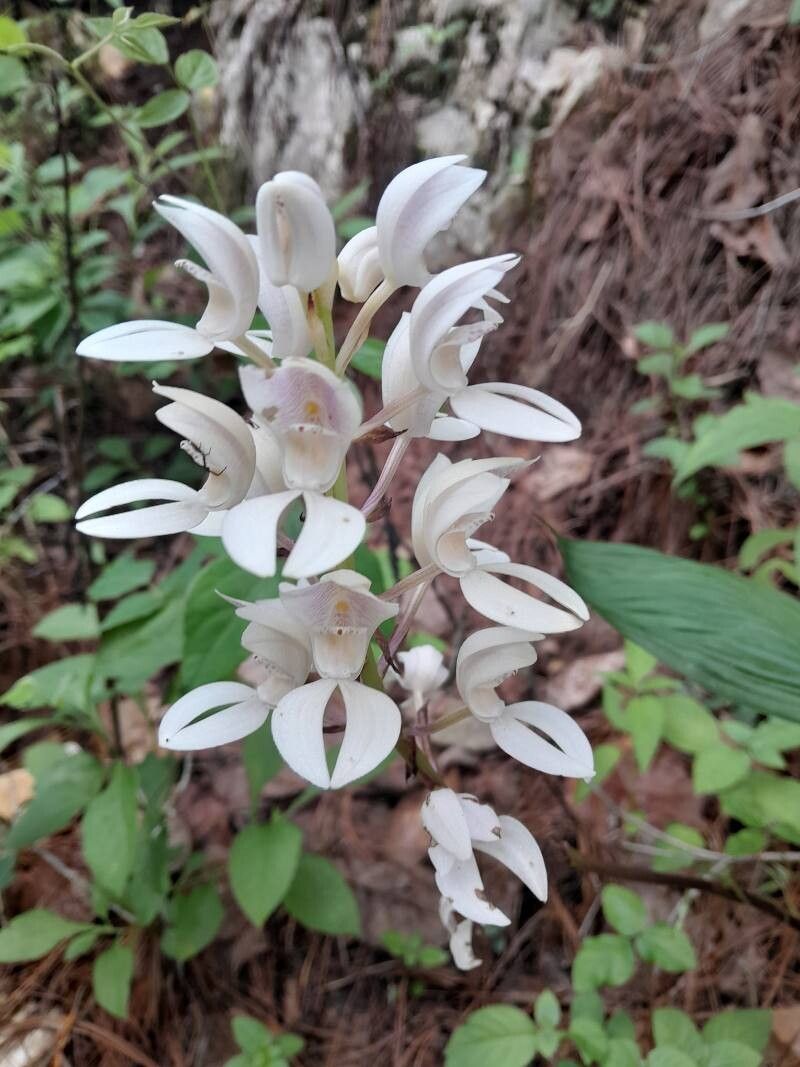
Propagating Govenia superba: The Majestic Quest
Govenia superba, also known as the Superb Govenia, is a captivating terrestrial orchid native to the cloud forests of Central and South America. Its striking, often large, blooms in shades of yellow, green, and brown, marked with intricate patterns, make it a highly desirable addition to any orchid collection. This species’ unique charm, coupled with its relative ease of cultivation (compared to some other orchids), has earned it a growing popularity among orchid enthusiasts. However, propagating Govenia superba presents a unique set of challenges, making successful cultivation a rewarding achievement.
Seed Germination:
Currently, there are no known reliable methods for seed germination propagation of Govenia superba. Orchid seeds, generally, require a symbiotic relationship with specific mycorrhizal fungi for successful germination. The specific fungal partner for Govenia superba remains unidentified, making in-vitro germination under sterile conditions using specific fungal isolates the only potential pathway, but even this remains largely unexplored. Therefore, relying on seed germination for propagation of this species is not currently feasible.
Cuttings:
Cuttings are not a viable method for propagating Govenia superba. Unlike some other plants, orchids, including Govenia superba, do not readily regenerate from stem or leaf cuttings. Attempts at propagating via cuttings will almost certainly fail.
Division:
Division is the most practical and reliable method for propagating Govenia superba. This involves carefully separating the plant’s pseudobulbs, each with its own root system, during its dormant period.
Challenges: The main challenge lies in ensuring each division has a healthy, established root system. Dividing a plant that is too small or stressed will hinder the chances of survival for the newly separated sections. Improper handling can also damage the roots and rhizomes, leading to failure.
Practical Tips: The best time to divide is when the plant shows signs of new growth after the flowering period. Use a sharp, sterile knife or shears to avoid damaging the plant tissues. After division, ensure each separated section is planted in a well-draining medium appropriate for Govenia superba, with adequate moisture but avoiding waterlogging.
Rewards: Division offers a relatively straightforward method for increasing the number of plants. It allows for the preservation of desirable genetic traits from a parent plant. The process, once mastered, can facilitate the expansion of your Govenia superba collection relatively quickly.
Tissue Culture:
Tissue culture offers the potential for large-scale propagation of Govenia superba, surpassing the limitations of division. However, it requires specialized knowledge, equipment, and a sterile laboratory environment.
Challenges: Establishing a suitable protocol for Govenia superba is crucial. This involves identifying the correct growth medium, hormonal balances, and sterile conditions needed to initiate and maintain healthy growth. This requires significant experimentation, expertise and substantial investment in equipment.
Practical Tips: Finding a reputable tissue culture laboratory with experience in orchid propagation would be essential. Collaboration with experts specializing in orchid tissue culture is highly recommended. This method allows for the creation of many clonal plants, preserving the parent plant’s characteristics.
Rewards: Large-scale propagation allows for wider distribution and conservation efforts. It offers a method for producing disease-free plants.
Conclusion:
Propagating Govenia superba presents significant challenges, primarily due to the difficulties in seed germination. Division remains the most readily accessible method for most home cultivators, while tissue culture offers a pathway for large-scale propagation but demands specialized resources and expertise. While the path may be demanding, the successful cultivation of this magnificent orchid, especially through division, provides immense satisfaction. The effort involved makes the rewards–its beautiful blooms and the pride of successful propagation–all the more fulfilling. To aspiring propagators, I offer this advice: start with division, learn its nuances, and then, if resources allow, explore the exciting possibilities of tissue culture. The journey is as rewarding as the destination.