
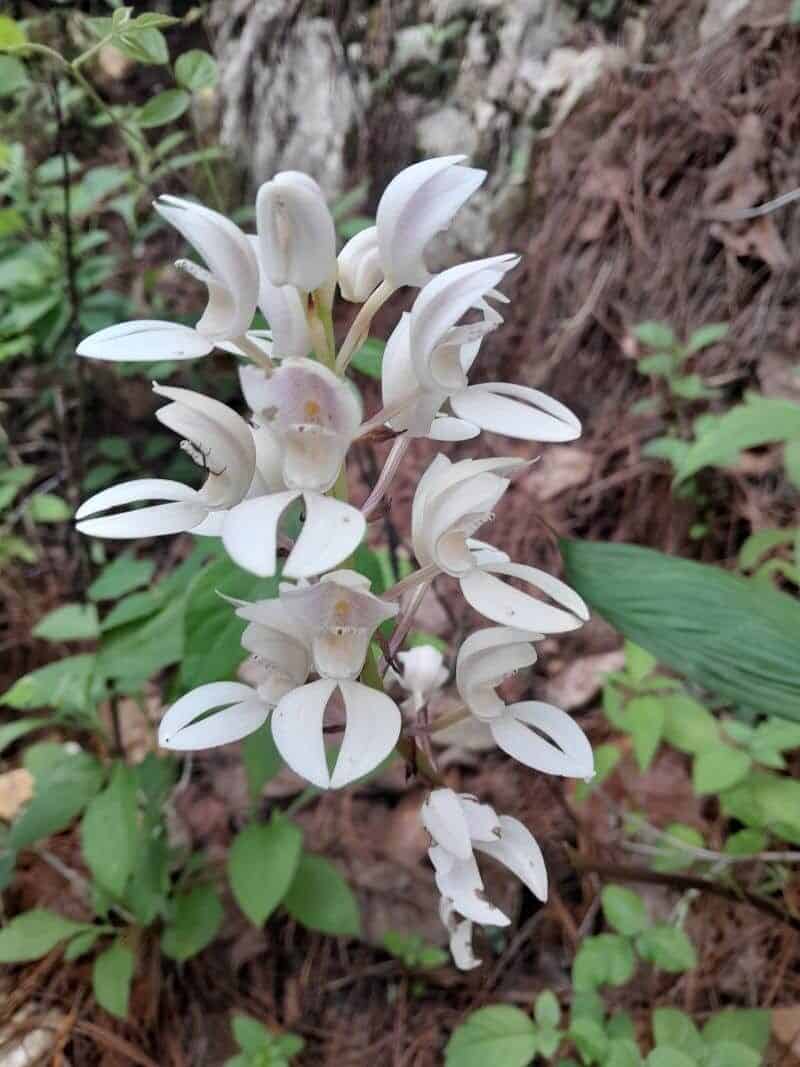
Unveiling the Secrets of Govenia Superba Propagation: A Guide for Enthusiasts
Govenia superba, with its cascading clusters of fragrant, otherworldly blooms, captivates orchid lovers and casual admirers alike. This epiphytic beauty, hailing from the tropical Americas, may seem intimidating to propagate, but don’t let its delicate appearance fool you. With patience and a dash of orchid-growing know-how, you can successfully multiply your Govenia superba and share the joy of these enchanting blooms.
Understanding the Basics:
Govenia superba, like many orchids, can be propagated through two primary methods: division and seed propagation.
1. Division: The Path of Least Resistance
For most hobbyists, division offers the most accessible and successful route to propagating Govenia superba.
- Timing is key: Divide your orchid when it’s actively growing, ideally in spring or early summer. Look for new growth emerging at the base of the plant.
- Healthy divisions: Carefully remove the plant from its pot and inspect the rhizome (the horizontal stem). Each division should have at least three healthy pseudobulbs (the thickened, bulb-like structures) and a strong root system.
- Sterile tools and media: Always use sterilized tools to prevent the spread of diseases. Prepare a well-draining orchid potting mix that mimics the plant’s natural epiphytic environment. A mix of bark, perlite, and charcoal works well.
- Potting up: Plant each division in an individual pot, ensuring the rhizome rests comfortably on the surface of the potting mix. Water thoroughly and place the newly potted divisions in a warm, humid environment, away from direct sunlight.
2. Seed Propagation: A Labor of Love
Propagating Govenia superba from seed is a rewarding but challenging endeavor, best suited for experienced orchid growers with access to specialized equipment like a sterile laminar flow hood.
- Orchid seeds are tiny: They lack endosperm, a food reserve found in most seeds. This necessitates germinating them in a sterile, nutrient-rich medium.
- The flask method: Orchid seeds are typically sown in flasks containing a sterile agar-based medium supplemented with nutrients. This controlled environment promotes germination and seedling development.
- Patience is paramount: Germination can take months. Once seedlings develop leaves and roots, they can be carefully deflasked and transferred to a suitable growing medium.
Caring for Your Propagated Govenia Superba:
Whether you choose division or seed propagation, caring for your newly established plants is crucial for their survival and future blooming.
- Bright, indirect light: Mimic their natural shaded forest habitat by providing bright, filtered light. Avoid direct sunlight, which can scorch their leaves.
- Warmth and humidity: Maintain a warm temperature range (65-80°F) and moderate to high humidity (50-70%). Frequent misting and a humidity tray can help.
- Water wisely: Allow the potting mix to dry slightly between waterings. Overwatering can lead to root rot, while underwatering can hinder growth.
- Fertilize regularly: Use a balanced orchid fertilizer diluted to half strength during the growing season to encourage healthy development.
Propagating Govenia superba requires patience and dedication, but the rewards are well worth the effort. By understanding their needs and following these guidelines, you can successfully expand your collection and enjoy the delicate beauty of these remarkable orchids for years to come.