
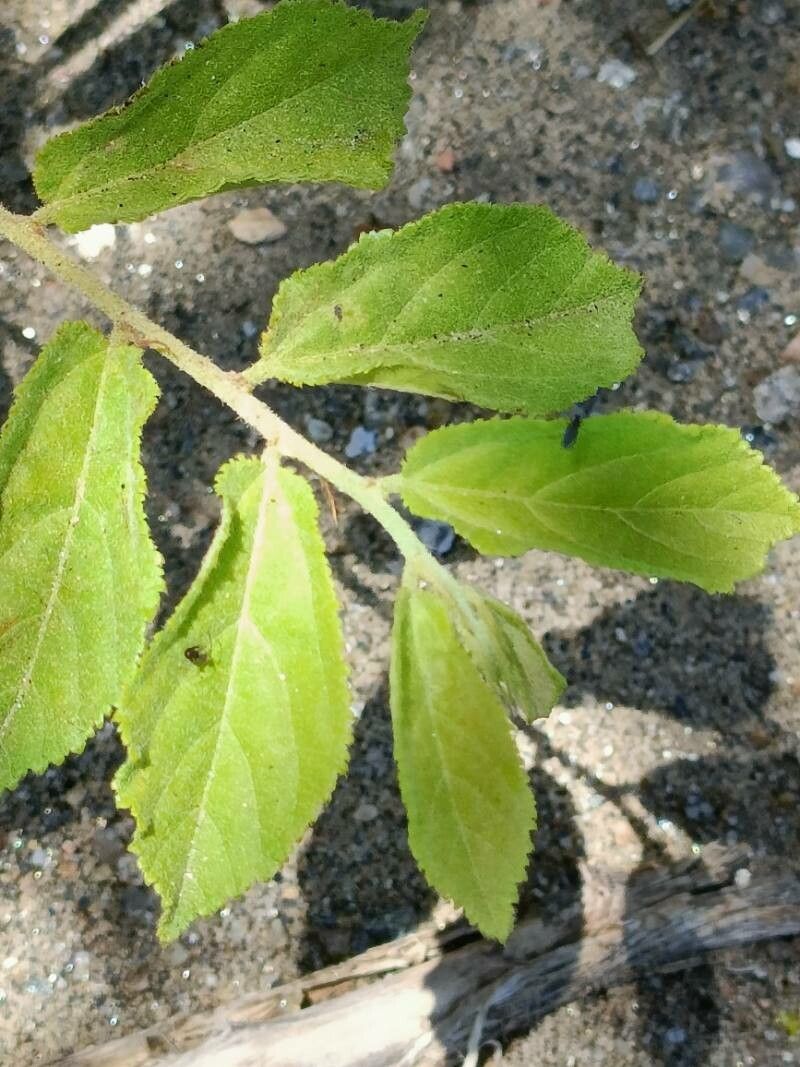
Unlocking the Secrets of Grewia Flavescens: A Propagation Guide For Golden Raindrops
Grewia flavescens, more commonly known as the Velvet Raisin or Donkey Berry, is a captivating shrub native to the African continent. With its vibrant yellow blossoms and intriguing velvet-textured fruits, it’s a stunning addition to any garden that can handle its warmth requirements. But have you ever thought about propagating your own Grewia flavescens? While not as common as growing from seed, propagation opens up exciting possibilities for expanding your garden and sharing this unique plant with others. This guide will delve into two effective methods:
1. Propagation from Cuttings:
This method involves encouraging a cut piece of the parent plant to develop roots and grow independently.
- Timing is Key: The best time for taking cuttings is during the active growing season, ideally in late spring or early summer. Choose a healthy, non-flowering stem that is showing vigorous growth.
- The Cutting Edge: Using sharp, sterilized pruning shears, take a cutting that’s about 4-6 inches long. Make a clean cut just below a leaf node (the point where a leaf emerges).
- Prepare for Success: Remove the leaves from the bottom third of the cutting to prevent them from rotting. You can dip the cut end in rooting hormone powder to encourage faster root development (optional but recommended).
- Potting and Patience: Plant your cutting in a well-draining potting mix. A mixture of perlite and peat moss works well. Gently water the cutting, ensuring the soil is moist but not soggy.
- Creating a Humid Environment: Cover the pot with a clear plastic bag or use a humidity dome to trap moisture and create a mini-greenhouse effect. Place the pot in a warm, bright location, but out of direct sunlight.
- Rooting and Beyond: Rooting can take several weeks. You can check for root development by gently tugging on the cutting. Once roots have formed, you can gradually acclimate your new plant to the outdoors and eventually transplant it into a larger pot or your garden.
2. Propagation from Seed:
Grewia flavescens readily produces seeds that can be collected and sown.
- Seed Collection and Preparation: Harvest ripe fruits from an existing plant. Remove the fleshy part of the fruit and extract the seeds. Soaking the seeds in lukewarm water for 24 hours before sowing can help to break down dormancy and improve germination rates.
- Sowing the Seeds: Prepare a seed tray or small pots with a well-draining seed-starting mix. Sow the seeds about ½ inch deep, keeping a distance of 1-2 inches between each seed. Lightly water the soil.
- Providing the Right Conditions: Cover the tray with a humidity dome or plastic wrap to maintain moisture. Grewia flavescens seeds prefer warm temperatures (around 70-75°F) for germination. Place the tray in a bright location out of direct sunlight.
- Germination and Early Care: Germination can be somewhat unpredictable, ranging from a few weeks to several months. Once the seedlings have a few sets of true leaves, you can thin out weaker ones, leaving the strongest to thrive.
- Transplanting: When the seedlings are large enough to handle, carefully transplant them into individual pots filled with a well-draining potting mix. Continue to grow them indoors or in a protected area until they are robust enough to be planted outdoors after the last frost.
Patience is Key: Remember that propagation, regardless of the method, requires patience and attention. Not all cuttings or seeds will be successful, but with practice and the right care, you can increase your chances of propagating beautiful and unique Grewia flavescens plants for your garden.