
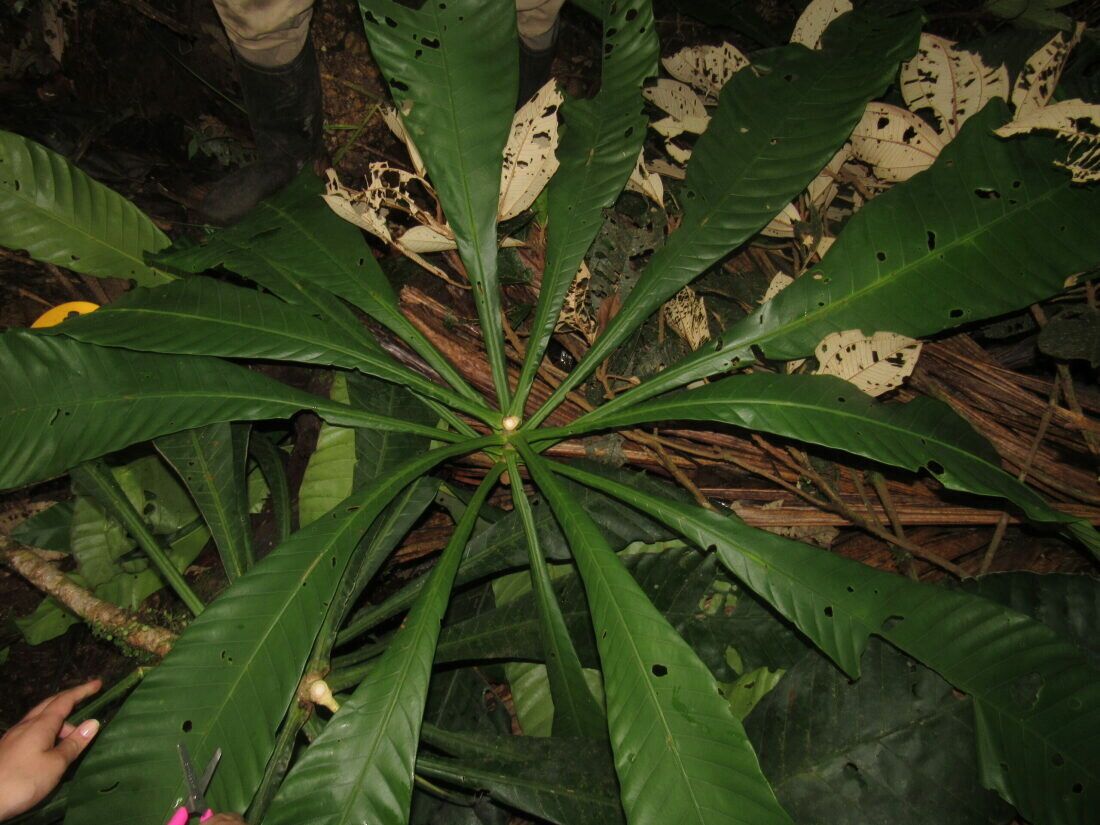
Propagating the Deliciously Challenging Grias cauliflora (Anchovy Pear)
Introduction:
Grias cauliflora, commonly known as the anchovy pear, is a fascinating tropical tree prized for its unique, flavorful fruits and attractive foliage. Native to the Neotropics, its cauliflorous habit – bearing fruit directly on the trunk and branches – makes it a conversation starter in any garden. While its popularity among adventurous gardeners is growing, propagating this species presents unique challenges. Its success often hinges on a deep understanding of its specific needs and a willingness to experiment with various techniques.
Seed Germination:
Seed germination is a viable method for propagating Grias cauliflora, albeit a challenging one. The primary challenge lies in the seed’s relatively short viability period and its recalcitrant nature (meaning it cannot tolerate drying). Fresh seeds, collected directly from ripe fruit, are crucial.
Challenges: Rapid deterioration of seed viability, susceptibility to fungal attack, and inconsistent germination rates.
Practical Tips: Sow seeds immediately after extraction, avoiding any drying. Use a well-draining seed-starting mix rich in organic matter. Maintain high humidity (e.g., using a humidity dome or propagating tray) and warm temperatures (25-30°C). Direct sowing into individual pots is recommended to minimize root disturbance during transplanting. No pre-treatment like stratification is typically needed.
Rewards: Genetic diversity is a major advantage of seed propagation, offering a broader range of plant characteristics and potentially enhanced resilience. Successful germination offers the potential for large-scale propagation, particularly valuable for conservation efforts.
Cuttings:
Currently, there are no widely documented reliable methods for propagating Grias cauliflora from cuttings. While some anecdotal evidence suggests potential success with semi-hardwood cuttings using rooting hormones, the success rate remains low and further research is needed to establish a consistent protocol.
Division:
Division is not a feasible propagation method for Grias cauliflora. This tree has a strong taproot and is not easily divided. Attempting division would likely cause severe damage to the plant, rendering it unviable.
Tissue Culture:
Tissue culture offers a promising but technically advanced method for propagating Grias cauliflora. It allows for the production of numerous clonal plants from a small amount of source material, ensuring genetic uniformity.
Challenges: Establishing a sterile environment and developing a suitable growth medium for in vitro growth are critical and often require specialized knowledge and equipment. The process is time-consuming and potentially expensive.
Practical Tips: This method requires specialized laboratories and expertise in plant tissue culture techniques. The choice of explant (plant material used for culture) needs careful consideration.
Rewards: The high potential for large-scale propagation of disease-free, genetically uniform plants is a major benefit. It also allows for the preservation of superior genotypes.
Conclusion:
Propagating Grias cauliflora successfully presents distinct challenges across all methods. While seed germination offers the advantage of genetic diversity, its limited viability necessitates careful handling. Cuttings and division are currently not viable options. Tissue culture offers a powerful alternative, but demands specialized knowledge and resources.
The inherent difficulties in propagating this remarkable tree, however, amplify the satisfaction of success. Nurturing an anchovy pear from seed to fruiting tree is a testament to patience and persistence. For aspiring propagators, focusing on using fresh seeds and maintaining optimal humidity and temperature during germination offers the highest chance of success. Don’t be discouraged by initial failures—the rewards of cultivating this exceptional plant far outweigh the effort.