
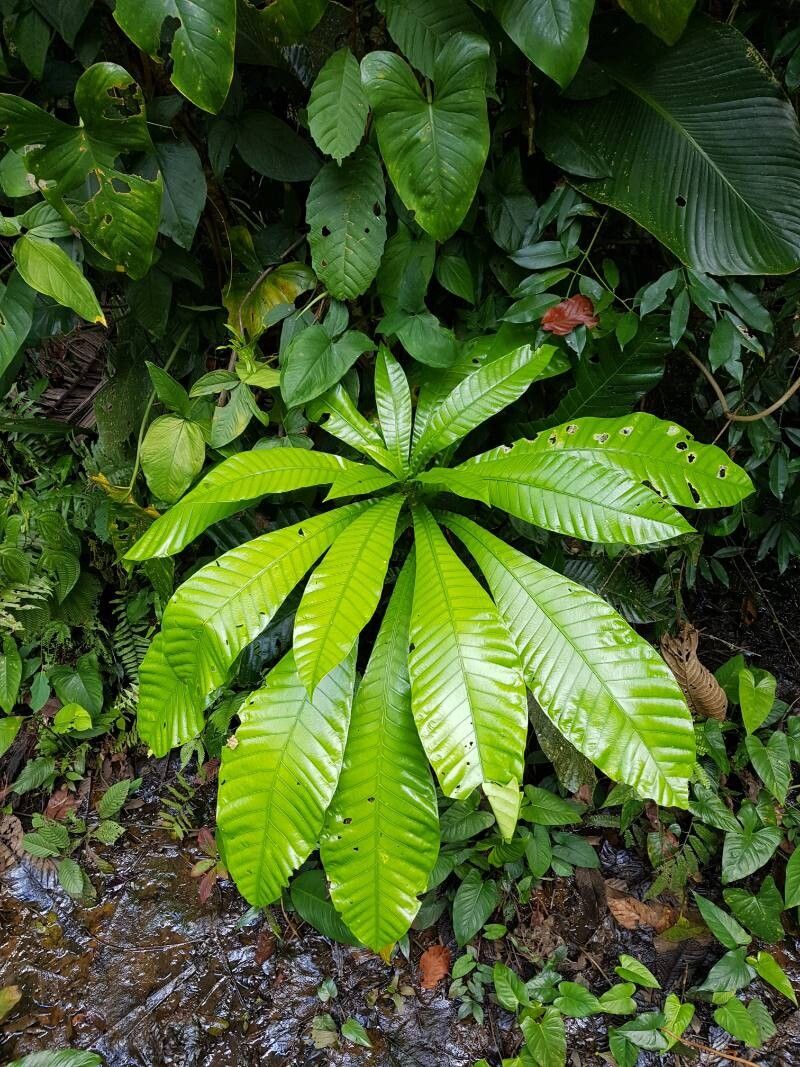
Unlocking the Secrets of the Amazonian Grape Tree: A Guide to Propagating Grias cauliflora
The Amazon rainforest holds a treasure trove of unique and intriguing flora, and among them stands the Grias cauliflora, more commonly known as the Amazonian grape tree. This fascinating tree, with its captivating cauliflory (flowers and fruits growing directly from the trunk), is a sight to behold. But have you ever wondered how to invite this tropical marvel into your own garden? Today, we’ll unravel the mysteries of propagating Grias cauliflora, exploring both the rewards and challenges this botanical endeavor presents.
Seed Propagation: A Test of Patience
The most common method of propagating Grias cauliflora is by seed, a journey that demands both patience and a nurturing touch. Here’s what you need to know:
- Source Fresh Seeds: Obtaining viable seeds is the crucial first step. Look for reputable online suppliers specializing in tropical fruits or seek out fresh seeds directly from ripe fruits if you’re fortunate enough to live in a region where the tree grows.
- Pre-treat for Success: The large, hard seeds of the Grias cauliflora benefit from pre-treatment to encourage germination. Soak the seeds in warm water for 24-48 hours, changing the water every 12 hours to prevent stagnation. This process softens the outer shell and jumpstarts the germination process.
- Create a Suitable Environment: Plant the soaked seeds in a well-draining seed-starting mix, burying them about an inch deep. Maintaining consistently warm temperatures (75-85°F) and high humidity is vital. Consider using a humidity dome or placing the seed tray within a sealed plastic bag to create a mini greenhouse effect.
- The Waiting Game: Be prepared for a lengthy waiting period. Germination can take anywhere from a few months to even a year or more. Don’t lose hope! Consistent moisture, warmth, and a bit of patience are key.
Alternative Approach: Air Layering
For those seeking quicker results or lacking viable seeds, air layering offers an alternative propagation technique. This method involves promoting root development on a branch of a mature tree, eventually separating the rooted section to create a new plant.
While air layering Grias cauliflora can be more complex and requires access to a mature tree, it offers a faster path to a mature plant compared to growing from seed. This method demands a bit more horticultural skill and knowledge, and success is not always guaranteed.
Challenges and Rewards
Propagating Grias cauliflora, regardless of the method, presents unique challenges. The tree’s tropical origin necessitates warm temperatures and high humidity, making it a difficult endeavor for colder climates. Patience is paramount, especially with seed propagation, as the journey from seed to fruiting tree can take several years.
However, the rewards are well worth the effort. Successfully cultivating this unique tree from seed or air layering is an accomplishment any plant enthusiast can be proud of. Imagine the satisfaction of witnessing your very own Grias cauliflora flourish and eventually bear its intriguing, grape-like fruit.
A Final Word:
Embarking on the journey of propagating Grias cauliflora is a testament to the dedication and patience of a plant lover. While not without its challenges, the reward of nurturing this captivating species from seed or branch to a thriving tree is an undeniably enriching experience. So, embrace the intriguing world of plant propagation and consider inviting the Amazonian grape tree into your own green haven.