
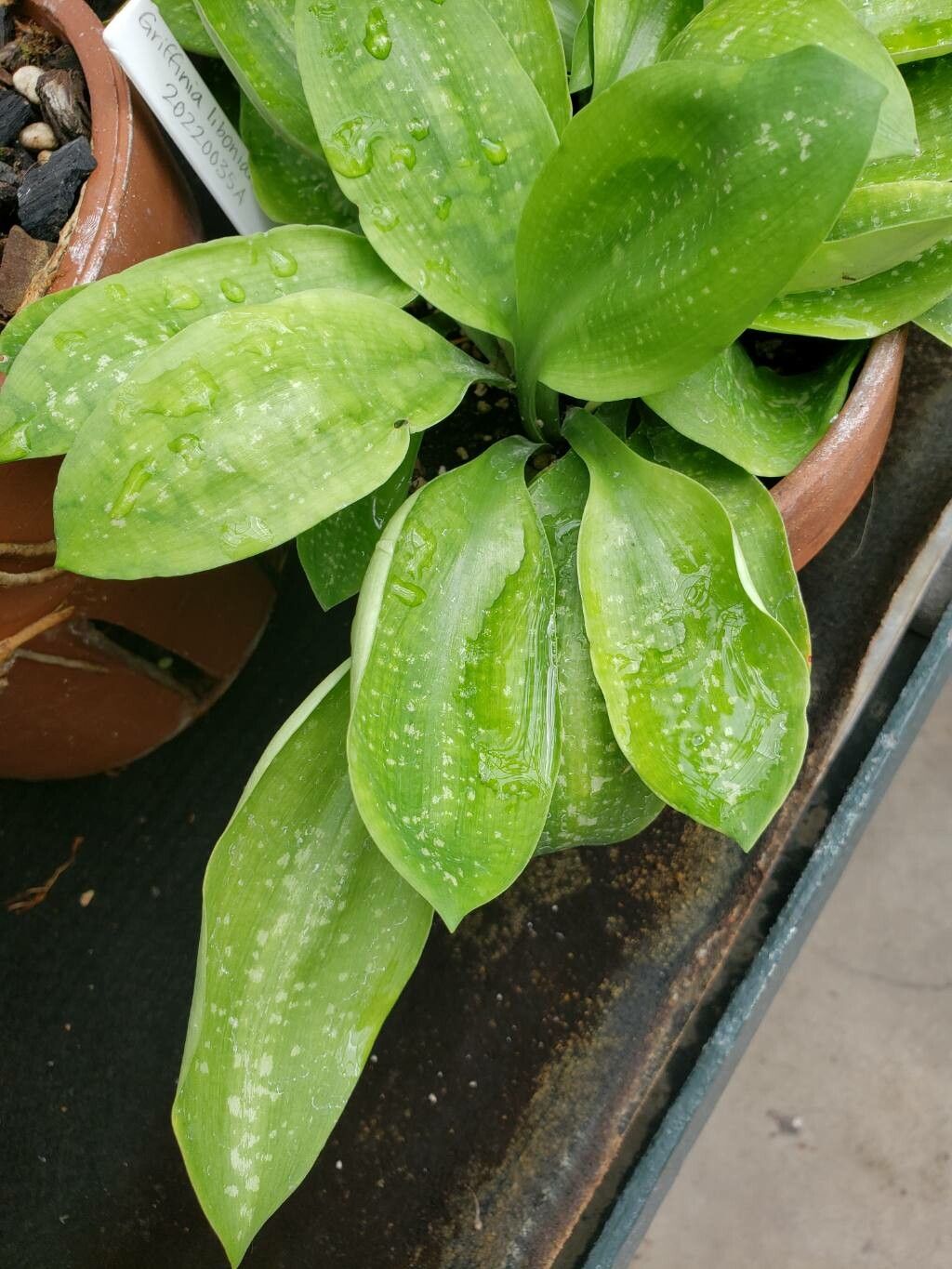
Unveiling the Secrets of Griffinia Liboniana Propagation: A Guide to Multiplying the Brazilian Starfish Flower
The Griffinia liboniana, affectionately nicknamed the Brazilian Starfish Flower, is a captivating bulbous plant with mesmerizing blue blooms reminiscent of its celestial namesake. While its beauty is undeniable, many plant enthusiasts find themselves wondering about the secrets to propagating this exotic beauty. Fear not, fellow plant lovers, for we’re about to delve into the fascinating world of Griffinia liboniana propagation!
Two Roads to Success: Seeds vs. Offsets
Mother Nature offers two primary pathways for multiplying your Griffinia liboniana collection: seeds and offsets. Each method comes with its own set of advantages and challenges. Let’s explore them:
1. The Art of Seed Propagation:
For those seeking a fulfilling, albeit more time-consuming, experience, seed propagation is the way to go. Here’s your step-by-step guide:
- Harvesting the Goods: Keep a watchful eye out for seed pods forming after the plant has flowered. Once mature, these pods will turn brown and split open, revealing precious black seeds within.
- Sowing the Seeds: Choose a well-draining seed starting mix and sow the seeds about ¼ inch deep. Keep the soil consistently moist but not waterlogged.
- Patience is a Virtue: Germination can take anywhere from a few weeks to a couple of months. Maintaining a consistently warm temperature (around 70-75°F) and providing bright, indirect light will encourage sprouting.
- Nurturing Seedlings: Once germinated, ensure your Griffinia liboniana babies receive adequate light and moisture. Be prepared to wait two to three years for them to reach flowering maturity.
2. The Shortcut: Propagating from Offsets
If patience isn’t your strong suit, propagating from offsets, also known as bulbils, provides a quicker route to expanding your Griffinia liboniana family. Here’s the breakdown:
- Identifying Offsets: Mature plants will often produce small bulbils around the base of the mother bulb.
- Separation Time: When these offsets are large enough to handle comfortably, typically after the plant has finished flowering, it’s time to separate them.
- Potting the Offsets: Carefully detach the offsets from the mother bulb, ensuring each one has its own set of roots. Pot them individually in a well-draining potting mix, similar to the mother plant’s requirements.
- Growth Spurt: Offsets tend to grow much faster than seedlings, rewarding your efforts with stunning blooms in a shorter timeframe.
Essential Tips for Success:
Regardless of your chosen propagation method, these tips will boost your chances of success:
- Well-draining Soil: Griffinia liboniana despises soggy feet. Opt for a potting mix specifically designed for bulbs or amend regular potting soil with perlite or sand to improve drainage.
- Bright, Indirect Light: Mimicking their natural rainforest habitat, provide bright, indirect light. Avoid direct scorching sunlight, which can damage the leaves.
- Moderate Watering: Water thoroughly when the topsoil feels dry to the touch, allowing excess water to drain. Reduce watering frequency during the plant’s dormancy period.
- Fertilization Boost: Feed your Griffinia liboniana with a balanced liquid fertilizer diluted to half strength every two weeks during its active growing season.
Propagating Griffinia liboniana might appear daunting at first, but armed with this knowledge and a sprinkle of patience, you can successfully multiply your collection and share the captivating beauty of the Brazilian Starfish Flower with your fellow plant enthusiasts. So go forth, propagate, and let your Griffinia liboniana family flourish!