
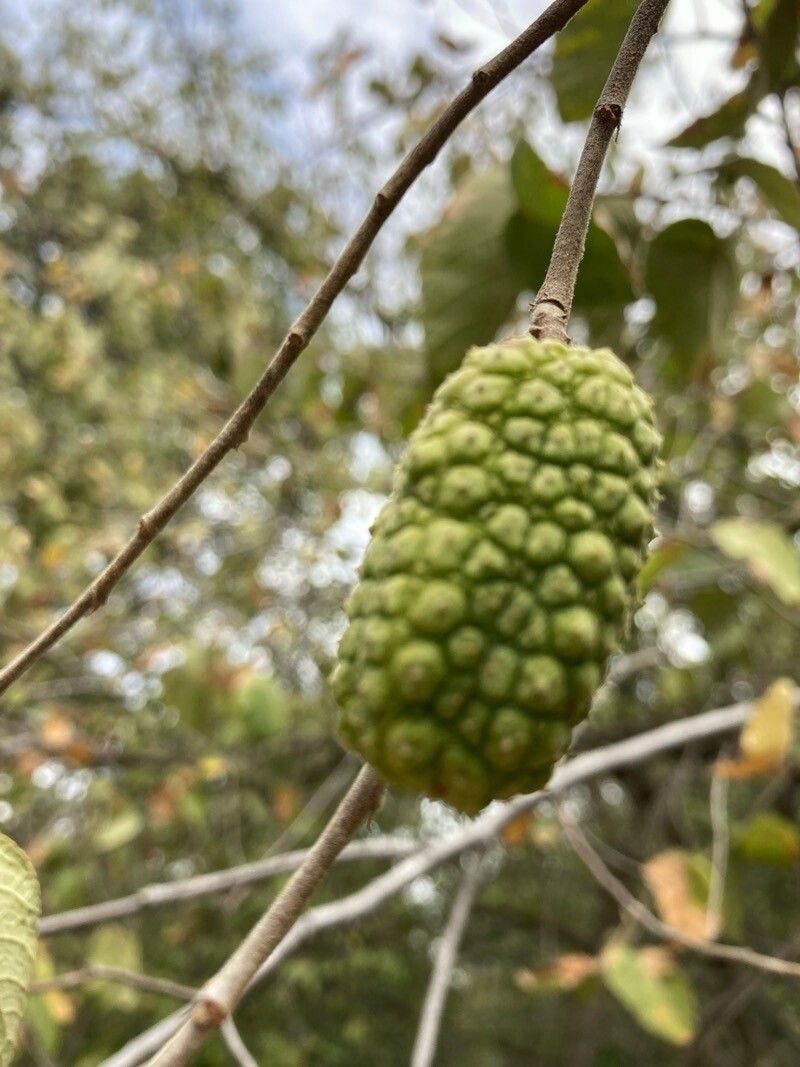
Propagating Guazuma ulmifolia: A Guide to Growing the West Indian Elm
Introduction:
Guazuma ulmifolia, commonly known as West Indian elm, is a fast-growing, medium-sized tree valued for its versatile uses. Its heartwood is prized for its durability, making it useful for carpentry and tool handles. Additionally, the tree provides valuable shade, its leaves are used as fodder, and its bark possesses medicinal properties. This multi-purpose nature has contributed to its popularity among gardeners, homesteaders, and reforestation projects. However, successfully propagating Guazuma ulmifolia presents unique challenges, making the process rewarding for those who persevere.
Seed Germination:
Seed germination is a viable method for propagating Guazuma ulmifolia, although it can be challenging. The seeds possess a hard seed coat that inhibits germination. This necessitates pre-treatment to improve germination rates.
Challenges: Hard seed coat, slow germination rates.
Practical Tips: Scarification (nicking or filing the seed coat) is crucial to improve water uptake. Soaking the seeds in warm water for 24-48 hours before sowing can also enhance germination. Sowing should be done in well-draining seed compost, keeping the soil consistently moist but not waterlogged. Warm temperatures (20-25°C) are ideal.
Rewards: High genetic diversity among seedlings, cost-effective method for large-scale propagation, ideal for establishing diverse populations.
Cuttings:
Propagating Guazuma ulmifolia from cuttings is possible, but success rates vary depending on factors like the age and health of the parent plant and the environmental conditions.
Challenges: Relatively low success rate compared to other propagation methods; requires specific environmental conditions to promote rooting (high humidity).
Practical Tips: Semi-hardwood cuttings taken in late summer or early autumn generally produce the best results. Use a rooting hormone to increase the chances of success. Keep cuttings in a humid environment (propagator or humidity dome) under bright, indirect light.
Rewards: Faster establishment compared to seed-grown plants, preservation of desirable traits from the parent plant.
Division:
Division is not a practical method for propagating Guazuma ulmifolia. This tree has a deep taproot system, making separation of sections difficult and unlikely to result in successful growth.
Challenges: Extensive and deep root system makes division near impossible. High risk of plant mortality.
Tissue Culture:
While research on tissue culture propagation of Guazuma ulmifolia may be limited, it presents a potentially viable method for large-scale, uniform propagation and conservation efforts.
Challenges: Requires specialized equipment and expertise; may be costly.
Practical Tips: Consult with specialized tissue culture laboratories for proper protocols. This method requires sterile conditions and specific nutrient media to promote shoot and root development.
Rewards: High propagation rates, the ability to produce disease-free plants, conservation of endangered varieties.
Conclusion:
Propagating Guazuma ulmifolia presents unique challenges across all methods. Seed germination offers the advantage of genetic diversity but requires patience and pre-treatment. Cuttings offer a faster, albeit less reliable, alternative. Division is generally not feasible. Tissue culture yields the potential for large-scale, uniform propagation, but necessitates specialized expertise and resources. The rewards, however, are significant: the opportunity to nurture a resilient and valuable tree with countless uses. Successfully cultivating this tree, despite the difficulties, provides a profound sense of accomplishment and contributes to the preservation of a valuable resource. Aspiring propagators should carefully consider their resources and objectives when choosing a propagation method, remembering that patience and persistence are key to success.