
From Seed to Success: How to Propagate the Versatile Guizotia Abyssinica
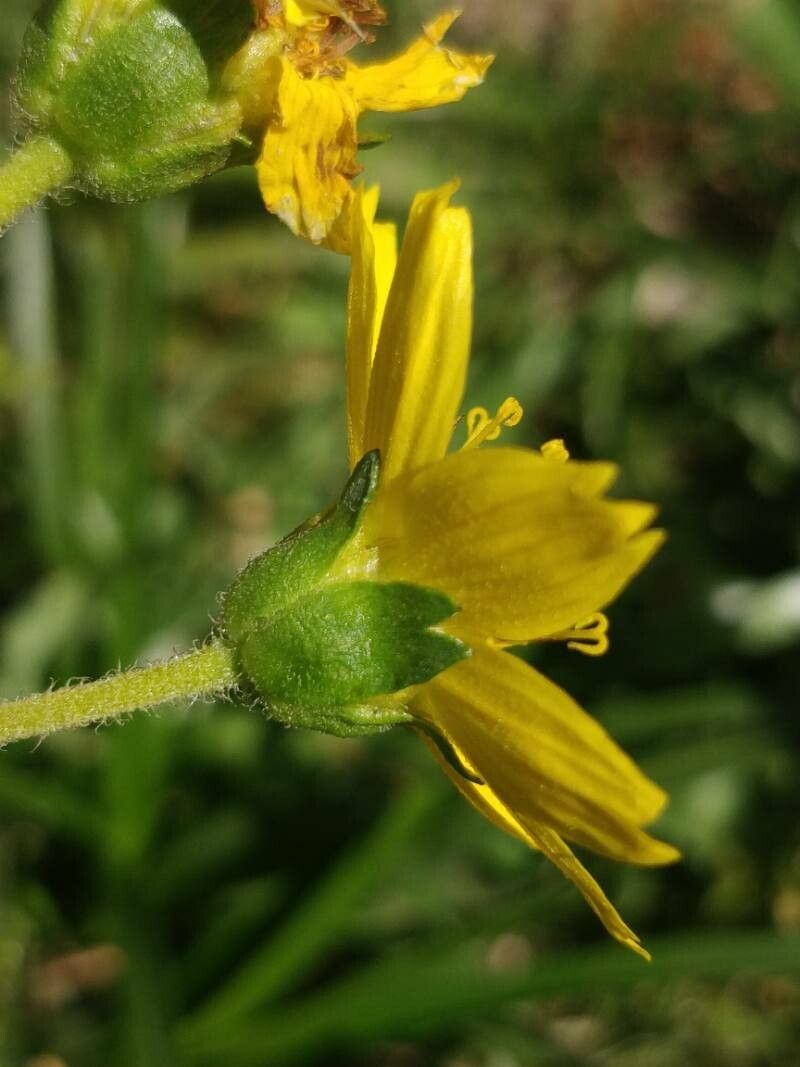
Guizotia abyssinica, also known as Niger seed, is a fascinating and valuable plant with a plethora of uses. From being a vital source of oil and protein for human consumption to a nutritious food for birds, this annual plant is gaining popularity for its adaptability and benefits. But how do you cultivate this versatile plant? The answer lies in propagation, and it’s a surprisingly simple process!
Understanding Niger Seed Propagation:
The most common and effective method for propagating Guizotia abyssinica is through seeds. Unlike some plants that can be propagated through cuttings or divisions, this plant relies on its seeds for new growth. But don’t worry, its seeds are readily available and germinate easily, making propagation a breeze for both novice and experienced gardeners alike.
Steps to Successful Niger Seed Propagation:
Choose the Right Time:
The ideal time to sow Niger seed directly into the soil is during spring or early summer. Planting in the late spring ensures the seeds have ample time to germinate and grow before the onset of winter.Prepare the Soil:
Niger seed prefers well-drained, fertile soil. It can tolerate a wide range of soil types, but it thrives when the soil is rich in organic matter. Before planting, enrich your garden bed with compost or manure to improve drainage and provide essential nutrients.Direct Sowing:
- Sow Niger seeds directly in the garden bed, spacing them about 12 inches apart.
- The recommended depth for planting is about ½ inch.
- Gently press the seeds into the soil and cover them lightly.
- Water the seeds thoroughly, ensuring the soil remains moist but not waterlogged.
Germination and Thinning:
Niger seed germination takes about 7-10 days, depending on the temperature and humidity level. Once the seedlings emerge, thin them out to maintain a spacing of 12 inches between plants. Thinning ensures adequate space for each plant to grow and develop properly.Watering and Fertilizing:
Water the seedlings regularly, especially during dry periods, to maintain consistent soil moisture. Once the plants are established, they can tolerate some drought and only require water during dry spells. Fertilize the plants once a month with an organic fertilizer to promote healthy growth.- Harvesting:
After 90-120 days, the plant will produce seed heads containing numerous seeds. The seeds are ready to harvest once the heads turn brown and dry. You can either harvest the entire heads or simply collect the seeds from the heads.
Tips for Successful Niger Seed Propagation:
- Light Requirement: Niger seed thrives in full sunlight.
- Pest Control: The plant is generally pest-resistant, but in areas with high insect pressure, you might need to use appropriate control methods.
- Disease Prevention: Ensure good air circulation by spacing plants appropriately to reduce the risk of fungal diseases.
By following these simple steps, you can easily propagate Guizotia abyssinica and enjoy its many benefits. From its attractive foliage to its valuable seeds, this versatile plant is a rewarding addition to any garden, offering a rich harvest and a valuable resource for bird feeding or oil extraction. So, get started today and welcome the beauty and utility of this exciting plant into your garden.