
Taming the Tumbleweed: Propagating the Unique Gundelia tournefortii
The Gundelia tournefortii, also known as the tumbleweed thistle or akub, might not be as familiar as your typical rose or daisy, but this intriguing plant holds a unique charm for any plant enthusiast seeking something different. Native to the Eastern Mediterranean, this edible thistle isn’t just a botanical curiosity; it boasts a fascinating life cycle and delicious culinary uses. If you’re ready to invite a touch of the exotic into your garden, here’s how to propagate Gundelia tournefortii.
Understanding the Tumbleweed Thistle
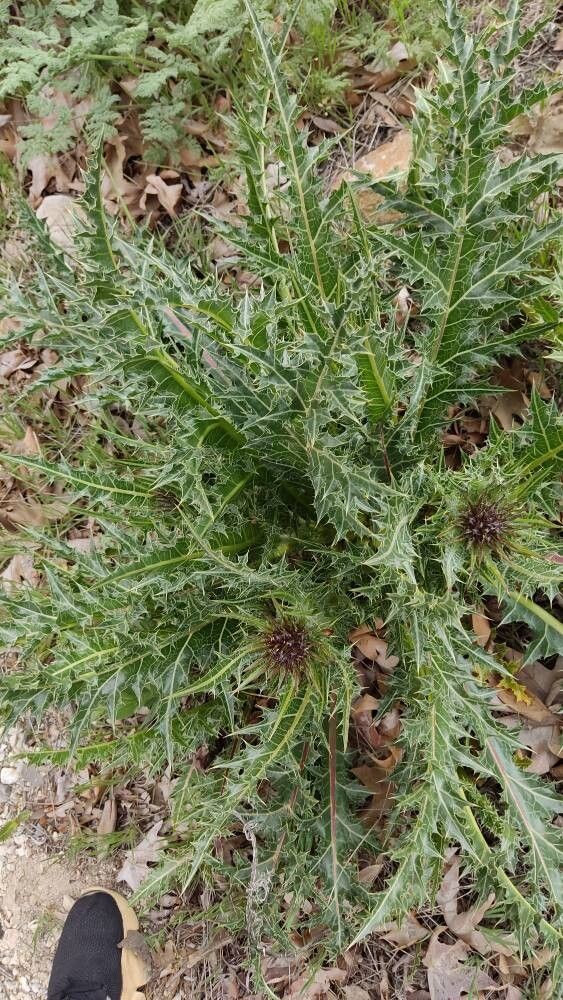
Before we delve into propagation, let’s get acquainted with this fascinating plant. Gundelia tournefortii is a perennial with a twist. It grows as a rosette of spiny leaves, producing a single, large flower head in the center. But here’s where it gets interesting: once the seeds mature, the entire plant dries up and detaches from its roots, becoming a tumbleweed! This clever dispersal method allows the seeds to spread far and wide, carried by the wind.
Methods of Propagation
While the tumbleweed characteristic might seem like the plant propagates itself effortlessly, you can give nature a helping hand with these methods:
1. Seed Propagation:
- Harvesting: Collect seeds in late summer or early fall when the tumbleweed has fully dried and the seeds are easily dislodged.
- Sowing: Sow seeds directly into the ground in fall or early spring. Choose a sunny location with well-drained soil. Gundelia tournefortii thrives in poor, rocky soils, so don’t worry about amending it too much.
- Germination: Be patient! Germination can be slow and erratic, sometimes taking several weeks. Keep the soil consistently moist until seedlings emerge.
2. Division:
- Timing: Divide established plants in early spring before new growth appears.
- Method: Carefully dig up the plant, ensuring you get as much of the root system as possible. Using a sharp, clean knife, divide the plant into sections, each with several healthy shoots.
- Replanting: Replant the divisions immediately, spacing them at least 18 inches apart. Water well and keep the soil consistently moist until the plants are established.
Caring for Your Gundelia tournefortii
Gundelia tournefortii is a remarkably low-maintenance plant once established.
- Watering: While it appreciates regular watering during its first growing season, established plants are incredibly drought-tolerant and require minimal watering.
- Fertilizing: This resilient plant thrives in poor soil and rarely needs fertilizer. If your soil is extremely depleted, a light application of balanced fertilizer in early spring is sufficient.
- Pests and Diseases: Gundelia tournefortii is relatively pest-free and resistant to diseases.
Harvesting and Uses:
Beyond its intriguing appearance, Gundelia tournefortii offers culinary and medicinal benefits. The young shoots and leaves are edible and considered a delicacy in some cultures. They can be eaten raw in salads, cooked like asparagus, or used to flavor stews and soups.
Adding Gundelia tournefortii to your garden isn’t just about cultivating a plant; it’s about embracing a piece of natural history. This unique thistle, with its fascinating life cycle and culinary versatility, is sure to spark conversation and add a touch of the extraordinary to your garden landscape.