
From One to Many: The Easy Guide to Propagating Gutierrezia Texana (Texas Rabbitbrush)
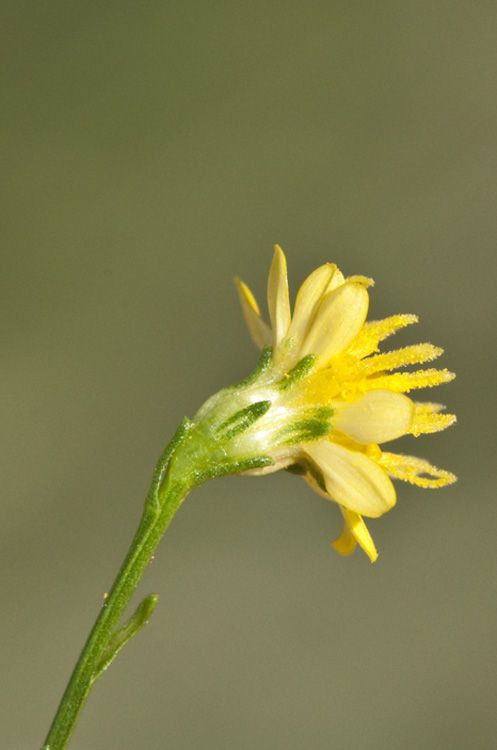
Gutierrezia texana, affectionately known as Texas Rabbitbrush, is a hardy, drought-tolerant wildflower native to the southwestern United States. Known for its bright yellow blooms and graceful, feathery foliage, this plant is a favorite among gardeners looking to add a splash of color and natural texture to their landscapes.
But there’s more to Texas Rabbitbrush than its beauty. This plant is also a remarkable example of resilience, capable of easily reproducing itself through both seeds and cuttings. That’s right – you can easily grow your own Texas Rabbitbrush from a piece of the parent plant!
Propagating Texas Rabbitbrush: A Step-by-Step Guide
1. Timing is Key:
The best time to propagate Texas Rabbitbrush is during the early spring or late summer. This is when the plant is actively growing and has plenty of energy to devote to root development.
2. Choose Your Method:
- Seed Propagation: Collect mature seeds from your Texas Rabbitbrush plants. If you’re not sure when they’re ripe, look for a change in pod color from green to brown. Sow seeds directly into the ground or start them indoors.
- Cuttings: Take 4-6 inch cuttings from the semi-hardened new growth of the previous year. Cut them just below a node (the point where leaves grow) on the stem.
3. Preparing Your Cuttings:
- Remove the leaves: Cut off the bottom set of leaves from your cuttings, as these can rot if submerged in soil. If you have any buds, these should be pinched off. The goal is to encourage new roots to form.
- Dip in rooting hormone: Using a rooting hormone solution, lightly dip the cut end of each cutting. This will help to stimulate root development.
- Plant your cuttings: Place your cuttings in a well-draining potting mix. A 50/50 mix of peat moss and perlite works well.
4. Providing the Right Conditions:
- Water regularly: Keep the soil moist, but not soggy.
- Humidity is key: Maintaining high humidity will help your cuttings to root quickly. Cover your cuttings with a humidity dome or plastic wrap to create a greenhouse effect.
- Light: Provide your cuttings with indirect sunlight or grow them under artificial grow lights.
5. Patience is a Virtue
Texas Rabbitbrush cuttings will typically root in 4-6 weeks. During this time, avoid disturbing the cuttings as they establish new roots.
6. Transplant to the Garden.
Once your cuttings have established themselves, you can transplant them to your garden in a sunny location. Texas Rabbitbrush is particularly well-adapted to dry, rocky soil.
Enjoying Your Texas Rabbitbrush Propagation
Once your Texas Rabbitbrush has rooted and established itself, it will begin to produce its beautiful yellow flowers, adding a burst of color to your landscape. You also get the benefit of multiplying this drought-tolerant and adaptable plant!
Tips for Success
- Be sure to use sterilized pots and tools to prevent disease.
- Choose healthy cuttings from vigorous parent plants.
- Provide your cuttings with proper care, and don’t be afraid to experiment!
Propagating Texas Rabbitbrush can be an enjoyable and rewarding experience. It’s a great way to share this resilient plant with others or expand your own collection. So try it out and enjoy the beauty of Gutierrezia texana in your own garden!