
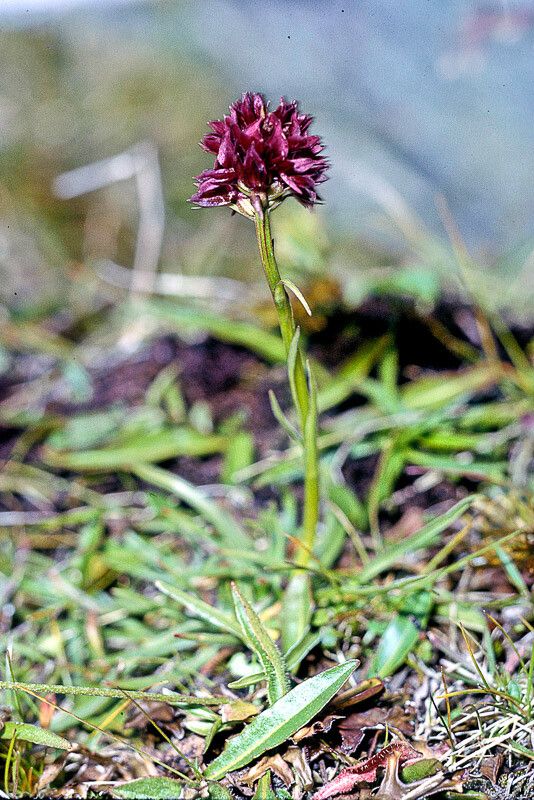
Unveiling the Secrets of Propagating the Fragrant Orchid: Gymnadenia austriaca
The Gymnadenia austriaca, also known as the Austrian Orchid, is a captivating wildflower renowned for its sweetly-scented, densely packed, pale pink to purplish-red flowers. Its elegant beauty graces meadows and grasslands across Europe, leaving admirers yearning to cultivate its charm in their own gardens. However, propagating this enchanting orchid can be a challenging endeavor, demanding both patience and understanding of its unique lifecycle.
Unlike many garden varieties, propagating Gymnadenia austriaca primarily relies on seed germination, a process deeply intertwined with a symbiotic relationship with specific soil fungi. This complex interaction, known as mycorrhizal association, is crucial for the orchid’s survival, particularly in its early stages.
Seed Germination: A Delicate Dance
Gymnadenia austriaca produces tiny, dust-like seeds lacking the nutritional reserves found in most plant seeds. In their natural habitat, these seeds rely on mycorrhizal fungi present in the soil to germinate and establish themselves. The fungi penetrate the seed coat, providing essential nutrients and water, effectively kickstarting the orchid’s growth.
Attempting to germinate these seeds in a sterile environment without the presence of the right fungal partners will almost always result in failure. Therefore, recreating these specific conditions is paramount for successful propagation.
Methods for Propagation:
In-situ Sowing:
The most effective method, albeit with a lower success rate, involves sowing seeds directly into an established colony of Gymnadenia austriaca in its natural habitat. This provides the seeds with the best chance of encountering the necessary mycorrhizal fungi. However, disturbing wild populations should be approached with extreme caution and only considered if permitted in your region.
Symbiotic Germination in Controlled Environments:
For those seeking a more controlled approach, symbiotic germination in a controlled environment offers a viable alternative. This method involves:
- Obtaining seeds: Collect mature seed pods from existing plants, ensuring you have the necessary permits if collecting from the wild.
- Soil preparation: Create a suitable growing medium by mixing a well-draining substrate, such as a mixture of fine bark, perlite, and sphagnum moss, with soil collected from the base of established Gymnadenia austriaca plants. This soil will likely contain the necessary mycorrhizal fungi.
- Sowing: Surface sow the seeds on the prepared medium and lightly mist with distilled water.
- Maintaining optimal conditions: Provide a consistent temperature around 20°C (68°F) and maintain humidity.
This method requires meticulous care and attention. Be prepared for a lengthy process, as it can take several months or even years for seedlings to emerge.
Challenges and Considerations:
- Identifying the Right Fungi: The specific mycorrhizal fungi required by Gymnadenia austriaca can be challenging to isolate and cultivate.
- Maintaining Optimal Conditions: Replicating the delicate balance of moisture, temperature, and light found in the orchid’s natural habitat requires patience and careful observation.
- Ethical Considerations: Always prioritize the well-being of wild populations. Obtain necessary permits and avoid disturbing established orchid colonies whenever possible.
Propagating Gymnadenia austriaca is a challenging but rewarding endeavor. While success is not guaranteed, understanding the intricate relationship between the orchid and its fungal partners is crucial. With patience, dedication, and a touch of luck, you can contribute to the conservation and appreciation of this enchanting wildflower.