
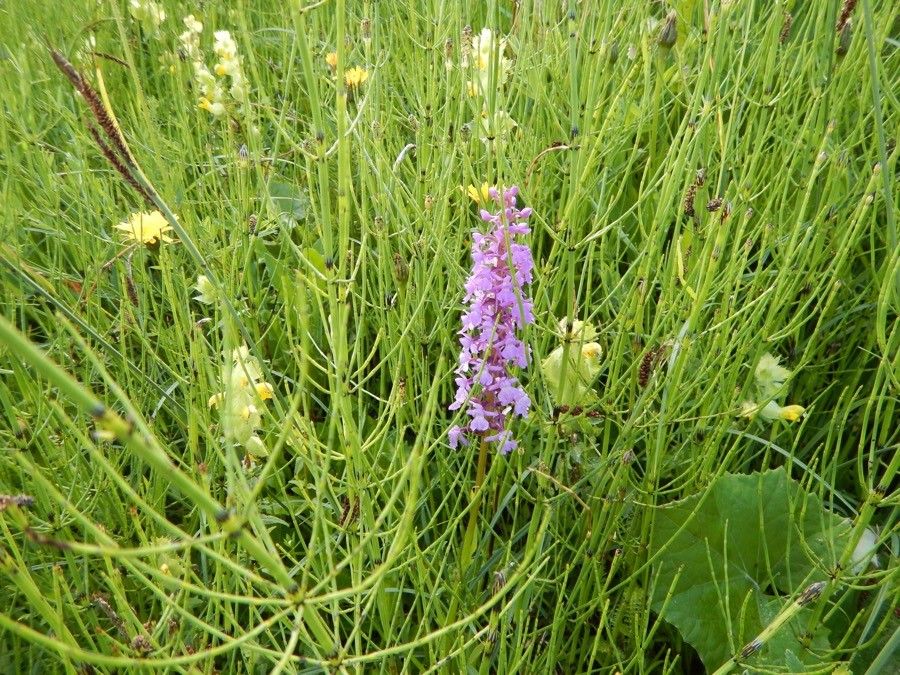
Unlocking the Secrets of Fragrant Orchid Propagation: A Guide to Multiplying Your Gymnadenia conopsea
The Gymnadenia conopsea, more charmingly known as the fragrant orchid, is a sight to behold. Imagine tall, slender stems adorned with densely packed, vibrant pink flowers releasing a sweet, intoxicating aroma. While admiring their beauty in the wild is a pleasure, wouldn’t it be even more rewarding to cultivate these enchanting orchids in your own garden?
Propagating Gymnadenia conopsea might seem like a daunting task reserved for seasoned horticulturists, but fear not! This guide will demystify the process and equip you with the knowledge to multiply your fragrant orchids.
Understanding the Challenges
Before diving in, it’s crucial to understand that Gymnadenia conopsea propagation requires patience and careful attention. Unlike some plants that readily sprout from cuttings, this orchid relies primarily on seed propagation, a method known for its complexities.
Method 1: The Art of Seed Propagation
- Seed Collection: Timing is key! Collect seed pods in late summer or early fall, just as they begin to turn brown. Look for slight splitting, a telltale sign of maturity.
- Symbiotic Partnership: Fragrant orchid seeds are incredibly tiny and lack the nutrients to germinate independently. To overcome this, they rely on a fascinating symbiotic relationship with specific mycorrhizal fungi found in the soil.
- Creating the Ideal Environment: You’ll need a well-draining, slightly acidic medium that mimics the orchid’s natural habitat. Specialized orchid potting mixes are available, or you can create your own using a blend of bark chips, perlite, and sphagnum moss. Sow the seeds sparsely on the surface, ensuring they maintain good contact with the medium.
- Patience is a Virtue: Germination can take anywhere from several months to a year, requiring a consistent environment of moisture, humidity, and indirect light. Don’t lose hope if you don’t see immediate results.
Method 2: Division: Propagating Mature Plants
If you already possess a thriving Gymnadenia conopsea, division offers an alternative propagation method.
- Timing is Everything: Divide in early spring before new growth emerges.
- Careful Extraction: Gently remove the plant from its pot and carefully separate the rhizomes (underground stems) using a sterilized knife. Ensure each division has at least 3-4 healthy shoots and a good root system.
- Repotting: Replant the divisions in separate pots using the same well-draining medium recommended for seed propagation. Water thoroughly and provide indirect light.
Nurturing Your Propagated Orchids
- Light: Gymnadenia conopsea thrives in dappled shade or areas with morning sun and afternoon shade.
- Water: Maintain consistently moist soil, allowing it to slightly dry out between waterings. Avoid overwatering, which can lead to root rot.
- Fertilizer: Feed your orchids regularly during the growing season with a diluted orchid fertilizer.
Propagating Gymnadenia conopsea is a rewarding journey that grants you a deeper appreciation for the wonders of the natural world. With patience, dedication, and this guide by your side, you’ll soon be enjoying the captivating fragrance and elegance of these orchids for years to come, proudly cultivated by your own hand.