
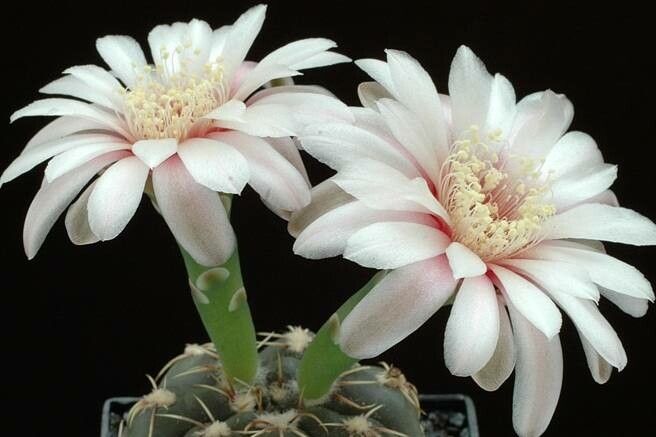
Unlocking the Secrets of Gymnocalycium amerhauseri Propagation: From Seed to Offsets
The Gymnocalycium amerhauseri, a cactus with striking geometric beauty and vibrant blooms, is a prized possession for many plant enthusiasts. While admiring its unique features is a joy, wouldn’t it be amazing to multiply your collection? Let’s delve into the fascinating world of Gymnocalycium amerhauseri propagation, exploring both seed and offset methods.
1. Sowing the Seeds of Success
Propagating Gymnocalycium amerhauseri from seed is an exciting journey, offering a rewarding experience for those who enjoy nurturing plants from their earliest stages. Here’s what you need to know:
- Timing is key: Spring and early summer offer the ideal warmth and light conditions for germination.
- Substrate matters: A well-draining seed-starting mix, preferably sterilized to prevent fungal growth, is crucial.
- Shallow is better: Sprinkle the seeds on the surface, lightly pressing them in, but avoid burying them deep.
- Humidity is your friend: Cover the pot with plastic wrap or use a propagator to maintain high humidity levels.
- Patience is a virtue: Germination can take anywhere from a few weeks to a few months, so don’t lose hope!
Nurturing the Seedlings:
Once your tiny Gymnocalycium amerhauseri seedlings emerge, proper care is crucial for their survival:
- Gradual light exposure: Start with indirect sunlight and slowly acclimate them to brighter conditions.
- Watering with care: Keep the soil consistently moist but not waterlogged. A spray bottle can be helpful in delivering gentle watering.
- Transplanting time: Once the seedlings are large enough to handle, carefully transplant them into individual pots with well-draining cactus soil.
2. The Art of Propagating from Offsets
Gymnocalycium amerhauseri often produces offsets, also known as pups, which are essentially smaller versions of the parent plant growing from its base. These offsets provide a quicker and often easier propagation method:
- Careful removal: When the offsets reach a decent size (about 1/3 the size of the parent), carefully detach them using a clean, sharp knife.
- Callusing is crucial: Allow the cut surface of both the offset and the parent plant to dry and callous over for a few days to prevent rot.
- Potting your offset: Place the offset on a bed of well-draining cactus soil, ensuring the calloused end is in contact with the soil.
- Root development: Water sparingly, and within a few weeks, your offset should start developing its own root system.
General Tips for Success:
Whether you choose seeds or offsets, these tips will increase your chances of propagation success:
- Provide ample light: Gymnocalycium amerhauseri thrives in bright, indirect light.
- Water wisely: Allow the soil to dry out completely between waterings, especially during the winter months.
- Fertilize sparingly: A diluted cactus fertilizer applied during the growing season can encourage healthy growth.
Propagating your own Gymnocalycium amerhauseri is an incredibly rewarding process. With a little patience and the right knowledge, you can expand your collection and enjoy the beauty of these unique cacti for years to come.