
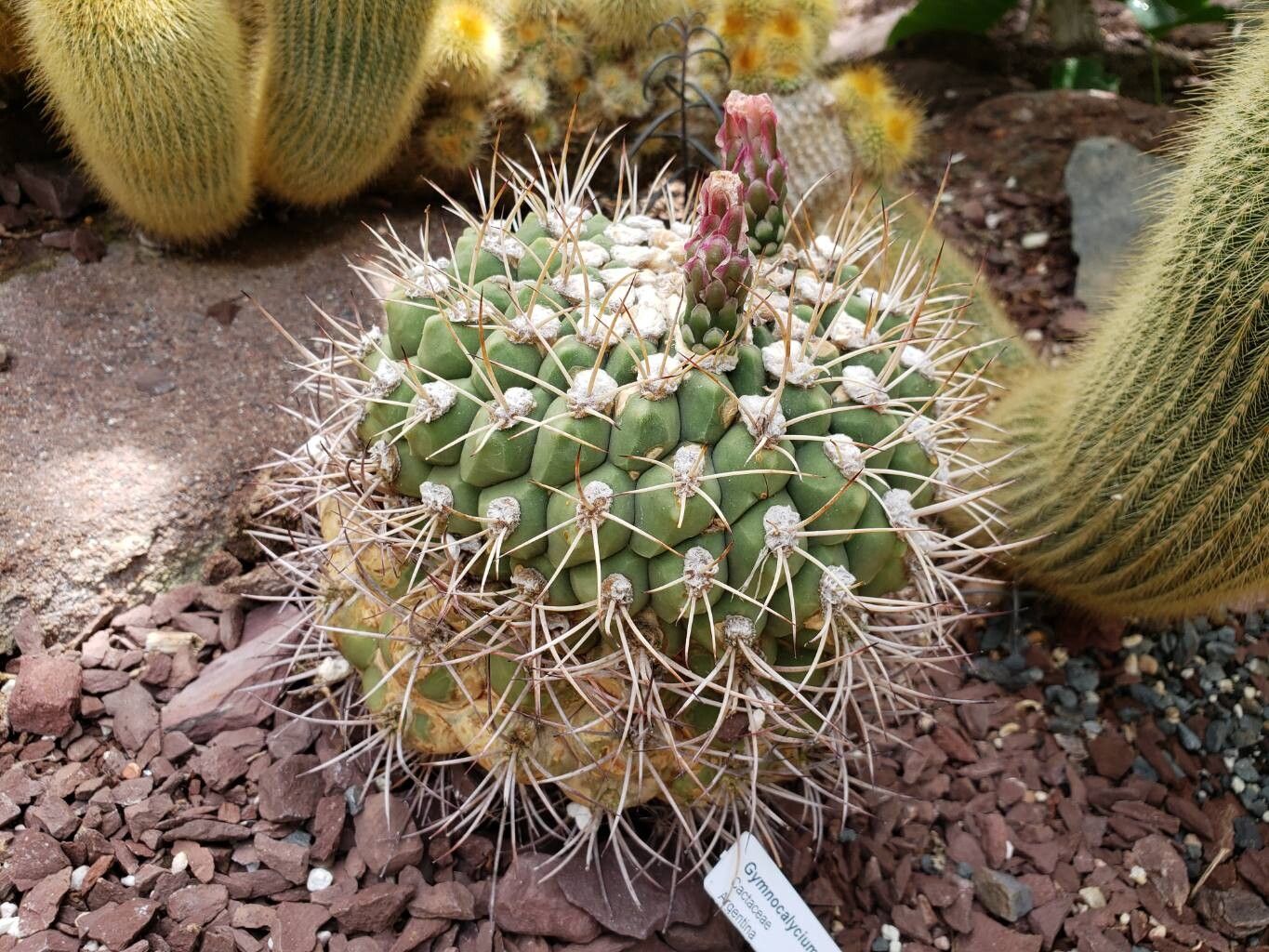
Propagating the Hedgehog Cactus: A Guide to Gymnocalycium erinaceum
Introduction:
Gymnocalycium erinaceum, commonly known as the Hedgehog Cactus, is a captivating succulent prized for its striking globular shape, dense covering of spines, and often attractive, large, and colorful flowers. Its relatively compact size and tolerance of slight neglect make it a popular choice amongst cacti enthusiasts, both beginners and experienced growers. However, propagating this species presents unique challenges, making successful propagation a rewarding accomplishment. The relative ease of seed germination is offset by the slower growth rate compared to other cacti. This article explores various propagation methods for Gymnocalycium erinaceum, analyzing their viability and offering practical guidance.
Seed Germination:
Seed germination is a viable and highly rewarding method for propagating Gymnocalycium erinaceum. It offers the advantage of genetic diversity, allowing for a wider range of plant characteristics within your collection. However, it requires patience.
Challenges: Seedlings are susceptible to damping-off (fungal disease) and require careful monitoring of moisture levels. Germination rates can vary depending on seed quality and environmental conditions.
Tips: Sow seeds on a well-draining cactus and succulent compost mix. Maintain high humidity using a humidity dome or plastic bag but ensure good ventilation to prevent fungal growth. A warm temperature (around 20-25°C) is ideal. No stratification is generally needed. Gentle watering from below, avoiding wetting the seeds directly, is recommended.
Rewards: The opportunity to grow numerous plants from a single batch of seeds, and the excitement of watching tiny seedlings develop into mature plants.
Cuttings:
Cuttings are generally not a reliable method for propagating Gymnocalycium erinaceum. This cactus does not readily produce offsets or side shoots suitable for propagation via stem cuttings. The success rate is extremely low, and the likelihood of rot is high due to the succulent nature of the stems.
Division:
Division is also not a practical method for propagating Gymnocalycium erinaceum. This cactus rarely produces offsets or divisions that can easily be separated and rooted. While occasionally a mature plant might produce a small pup, separating them successfully is difficult and likely to injure the mother plant.
Tissue Culture:
Tissue culture is a viable option for large-scale propagation of Gymnocalycium erinaceum, offering a high rate of success and the ability to generate numerous genetically identical plants. However, this method requires specialized equipment, a sterile environment, and a skilled technician. It is generally not a practical approach for home propagation.
Challenges: Sterile technique is crucial to prevent contamination. Specialized media and growth regulators are needed.
Tips: This method is best left to professional nurseries or laboratories.
Rewards: Large-scale, rapid propagation of genetically identical plants.
Conclusion:
Propagating Gymnocalycium erinaceum presents a unique set of challenges and rewards. While seed germination offers the most accessible route for the hobbyist, demanding patience and meticulous care, it ultimately provides the greatest satisfaction. Cuttings and division are largely impractical. Tissue culture, while effective, is beyond the scope of most home growers. The success derived from nurturing a tiny seedling into a mature Hedgehog Cactus, however, is incomparable. The challenges involved only serve to heighten the sense of accomplishment experienced when finally holding a thriving plant – a testament to the dedication and care you provided. To aspiring propagators, I say: embrace the learning curve, be patient, and enjoy the journey. The beauty of a successfully propagated Gymnocalycium erinaceum is a worthwhile reward.