
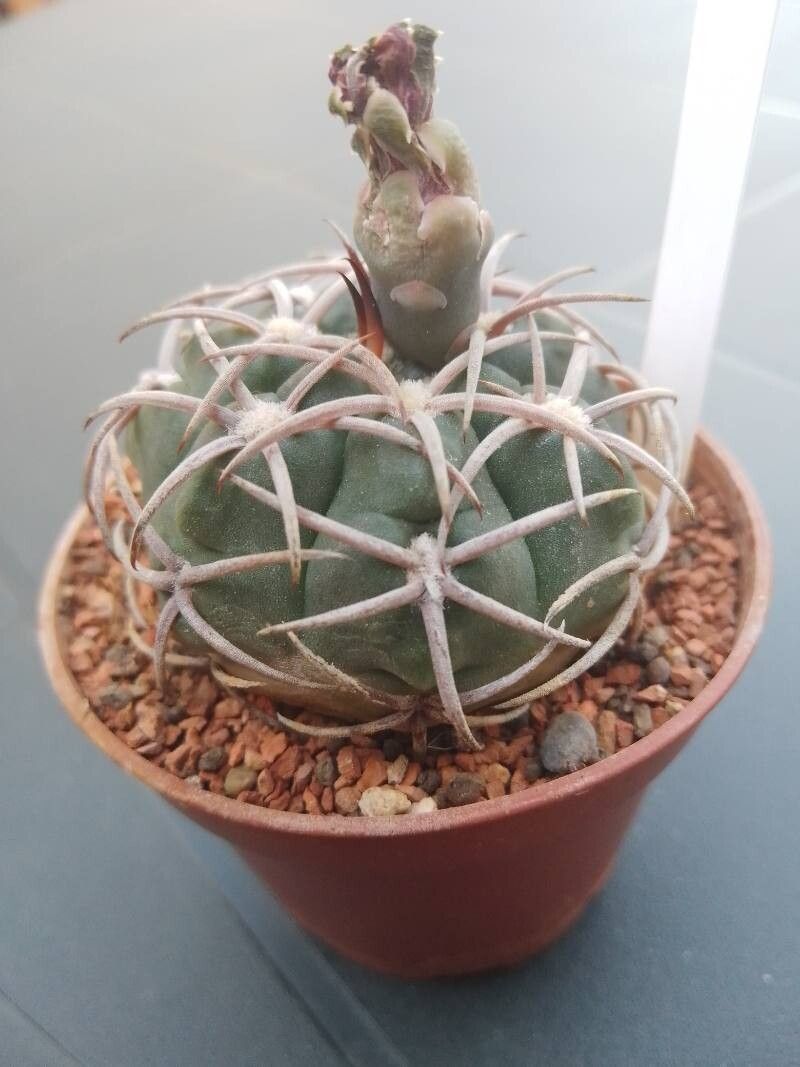
Gymnocalycium oenanthemum: A Guide to Propagation for Budding Cactus Collectors
The Gymnocalycium oenanthemum, with its striking white spines and alluring pink blooms, is a true gem among cacti enthusiasts. But what if you could share this beauty with others, or grow a whole collection from just one plant? The answer lies in propagation!
A Bit About Gymnocalycium oenanthemum
This native of Argentina is a slow-growing, compact cactus that typically reaches a height of 3-4 inches. Its captivating appeal comes from its deep green body covered in densely packed, pure white spines. In spring and summer, it bursts into life with stunning pink flowers, adding another dimension to its beauty.
Methods of Propagation
Gymnocalycium oenanthemum can be propagated through two primary methods:
- The Process: This involves carefully collecting seeds from your mature cactus after they have dried within the fruit. Sow the seeds in a shallow tray filled with well-draining cactus potting mix. Keep the soil consistently moist, ideally between 65-75°F, for best germination results.
- Timeframe: Germination typically takes several weeks, but be patient! The newly germinated seedlings will be tiny but will start growing quickly as they gain strength.
- Advantages: Seed propagation allows you to grow many new plants from one fruit and offers the potential for new variations and unique forms. It’s also a rewarding process for dedicated cactus lovers.
- Disadvantages: Seed propagation requires patience and a bit more attention as seedlings are fragile and vulnerable to pests and diseases.
- Offset Propagation:
- The Process: Gymnocalycium oenanthemum often produces offsets, or “pups,” which are miniature replicas of the parent plant growing at its base. Gently detach these offsets, leaving them undisturbed for a few days to dry and callous over. Then, plant them in a separate pot filled with cactus potting mix, ensuring the offsets are slightly above the soil level.
- Timeframe: Offsets typically root quickly within a week, but it can take a few weeks for them to fully establish.
- Advantages: This method is generally considered easier than seed propagation and produces plants that are identical to the parent.
- Disadvantages: Offset propagation may not be as readily available as seed propagation, as your cactus may not produce many offsets.
Tips For Success
- Light: Gymnocalycium oenanthemum thrives in bright, indirect light. Avoid direct sunlight, especially during the hottest part of the day.
- Water: Water deeply but infrequently, allowing the soil to dry out completely between waterings. Avoid overwatering, as it can lead to root rot.
- Soil: Use a well-draining cactus potting mix to ensure good aeration and drainage.
- Temperature: Maintain a comfortable temperature range of 65-85°F for optimal growth.
- Fertilizer: Feed your Gymnocalycium oenanthemum with a diluted cactus fertilizer during the growing season, from spring to fall.
Conclusion
Propagating your Gymnocalycium oenanthemum is a rewarding journey that can bring you closer to this fascinating plant. Whether you choose the fascinating process of seed propagation or opt for the more straightforward method of offset propagation, you can enjoy the joy of nurturing a new generation of these captivating cacti. Remember to be patient and provide the right conditions, and soon, your small offsets will be beautiful, spiny companions in your home.