
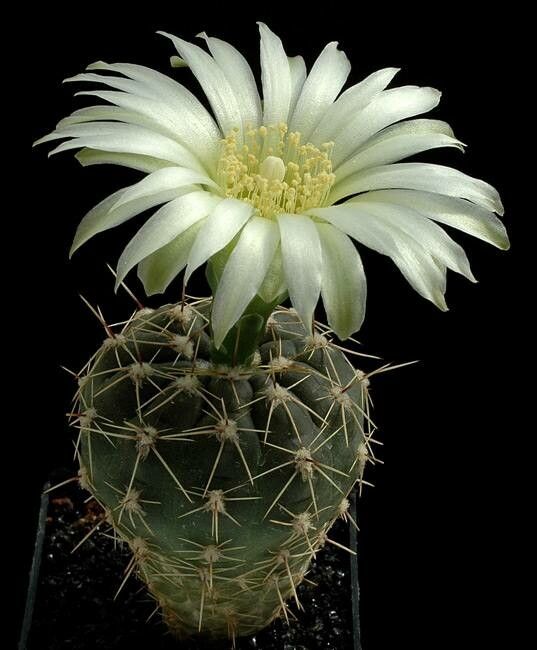
Propagating Gymnocalycium reductum: A Gardener’s Guide
Gymnocalycium reductum, also known as the “Button Cactus,” is a captivating small cactus species prized for its diminutive size, remarkably flattened body, and subtle, almost imperceptible spines. Its aesthetically pleasing, understated beauty has earned it a dedicated following among cactus enthusiasts. Its compact nature makes it an ideal plant for small spaces, terrariums, or even windowsill gardens. However, propagating this charming cactus presents unique challenges. This article explores various methods, outlining their viability and offering practical advice.
Seed Germination:
Seed germination is a viable method for propagating Gymnocalycium reductum, offering the reward of genetic diversity within your collection. However, it demands patience and precision.
Challenges: Seeds are tiny and require meticulous handling to prevent rot. Germination rates can be unpredictable, influenced by factors like seed freshness and environmental conditions.
Tips: Sow seeds in a well-draining cactus and succulent potting mix, ideally a sterile seed-starting mix. Maintain consistently moist (but not soggy) conditions using bottom watering. A warm temperature (around 70-75°F) and bright, indirect light are essential. No stratification is typically needed. Use fine-grained sowing media to enhance germination. Gentle misting is preferred over overhead watering to avoid washing away seeds.
Rewards: High genetic diversity amongst the seedlings, potential for large-scale propagation, experiencing the entire life cycle of the plant.
Cuttings:
Currently, there are no known reliable methods for propagation of Gymnocalycium reductum via cuttings. This is because Gymnocalycium reductum, being a relatively small and compact species, does not readily produce offsets or stems suitable for cutting propagation. Attempts to root detached sections typically result in failure due to the plant’s low tolerance for moisture and wound healing difficulties.
Division:
Division, the separation of naturally occurring offsets (pups) from the mother plant, is a viable, albeit limited, method for Gymnocalycium reductum propagation.
Challenges: Gymnocalycium reductum rarely produces offsets; therefore, this method is seldom successful. Even when offsets are present, separating them without damaging either the parent or the offset requires delicate handling.
Tips: If offsets appear, carefully separate them using a clean, sharp knife or scalpel. Allow the cut surfaces to dry completely (several days) before planting in well-draining cactus mix. Handle offsets with extreme care, as they are small and susceptible to damage.
Rewards: Relatively quick establishment of new plants, preserving the genetic characteristics of the mother plant.
Tissue Culture:
Tissue culture offers a potential solution to the propagation challenges of Gymnocalycium reductum.
Challenges: This method is technically demanding, requiring specialized equipment, sterile conditions, and aseptic technique (to prevent contaminations). It also demands familiarity with plant tissue-culture protocols.
Tips: A skilled propagator would need to establish suitable culture media and then work under sterile conditions to obtain plantlets from small pieces of tissue from a healthy parent plant.
Rewards: This method offers a high rate of success and the potential to produce a virtually unlimited number of identical plants.
Conclusion:
Propagating Gymnocalycium reductum presents diverse challenges depending on the chosen method. Seed germination offers the greatest potential for genetic diversity but demands patience and precise care. Division is viable only if the plant produces offsets, and cuttings are generally not successful. Tissue culture offers the highest propagation rates but necessitates specialized equipment and techniques.
Successfully cultivating this seemingly unassuming cactus demonstrates patience, a sharp eye for detail and careful attention to the plant’s needs; it is a reward in itself, making the challenging propagation process intrinsically satisfying. For aspiring propagators, remember that starting with seeds offers the best long-term prospects. With practice, attention to detail, and a bit of luck, you can add this miniature marvel and more importantly, the satisfaction of achievement, to your collection.