
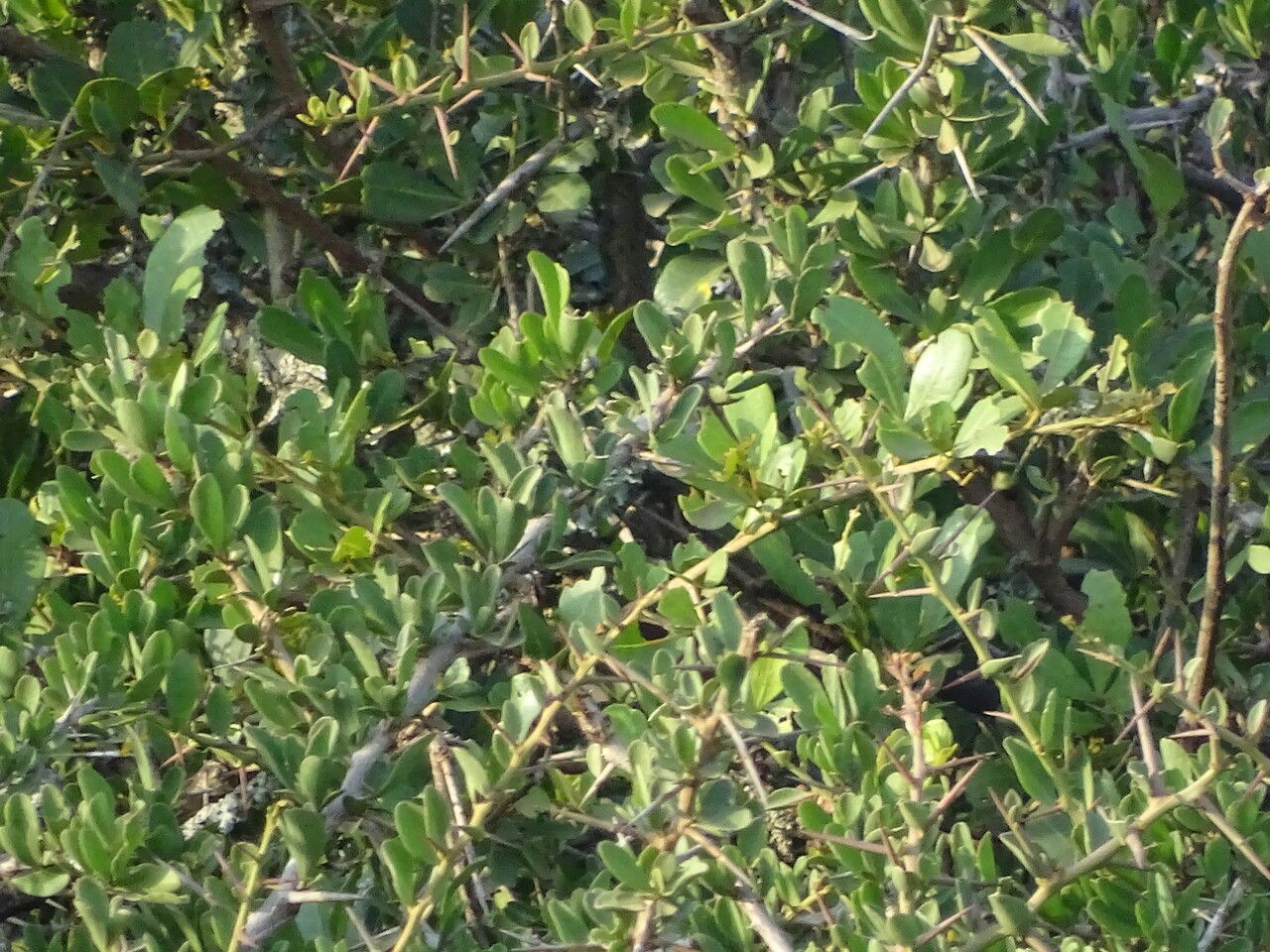
Taming the Thorny Treasure: Propagating Gymnosporia buxifolia
Gymnosporia buxifolia, also known as the common spike-thorn, is a South African native known for its hardiness and unique beauty. This evergreen shrub, with its dense foliage and intricate network of sharp thorns, provides wonderful texture and structure to gardens, attracting pollinators and offering a safe haven for nesting birds.
But let’s face it, those thorns, while impressive, can be a bit intimidating, especially when it comes to propagation. Fear not! Propagating Gymnosporia buxifolia, though requiring patience, is achievable and rewarding. Let’s explore the two common methods:
1. Seed Propagation: A Test of Time and Patience
- Harvesting: Collect ripe berries from established plants in the fall or winter. The berries should be dry and brown. Crack open the tough outer shell and extract the small, black seeds within.
- Pre-treatment: To overcome seed dormancy, soak the seeds in warm water for 24 hours. You can also lightly scarify the seeds by gently rubbing them with sandpaper, which helps water penetration.
- Sowing: Sow the seeds in a well-draining seed-raising mix, covering them lightly with soil.
- Environment: Gymnosporia buxifolia seeds prefer warmth for germination. A heated propagator or a warm, bright location out of direct sun is ideal.
- Patience: Germination can be erratic, taking anywhere from a few weeks to several months. Keep the soil consistently moist but not waterlogged.
2. Cutting Propagation: A Shortcut to Success
- Timing: Take hardwood cuttings in late fall or early winter when the plant is dormant.
- Selection: Choose healthy, mature stems. Aim for cuttings that are 4-6 inches long and have at least 3-4 leaf nodes.
- Preparation: Remove the leaves from the lower half of the cutting. Dip the cut end in rooting hormone (optional but beneficial).
- Planting: Insert the cuttings into a well-draining potting mix, ensuring at least one leaf node is buried.
- Environment: Keep the cuttings in a warm, bright location out of direct sunlight. A humidity dome or plastic bag placed over the pot can help retain moisture.
- Rooting: Cuttings generally root within 6-8 weeks. Gently tug on the cutting; resistance indicates successful rooting.
Important Considerations:
- Well-draining soil: Gymnosporia buxifolia detests wet feet. Use a well-draining potting mix or amend your garden soil with sand or grit.
- Sunlight: While seedlings tolerate some shade, cuttings and established plants thrive in full sun to partial shade.
- Water wisely: Water deeply but infrequently, allowing the soil to dry slightly between waterings.
Propagating Gymnosporia buxifolia is a journey of patience and observation. But the reward of successfully growing this resilient and intriguing plant makes the effort worthwhile. Whether you choose the slow and steady route of seeds or the faster pace of cuttings, the satisfaction of nurturing new life is a treasure in itself. So, put on your gardening gloves, embrace the challenge, and enjoy the journey of propagation!