
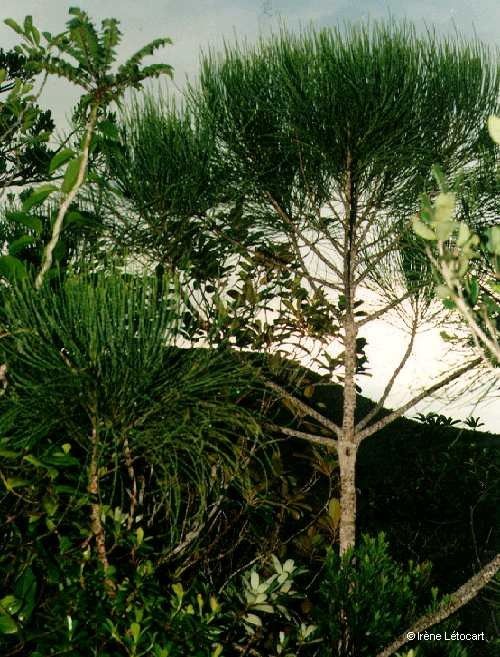
Unveiling the Mysteries of Gymnostoma intermedium Propagation: A Guide to Success
Gymnostoma intermedium, also known as the Sand Oak or Nambucca Pine, is a captivating tree native to Australia. With its unusual, almost prehistoric appearance and hardy nature, it’s becoming increasingly popular among plant enthusiasts. But propagating this fascinating species can seem shrouded in mystery.
Fear not, fellow plant lovers! This guide delves into the world of Gymnostoma intermedium propagation, empowering you to cultivate these ancient beauties with confidence.
Understanding the Challenge
Propagating Gymnostoma intermedium can be trickier than your average houseplant. Unlike many species that readily sprout from cuttings, this ancient lineage prefers to start its journey from seed. The key lies in sourcing viable seeds and understanding their unique requirements.
Sourcing Your Seeds:
- Natural Collection: If you’re lucky enough to live near mature Gymnostoma intermedium trees, you might find cones containing seeds scattered beneath them. Look for freshly fallen cones, as older ones are less likely to contain viable seeds.
- Reputable Suppliers: Opt for a reputable nursery or seed supplier specializing in Australian native plants. This ensures you’re receiving healthy seeds with a higher chance of germination.
Sowing the Seeds of Success:
- Preparation is Key: Soak the seeds in lukewarm water for 24 hours before sowing. This helps soften the tough outer shell, encouraging germination.
- Well-Draining Medium: Gymnostoma intermedium thrives in well-drained soil. Use a seed-raising mix specifically designed for natives or create your own by combining equal parts peat moss, perlite, and coarse sand.
- Shallow Planting: Sow the seeds on the surface of the moistened medium and lightly press them down. Avoid burying them deeply, as this can hinder germination.
- Warm and Humid Conditions: Place the seed tray in a warm, well-lit location, but out of direct sunlight. Maintain a consistently moist environment by covering the tray with a plastic dome or humidity dome.
- Patience is a Virtue: Germination can take anywhere from a few weeks to several months. Be patient and continue to provide consistent moisture and warmth.
Caring for Your Seedlings:
Once your seeds have sprouted, providing the right care is crucial for their survival:
- Gradual Sun Exposure: Slowly acclimatize your seedlings to increased sunlight. Begin with a few hours of dappled light each day, gradually increasing exposure over several weeks.
- Consistent Watering: Water regularly, ensuring the soil remains consistently moist but not waterlogged. Allow the top inch of soil to dry slightly between waterings.
- Nutrient Boost: After a couple of months, start feeding your seedlings with a diluted liquid fertilizer specifically formulated for native plants.
Transplanting to their Forever Home:
- Timing is Everything: Transplant your seedlings once they reach a height of 10-15 cm. Choose a location with well-drained soil and ample sunlight.
- Handling with Care: Be gentle when transplanting to avoid disturbing the delicate root system. Dig a hole slightly larger than the seedling’s root ball and carefully place it inside. Backfill the hole and water thoroughly.
Patience Yields Rewards:
Propagating Gymnostoma intermedium requires patience and dedication, but the rewards are well worth the effort. By following these steps, you can successfully cultivate these ancient beauties, adding a touch of prehistoric grandeur to your garden for years to come.