
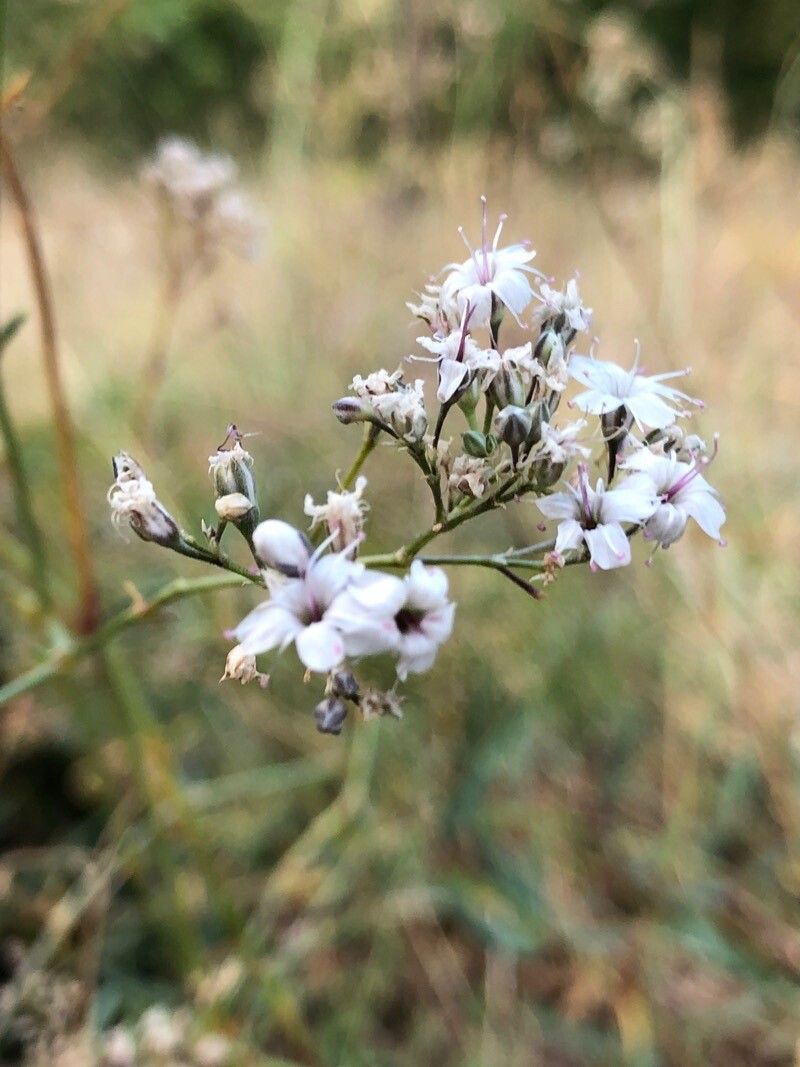
From Tiny Seeds to Fluffy Clouds: Propagating Gypsophila papillosa, the Baby’s Breath You Can Grow Yourself
Gypsophila papillosa, the beloved Baby’s Breath, is a captivating plant known for its delicate white blooms that create a dreamy, ethereal effect in any floral arrangement. But did you know that you can easily propagate this beauty yourself, turning a few seeds or cuttings into a flourishing cloud of blooms?
Why Propagate Gypsophila papillosa?
Propagating Gypsophila papillosa offers several advantages:
- Cost-effective: Buying seeds or cuttings is significantly cheaper than purchasing mature plants.
- Variety: You can choose from a wider selection of cultivars, including those not readily available commercially.
- Personal satisfaction: Witnessing the transformation from a tiny seed or cutting into a beautiful flowering plant is incredibly rewarding.
Methods of Propagation
There are two primary methods for propagating Gypsophila papillosa:
- Time: Sow seeds indoors in early spring or directly outside after the last frost.
- Procedure: Sow seeds in seed trays or pots filled with a well-draining seed starting mix. Cover seeds lightly with soil and keep them moist.
- Germination: Seeds generally germinate within 10-14 days in warm conditions (70-75°F). Thin seedlings to promote healthy growth.
- Transplanting: Once seedlings develop a few true leaves, transplant them to individual pots or directly into the garden.
2. Cutting Propagation
- Time: Take semi-hardwood cuttings in late spring or early summer.
- Procedure: Cut 4-6 inches long stems from healthy, non-flowering plants. Remove the lower leaves and dip the cut end in rooting hormone.
- Rooting: Place cuttings in a pot filled with a well-draining rooting mix. Keep the mix moist and cover the pot with a plastic dome or bag to create humidity.
- Rooting time: Cuttings typically root within 4-6 weeks. Once rooted, transplant them into individual pots or the garden.
Tips for Success
- Location: Gypsophila papillosa prefers a sunny location with well-draining soil.
- Watering: The plant is drought-tolerant but performs best with regular watering, especially during the establishment stage.
- Fertilizing: Use a balanced liquid fertilizer monthly during the growing season.
- Deadheading: Remove spent blooms to encourage continuous flowering and prevent self-seeding.
- Winter care: In colder climates, protect plants with a thick layer of mulch.
Enjoy Your Blooming Clouds!
Propagating Gypsophila papillosa is a relatively easy process, and even beginners can achieve success with a little patience and care. Following these steps, you’ll soon have your own beautiful stand of Baby’s Breath, adding a touch of ethereal charm to your garden and home. So roll up your sleeves, grab your gardening gloves, and prepare to enjoy the captivating beauty of your self-grown Baby’s Breath!