
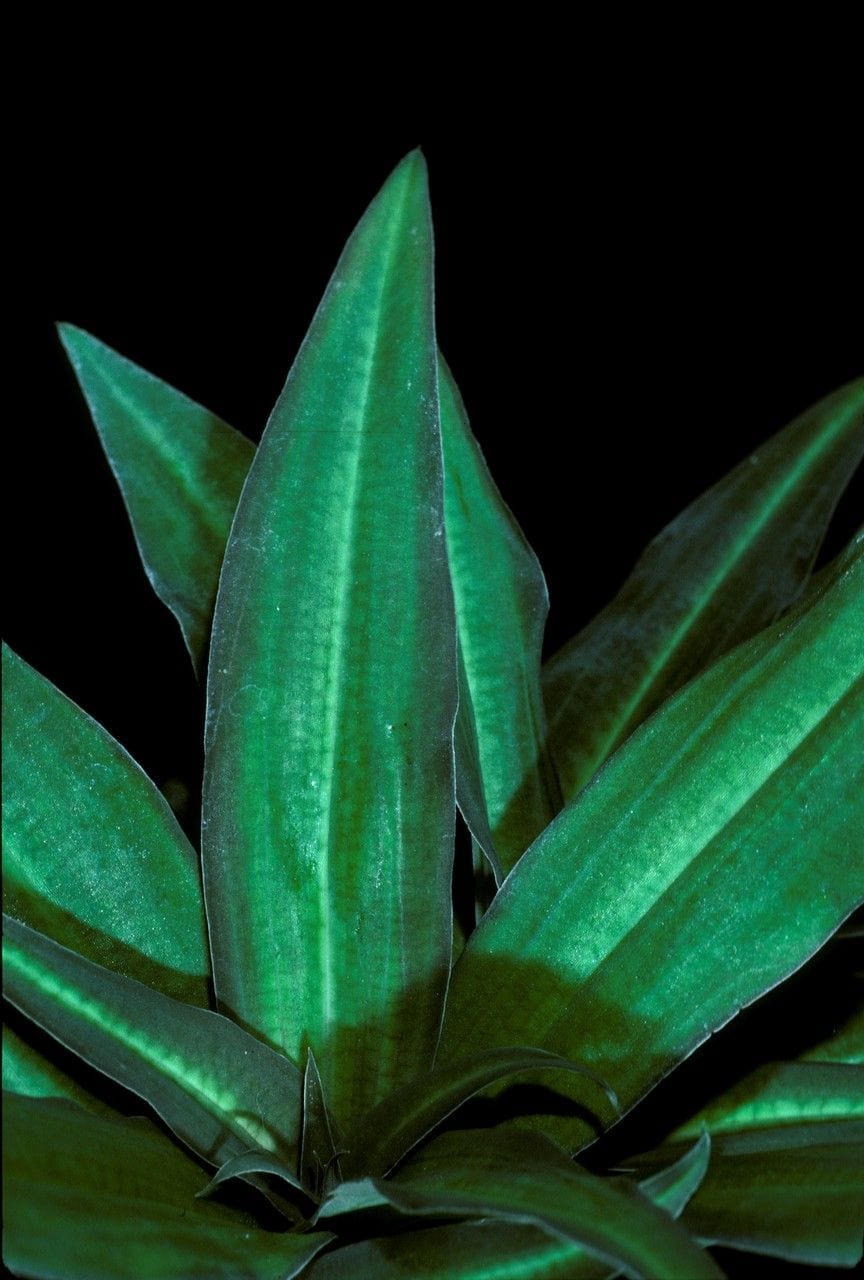
Unlocking the Secrets: Propagating the Stunning Habenaria rhodocheila
The Habenaria rhodocheila, with its vibrant coral-red blooms resembling miniature Chinese lanterns, is a prized possession for any orchid enthusiast. This terrestrial orchid, native to Southeast Asia, is not only visually striking but also presents a rewarding challenge for those interested in propagation. While not as straightforward as some other orchid varieties, success is achievable with the right knowledge and a dash of patience.
This guide will delve into the two primary methods of propagating Habenaria rhodocheila:
1. Division:
This method capitalizes on the plant’s natural tendency to form clumps over time. Here’s how it’s done:
- Timing is Key: The ideal time for division is during the plant’s active growing season, typically spring or early summer. Look for signs of new growth emerging.
- Gentle Separation: Carefully remove the plant from its pot, ensuring minimal disturbance to the roots. Using sterilized shears or your fingers, gently tease apart the plant into sections, ensuring each division has at least 3-4 healthy pseudobulbs attached.
- Potting the Divisions: Prepare individual pots with a well-draining orchid mix. Plant each division at the same depth it was originally growing, ensuring the pseudobulbs are slightly exposed.
- Patience is Paramount: Water sparingly until new growth emerges, indicating the divisions have successfully established themselves.
2. Seed Propagation (for the Adventurous):
Propagating Habenaria rhodocheila from seed is significantly more complex, requiring sterile conditions and specialized knowledge. Here’s a glimpse into the process:
- Seed Acquisition: Obtaining viable seeds is the first hurdle. You can try to pollinate your own flowers or source seeds from reputable suppliers.
- Sterile Conditions: Orchid seeds are incredibly small and lack their own food reserves. This necessitates sowing them in a sterile environment like a flask or jar on a specific nutrient medium.
- Time and Expertise: Seed germination can take weeks to months, requiring meticulous attention to humidity, temperature, and light. This method is best suited for experienced growers.
Factors Influencing Propagation Success:
- Healthy Mother Plant: Always propagate from a healthy, disease-free plant to increase the chance of success.
- Proper Growing Conditions: Mimicking the natural environment of Habenaria rhodocheila is crucial. Provide bright, indirect light, high humidity (around 70%), and warm temperatures (70-85°F during the day, slightly cooler at night).
- Appropriate Watering: Use a well-draining potting mix and water thoroughly when the medium is almost dry. Avoid overwatering, which can lead to root rot.
Conclusion:
Propagating Habenaria rhodocheila, while potentially challenging, is a rewarding experience for dedicated plant enthusiasts. Whether you choose the more beginner-friendly division method or embark on the intricate journey of seed propagation, understanding the plant’s needs is paramount. With patience, care, and the right knowledge, you can enjoy the satisfaction of multiplying your collection of these exquisite orchids.