
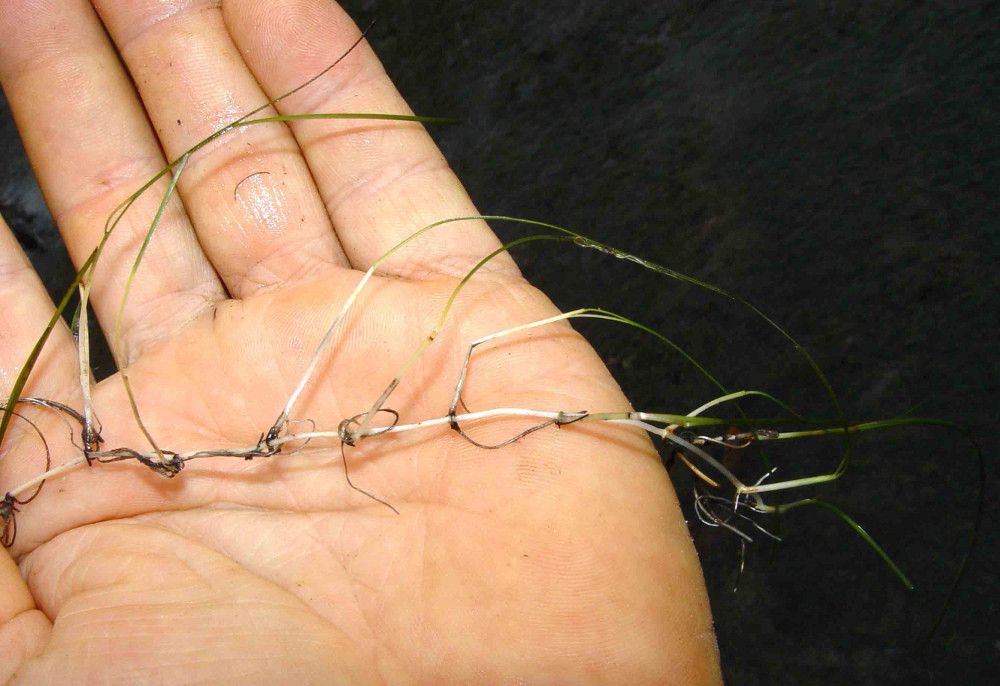
Seagrass Success: A Guide to Propagating Halodule Uninervis
Halodule uninervis, also known as shoal grass, is a true champion of the underwater world. This seagrass species is vital for healthy coastal ecosystems, providing food and shelter for countless marine creatures. But did you know that you can play a part in its success? Propagating Halodule uninervis is achievable even for beginner gardeners and hobbyists, and this guide will walk you through the process.
Why Propagate Halodule uninervis?
Before diving into the how-to, let’s explore the “why.” Halodule uninervis plays a crucial role in:
- Protecting our coastlines: Its dense meadows act as natural buffers, absorbing wave energy and preventing erosion.
- Supporting marine life: It serves as a nursery, feeding ground, and habitat for various fish, invertebrates, and even larger animals like sea turtles.
- Improving water quality: Seagrasses like Halodule uninervis filter the water column, absorbing excess nutrients and preventing harmful algal blooms.
Two Methods for Propagation
Halodule uninervis can be propagated through two primary methods:
-
- Collection: Mature Halodule uninervis plants produce seeds enclosed within a small, elongated seed pod. Look for these pods in late summer or early fall. Gently detach them from the plant, ensuring not to uproot it.
- Extraction: Carefully open the seed pods to reveal the small, brown seeds within. Rinse the seeds with clean seawater to remove any debris.
- Germination: Fill a shallow tray with a mixture of sand and marine-grade soil. Scatter the seeds over the surface and lightly press them down. Keep the soil consistently moist with seawater or a diluted seawater solution. Expect germination to occur within a few weeks.
- Planting: Once the seedlings have developed a few shoots, they can be carefully transplanted into your desired location. Choose a sheltered area with sandy sediment and good water flow.
-
Fragmentation:
- Collection: This method involves taking cuttings from healthy Halodule uninervis plants. Use a sharp knife or scissors to cut sections of rhizome, ensuring each section has at least two nodes (small bumps on the rhizome).
- Preparation: Remove any leaves from the lower portion of the cutting. This encourages root development.
- Planting: Secure the cuttings to the substrate using U-shaped garden staples or by gently pushing them into the sediment, ensuring that at least one node is buried.
- Growth: Over time, new shoots and roots will develop from the nodes, establishing a new plant.
Essential Tips for Success:
- Water Quality: Maintain good water quality with appropriate salinity, temperature, and light levels. Research the specific requirements of Halodule uninervis in your region.
- Patience is Key: Seagrass propagation takes time. Don’t be discouraged if you don’t see immediate results. Be patient, monitor their progress, and make adjustments as needed.
- Seek Expert Advice: If you have doubts or questions, consult with local marine biologists or experienced aquarists. They can provide valuable insights and guidance specific to your area.
Propagating Halodule uninervis is a rewarding experience that contributes to the health of our oceans. By understanding the methods and taking necessary precautions, you can successfully grow this incredible seagrass, playing your part in preserving marine ecosystems for generations to come.