
Propagating the Showy Hardenbergia comptoniana: A Gardener’s Guide
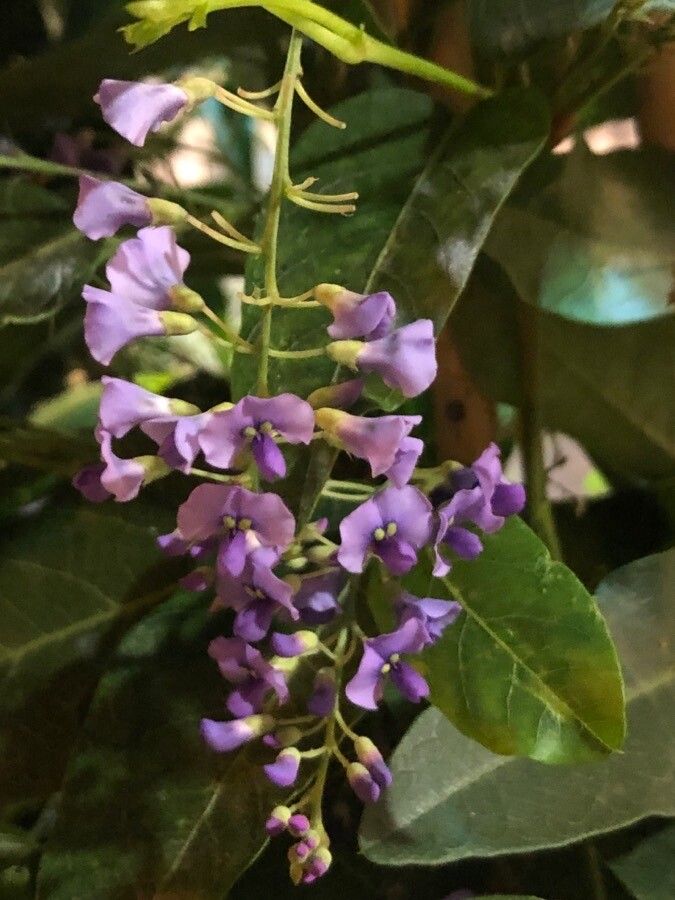
Hardenbergia comptoniana, commonly known as the Coastal Hardenbergia or Small-Leaf Hardenbergia, is a captivating climbing shrub prized for its profusion of vibrant purple-blue flowers. Native to coastal regions of Western Australia, its delicate foliage and prolific blooming make it a sought-after addition to gardens, particularly those seeking hardy, drought-tolerant climbers. Its relative ease of propagation by certain methods, however, belies some challenges inherent in achieving successful establishment. This article explores the various propagation techniques for Hardenbergia comptoniana, detailing their successes, challenges, and rewards.
Seed Germination:
Currently, there are no known reliable methods for seed germination propagation of Hardenbergia comptoniana. While seeds may be produced, their germination rate is exceptionally low, and attempts to overcome dormancy through stratification or other pre-treatment methods have yielded inconsistent results. Therefore, seed propagation is not a practical method for this species.
Cuttings:
Cuttings offer a reliable method for propagating Hardenbergia comptoniana. The challenges typically involve achieving successful rooting.
- Challenges: Hardenbergia comptoniana cuttings can be slow to root. The use of rooting hormone is highly recommended to improve success rates. Maintaining consistent moisture levels without causing rot is crucial.
- Practical Tips: Take semi-hardwood cuttings in late spring or early summer from healthy, non-flowering stems. Use a sharp knife or secateurs to make clean cuts, removing lower leaves to prevent rotting. Dip the cut ends in a rooting hormone powder and plant them in a well-draining propagation mix such as a mix of perlite and peat moss. Maintain high humidity by covering the cuttings with a plastic bag or humidity dome, ensuring adequate ventilation to prevent fungal growth. Mist regularly to maintain moisture.
- Rewards: Cuttings provide a relatively quick method of producing genetically identical plants, preserving desirable traits from the parent plant. This is particularly useful for propagating superior cultivars.
Division:
Division is a viable option for propagating established Hardenbergia comptoniana plants.
- Challenges: This method is only suitable for mature, well-established plants with substantial root systems. Improper division can damage the plant, leading to poor survival rates.
- Practical Tips: The best time for division is during the dormant season (late autumn or winter). Carefully dig up the plant, gently separating the root ball into several smaller sections, ensuring each section has sufficient roots and stems. Replant the divisions ensuring ample space, and water thoroughly.
- Rewards: Division is a relatively easy and quick method, resulting in a rapid increase in the number of plants.
Tissue Culture:
Tissue culture offers the potential for large-scale propagation of Hardenbergia comptoniana, although it requires specialized equipment and expertise.
- Challenges: This method involves specialized techniques and a sterile environment, requiring significant investment in equipment and training. Contamination can easily ruin the entire culture.
- Practical Tips: Tissue culture protocols for Hardenbergia comptoniana are not widely available and would require significant research and development. A laboratory setting with appropriate sterile conditions, media, and growth hormones is required.
- Rewards: Tissue culture provides the opportunity for rapid large-scale clonal propagation, disease-free stock, and genetic manipulation for improved cultivars.
Conclusion:
Propagating Hardenbergia comptoniana presents varying degrees of challenge across different methods. While seed germination is unreliable, cuttings provide a consistently successful approach with the right techniques, offering a good balance between ease and efficiency. Division is beneficial for established plants, while tissue culture represents a specialized high-output technique but requires significant investment. The rewards of successfully cultivating this beautiful climber, however, make the effort worthwhile. The vibrant display of purple-blue cascading flowers, adorning a garden or landscape is a testament to the patience and skill invested. For aspiring propagators, we encourage persistence and experimentation – the joy of watching a small cutting transform into a flowering shrub is a truly rewarding experience.