
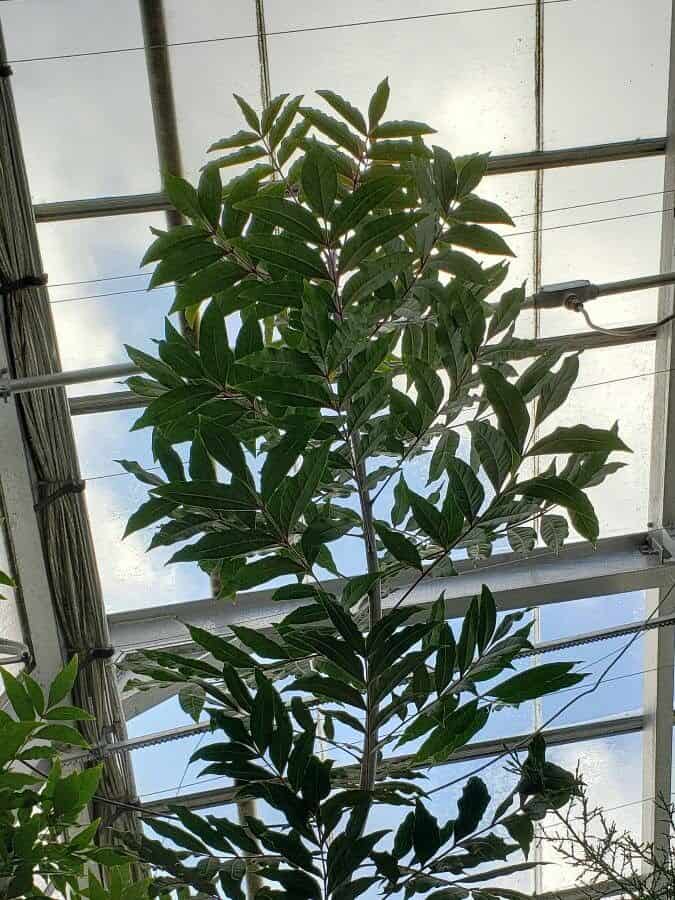
Multiply Your Green Giants: Propagating the Wild Plum (Harpephyllum caffrum)
The Wild Plum, or Harpephyllum caffrum, is a magnificent evergreen tree native to Southern Africa. Known for its lush, vibrant green foliage and rapid growth, it’s a striking addition to gardens, parks, and even large indoor spaces. While readily available for purchase, wouldn’t it be satisfying to grow your own Wild Plum from scratch? Luckily, propagating Harpephyllum caffrum is relatively straightforward, even for beginners. Let’s explore two successful methods:
Method 1: Growing from Seed
Harvesting the Seeds: The Wild Plum produces small, fleshy fruits that resemble plums (hence the name). Collect ripe, fallen fruit, removing the pulp and cleaning the seeds thoroughly. Ensure the seeds are dry before sowing.
Sowing the Seeds: Sow the seeds in a well-draining seed-starting mix. Plant them about 1-2cm deep and keep the soil consistently moist but not waterlogged.
Providing the Right Environment: Place the seed tray in a warm, brightly lit location, out of direct sunlight. A heated propagator can be beneficial for maintaining optimal temperatures.
- Patience is Key: Germination can be slow, taking anywhere from a few weeks to several months. Once seedlings emerge and have developed a few sets of true leaves, they can be carefully transplanted into individual pots.
Method 2: Propagation from Cuttings
Taking the Cutting: Select a healthy, semi-hardwood cutting from the current season’s growth. The ideal cutting should be about 10-15cm long and taken from a non-flowering branch.
Preparing the Cutting: Remove the leaves from the lower third of the cutting, leaving 2-3 leaves at the top. To enhance rooting success, dip the cut end in rooting hormone (optional).
Planting the Cutting: Plant the prepared cutting in a well-draining potting mix specific for cuttings. Ensure the bottom node, where the leaves were removed, is buried in the soil.
Creating a Humid Environment: To promote root development, cover the cutting with a clear plastic bag or use a humidity dome. This will help retain moisture and create a mini greenhouse effect.
- Monitoring Progress: Keep the soil consistently moist and place the cutting in a warm, brightly lit location, out of direct sunlight. Roots should develop within 4-8 weeks. Once the cutting shows signs of new growth, you can gradually acclimate it to normal humidity.
General Care Tips for Your New Wild Plum
• Soil: Harpephyllum caffrum prefers well-draining soil.
• Light: Provide your Wild Plum with plenty of bright, indirect light, especially when young.
• Watering: Water regularly, allowing the soil to dry slightly between waterings. Avoid overwatering, which can lead to root rot.
• Fertilizing: Feed your plant with a balanced fertilizer during the growing season (spring and summer).
• Pruning: Prune regularly to maintain its shape and size, especially if you’re growing it indoors.
Propagating your own Harpephyllum caffrum is a rewarding experience that allows you to connect with this remarkable tree on a deeper level. Whether you choose seed or cuttings, following these simple steps will put you on the path to growing your very own green giant.