
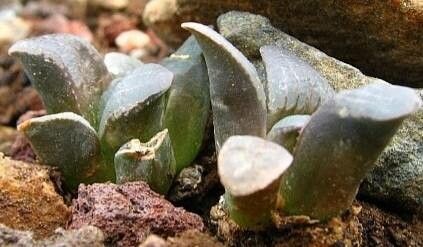
Tiny Treasures: Propagating Your Haworthia pygmaea
Haworthia pygmaea, with its adorable, miniature rosettes and intricate patterns, is a beloved succulent among plant enthusiasts. But did you know that this charming little species is incredibly easy to propagate?
This guide will walk you through the various methods of propagating your Haworthia pygmaea, ensuring you can enjoy more of these tiny treasures in your home.
1. Leaf Cuttings: The Easy Way
Leaf cuttings are the most common and straightforward method for propagating Haworthia pygmaea. Here’s how:
- Choose a Healthy Leaf: Select a plump, mature, and undamaged leaf from your Haworthia pygmaea.
- Make the Cut: Use a sharp, clean blade to cut the leaf cleanly at the base, near the rosette.
- Let it Dry: Allow the cut leaf to callous over for a day or two in a dry, well-ventilated area. This helps prevent rot.
- Potting Up: Place the calloused leaf on the surface of well-drained soil, keeping it slightly elevated. You can use a shallow pot with a well-draining mix specifically designed for cacti and succulents.
- Patience is Key: New growth may take a few weeks to appear. Keep the soil slightly moist but not soggy.
2. Offset Propagation: Sharing the Joy
Haworthia pygmaea naturally produces offsets, or baby plants, that grow at the base of the parent plant. This is a wonderful way to effortlessly multiply your collection:
- Gentle Separation: When the offsets are big enough (around the size of a dime), carefully separate them from the main plant using a sharp, clean knife.
- Callousing: Let the cut surface of both the offset and the parent plant dry out for a few days to prevent rot.
- Potting Up: Plant the offsets in their own small pots with succulent soil. Water them lightly after planting to encourage root development.
3. Seed Propagation: A New Generation
Seed propagation, while a little more time-consuming, offers the excitement of growing a new generation of Haworthia pygmaea:
- Collecting Seeds: Allow your Haworthia pygmaea to flower and produce seeds. You can also purchase seeds from reputable suppliers.
- Sowing the Seeds: Sprinkle the tiny seeds on the surface of a sterile seed-starting mix. Lightly press the seeds into the soil. Avoid overwatering.
- Germination: Place the seed tray in a bright but indirect location. Germination takes a few weeks to a few months.
- Patience and Care: Once the seedlings have developed a few sets of leaves, gently repot them into individual small pots with a well-draining succulent mix.
Tips for Success:
- Use a Well-Draining Soil: Avoid overwatering. Ensure the soil mix has good drainage to prevent root rot.
- Bright, Indirect Light: Haworthia pygmaea thrive in bright indirect light. Avoid direct sunlight which can scorch the delicate leaves.
- Water Sparingly: Allow the soil to dry out completely between waterings. Overwatering is the most common cause of problems for this succulent.
- Proper Temperature: Optimal temperatures for Haworthia pygmaea range from 65-75 degrees Fahrenheit (18-24 degrees Celsius).
Propagating your Haworthia pygmaea is a rewarding and relatively simple process. With a little patience and care, you can enjoy a flourishing collection of these captivating miniature succulents, adding a touch of charm and beauty to your home.