
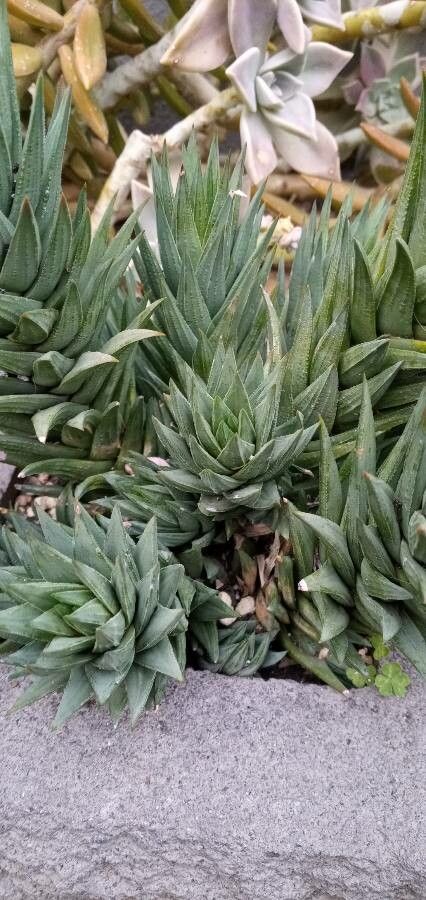
Propagating Haworthiopsis glauca: Unveiling the Secrets of the Glaucous Haworthia
Haworthiopsis glauca, commonly known as the Glaucous Haworthia, is a captivating succulent prized for its striking, glaucous-blue leaves arranged in tightly clustered rosettes. Its popularity among succulent enthusiasts stems from its relatively easy cultivation and the mesmerizing, almost ethereal quality of its foliage. While generally hardy, propagating Haworthiopsis glauca presents unique challenges and rewards compared to other succulents. The plant’s propensity for slow growth influences propagation methods, making some techniques more successful than others.
Seed Germination:
Currently, there are no known reliable methods for seed germination propagation of Haworthiopsis glauca. While the plant does produce seeds, germination rates are exceptionally low, and seedlings are notoriously slow to develop, often failing to thrive. The challenges stem from the plant’s delicate seed structure and its specific requirements for germination, which remain largely uncharted. Therefore, seed propagation is not a practical method for most hobbyists.
Cuttings:
Cuttings represent a more viable option for propagating Haworthiopsis glauca, although success depends on meticulous technique.
Challenges: The slow growth rate of the plant means cuttings take a considerable amount of time to root and establish. Improper handling can lead to rot, especially if cuttings are not allowed to callus before planting.
Tips: Use a sharp, clean knife or scalpel to take leaf or stem cuttings. Allow the cuttings to dry for several days to form a callus over the cut surface, reducing the risk of rot. Plant in a well-draining succulent potting mix, ensuring minimal contact between the cutting and the soil. Avoid overwatering, allowing the soil to dry completely between waterings. High humidity and bottom heat may slightly improve results.
Rewards: Cuttings produce genetically identical offspring, preserving desirable traits. This method is relatively straightforward compared to division and particularly preferable over the unsuccessful seed germination.
Division:
Division offers the most reliable method for propagating Haworthiopsis glauca.
Challenges: Overly aggressive division can damage the parent plant and the offsets. Careful separation of the offsets is crucial to avoid stressing the plant. The slow growth rate means that opportunities for division are infrequent – the plant must have produced significant offsets before division is possible.
Tips: Divide the plant only when it has formed sufficiently large, well-rooted offsets. Use a clean, sharp knife or trowel, carefully separating the offsets from the parent plant. Ensure each offset has its own root system. Plant the separated offsets in well-draining succulent soil, and avoid overwatering during the establishment phase.
Rewards: Division is relatively quick and high-yield compared to other methods and produces viable plants fairly rapidly. It’s the most commonly practiced propagation method for this species.
Tissue Culture:
Tissue culture might be a viable, though not readily accessible, method for large-scale propagation.
Challenges: Tissue culture requires specialized equipment, sterile conditions, and a thorough understanding of plant tissue culture techniques. It’s not a feasible option for the average home grower.
Tips: This method requires a controlled environment and sterile procedures performed in a lab setting. Utilizing a reputable plant tissue culture lab is essential.
Rewards: Tissue culture allows for rapid multiplication of genetically identical plants, making it ideal for mass production. This method offers significant potential for conservation and commercial propagation.
Conclusion:
Propagating Haworthiopsis glauca presents unique hurdles, primarily due to its slow growth. While seed germination offers the potential for genetic diversity, it’s currently impractical. Cuttings are a viable option requiring patience and attention to detail. Division is the most reliably successful method for home cultivators, offering a balance between ease and yield, provided the plant has formed sufficient offsets. Tissue culture remains a specialized method, offering high potential but typically out of reach for home enthusiasts. The satisfaction of successfully propagating Haworthiopsis glauca lies not only in the acquisition of new plants but also in overcoming the challenges inherent in cultivating this captivating succulent. Patience, meticulous care, and a keen eye for detail are the keys to success. Don’t be discouraged by initial setbacks; the unique rewards of cultivating this slow-growing species are well worth the effort.