
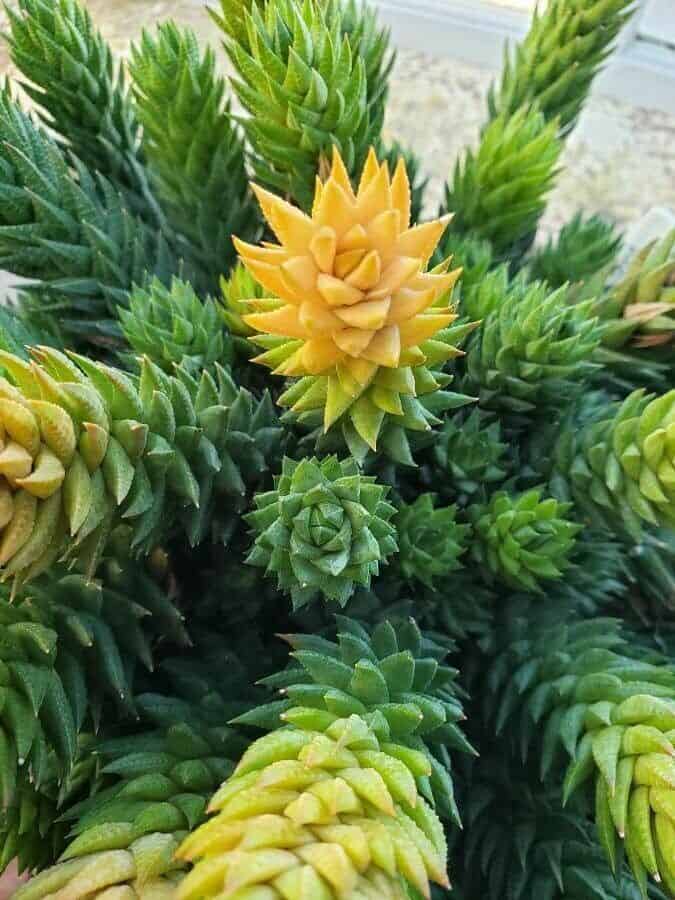
Multiplying Your Treasures: A Guide to Propagating Haworthiopsis glauca
Haworthiopsis glauca, with its captivating rosettes of fleshy, blue-green leaves, is a sight to behold. But did you know this succulent superstar is surprisingly easy to propagate? Whether you’re a seasoned plant parent or just starting out, multiplying your Haworthiopsis glauca collection is an enjoyable and rewarding experience.
This guide dives into the two most effective methods:
1. Leaf Cuttings:
This method, harnessing the remarkable regenerative powers of succulents, is incredibly effective for Haworthiopsis glauca.
Here’s how to do it:
- Select healthy leaves: Choose plump, firm leaves from a mature plant. Avoid young, tender leaves at the center of the rosette.
- Twist and pull: Gently twist the leaf from the stem, ensuring you get a clean break. It’s essential to have a complete leaf base, as this is where new roots will emerge.
- Let them dry: Allow the leaves to callus over for a few days to a week. This prevents rot when you introduce them to the planting medium.
- Prepare the substrate: Use a well-draining mix specifically formulated for succulents or cacti. A simple recipe is equal parts potting soil, perlite, and coarse sand.
- Plant the leaves: Lay the leaves flat on the surface of the soil, pressing the callused end gently into the mix. Don’t bury the whole leaf.
- Mist and patience: Lightly mist the soil every few days, keeping it just damp. Avoid overwatering, as this can lead to rot. Place the pot in a bright location, out of direct sunlight.
- New growth: After a few weeks, you should start seeing tiny rosettes emerging from the base of the leaves. Once these baby plants have established their own roots, you can carefully separate them and pot them individually.
2. Offsets (Pups):
Haworthiopsis glauca often produces offsets, or "pups," around the base of the mother plant. These mini-mes are already equipped with their own root systems, making propagation a breeze.
Here’s the process:
- Identify viable offsets: Look for pups that are at least an inch in diameter and have developed their own roots.
- Gently separate: Using a clean, sharp knife or shears, carefully separate the offset from the mother plant, ensuring you get as much of its root system as possible.
- Pot them up: Plant the offset in a well-draining succulent mix, burying the roots just below the soil surface.
- Water and care: Water sparingly, allowing the soil to dry out completely between waterings. Place in a bright location, but avoid intense, direct sunlight.
Tips for Success:
- Patience is key: Propagation takes time, so don’t be discouraged if you don’t see results immediately.
- Provide proper light: While Haworthiopsis glauca thrives in bright, indirect light, avoid prolonged exposure to direct sunlight, especially during the hottest hours of the day.
- Water wisely: Overwatering is the most common reason for succulent failure. Let the soil dry out completely between waterings, and avoid getting the leaves wet.
- Fertilize occasionally: During the growing season (spring and summer), fertilize every other month with a diluted, balanced fertilizer.
Propagating your Haworthiopsis glauca is a journey of patience and observation. Watching new life emerge from a single leaf or a tiny offset brings a unique sense of satisfaction. So, grab your gardening gloves, and get ready to multiply your succulent collection with these simple yet effective methods!