
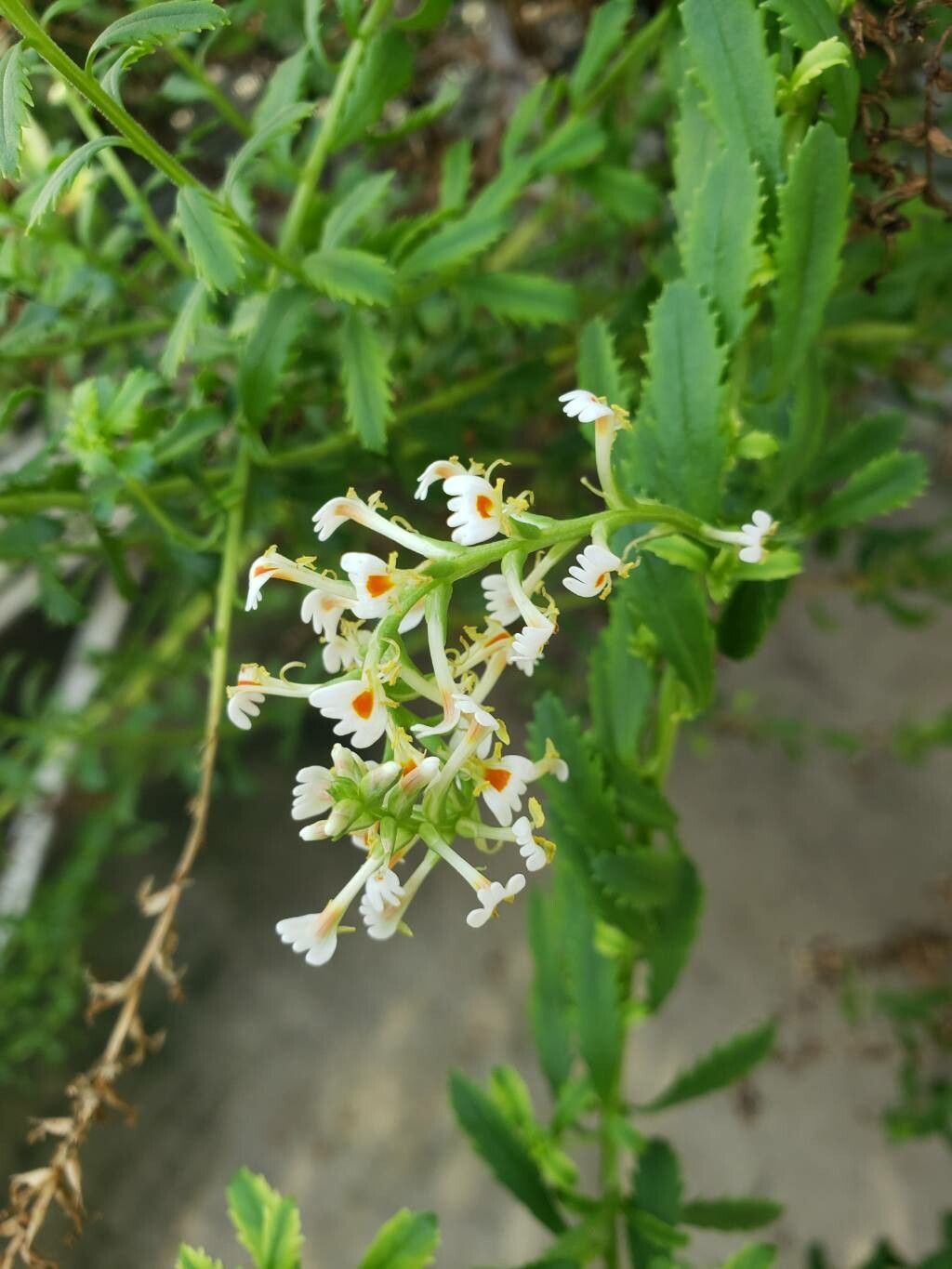
Unlocking the Secrets of Hebenstretia Dura: A Propagation Guide for Beginners
Hebenstretia dura, more affectionately known as the “sand rosemary” or “tough hebenstretia,” is a South African native prized for its resilience and delightful honey-scented blooms. This low-growing, evergreen shrub thrives in sunny spots and sandy soils, offering an abundance of white to creamy-yellow flowers that attract a myriad of pollinators.
While fairly low-maintenance, successfully cultivating Hebenstretia dura does require understanding its preferences. This guide dives deep into the world of Hebenstretia dura propagation, equipping you with the knowledge to successfully grow this hardy beauty.
Two Roads to Success: Seeds vs. Cuttings
There are two primary methods for propagating Hebenstretia dura: seeds and cuttings. Each method offers its own set of advantages and challenges:
1. Seed Propagation:
- Pros: An economical option, allowing you to grow multiple plants simultaneously.
- Cons: Requires patience as seeds can be slow to germinate.
How to Propagate from Seed:
- Timing is Key: Start seeds indoors six to eight weeks before the last expected frost in your region.
- Sowing the Seeds: Use a well-draining seed starting mix and lightly press the seeds onto the surface, covering them minimally.
- Light and Warmth: Place the seed tray in a bright location, avoiding direct sunlight. Maintain a temperature of around 70°F (21°C).
- Patience, Please: Germination can take anywhere from 2-4 weeks. Ensure the soil remains consistently moist but not waterlogged.
- Transplant Time: Once the seedlings develop a couple of true leaves, transplant them into individual pots or your garden after the last frost.
2. Cutting Propagation:
- Pros: Allows you to replicate the characteristics of the parent plant and often yields quicker results than seed propagation.
- Cons: Requires access to a healthy Hebenstretia dura plant for cuttings.
How to Propagate from Cuttings:
- Take the Cut: In spring or early summer, select a healthy, non-flowering stem from the current year’s growth. Cut a 3-4 inch section just below a leaf node.
- Prep the Cutting: Remove the lower leaves, leaving only a couple at the top. Dip the cut end in rooting hormone (optional but beneficial).
- Planting the Cutting: Insert the cutting into a pot filled with a well-draining potting mix.
- Creating a Humid Environment: Cover the pot with a plastic bag or use a humidity dome to retain moisture.
- Rooting Time: It takes around 4-6 weeks for cuttings to develop roots. You can test by gently tugging on the cutting – resistance indicates root development.
- Transplanting: Once rooted, transfer the cutting to its final location, either a larger pot or your garden bed.
Caring for Your New Hebenstretia Dura
No matter your chosen propagation method, caring for your newly established Hebenstretia dura remains the same. These plants crave sunlight, thriving in at least six hours of direct sunlight daily. Well-draining soil is crucial to prevent root rot. Water deeply but infrequently, allowing the soil to dry slightly between waterings.
Final Thoughts
Propagating Hebenstretia dura might seem intimidating at first, but with a little patience and care, you can successfully grow this beautiful and resilient plant. Whether you opt for the cost-effectiveness of seeds or the faster results of cuttings, you’ll soon be rewarded with the charm and sweet fragrance of Hebenstretia dura gracing your garden.