
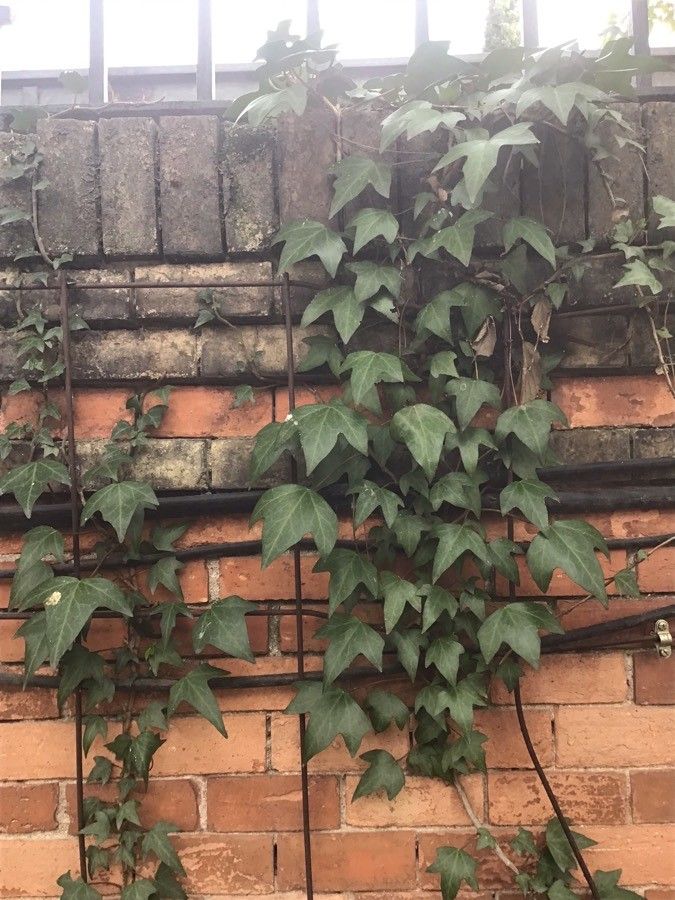
Propagating Hedera iberica: Unveiling the Secrets of Iberian Ivy
Introduction:
Hedera iberica, commonly known as Iberian ivy, is a captivating evergreen climber prized for its smaller, more delicate leaves compared to its larger cousin, English ivy (Hedera helix). Its vibrant, often variegated foliage and its ability to thrive in various conditions have made it a popular choice amongst gardeners seeking a robust yet elegant groundcover or climbing plant. While relatively easy to maintain once established, propagating Iberian ivy can present some unique challenges. Understanding these challenges and employing the right techniques is key to success. This article explores the various propagation methods for Hedera iberica, weighing their pros and cons to help you cultivate this beautiful plant.
Seed Germination:
Currently, there are no known reliable methods for seed germination propagation of Hedera iberica. While the plant produces seeds, germination rates are extremely low, and even with specialized techniques, success is inconsistent and unreliable. Therefore, this method is not recommended for propagating Iberian ivy.
Cuttings:
Challenges: While cuttings are the most widely used and reliable method for propagating Hedera iberica, success depends on factors like the timing, type of cutting, and the environment. Rooting can be slow.
Practical Tips: Semi-hardwood cuttings taken in late summer or early autumn offer the best results. These should be 4-6 inches long, taken from non-flowering stems, and have at least two nodes. Remove lower leaves to prevent rot, and dip the cut end in rooting hormone before planting in a well-draining, moist compost mix. High humidity and bottom heat (around 70-75°F) significantly improve rooting success. Maintain consistent moisture but avoid overwatering, which can lead to fungal diseases.
Rewards: Cuttings offer a relatively straightforward and efficient way to propagate multiple plants from a single parent plant, maintaining the exact genetic characteristics of the mother plant. This is crucial for preserving desirable cultivars or variegated forms.
Division:
Challenges: Division is most effective with well-established, larger plants. Care must be taken to ensure each division has a healthy root system and sufficient foliage to support new growth. Damage to the roots during division can hinder the plant’s ability to establish itself.
Practical Tips: The best time for division is during spring or early autumn. Dig up the parent plant carefully, ensuring minimal root disturbance. Divide the root ball into sections, each containing several stems and a healthy root system. Replant each division in well-prepared soil, providing adequate watering and shade until established.
Rewards: Division provides a quick and efficient cloning method for existing mature plants. It ensures a fast start for the new plants as compared to cuttings.
Tissue Culture:
Challenges: Tissue culture is a specialized laboratory technique requiring specialized equipment, sterile conditions, and expertise. It’s not a practical method for the average home gardener.
Practical Tips: This method requires aseptic conditions, specific nutrient media, and careful monitoring for contamination. It involves establishing plantlets from small tissue samples, which are then nurtured to develop into independent plants.
Rewards: Tissue culture enables rapid and large-scale propagation, making it suitable for commercial production. It also allows for the production of disease-free plants from selected mother plants, preserving valuable genetic traits.
Conclusion:
Propagating Hedera iberica presents a spectrum of challenges and rewards. While seed germination is practically infeasible, cuttings provide a relatively straightforward method for home gardeners, with division offering a faster alternative for mature plants. Tissue culture remains a sophisticated option best suited for large-scale production. The ultimate satisfaction of successfully propagating Iberian ivy lies not only in the beauty of the resulting plants but also in overcoming the unique hurdles involved. Be patient and persistent, carefully paying attention to details, and the rewards of having multiplied your treasured Iberian ivy will undoubtedly be worth the effort. Don’t be discouraged by initial setbacks – with careful attention to technique, even seemingly difficult propagation methods can lead to successful results.