
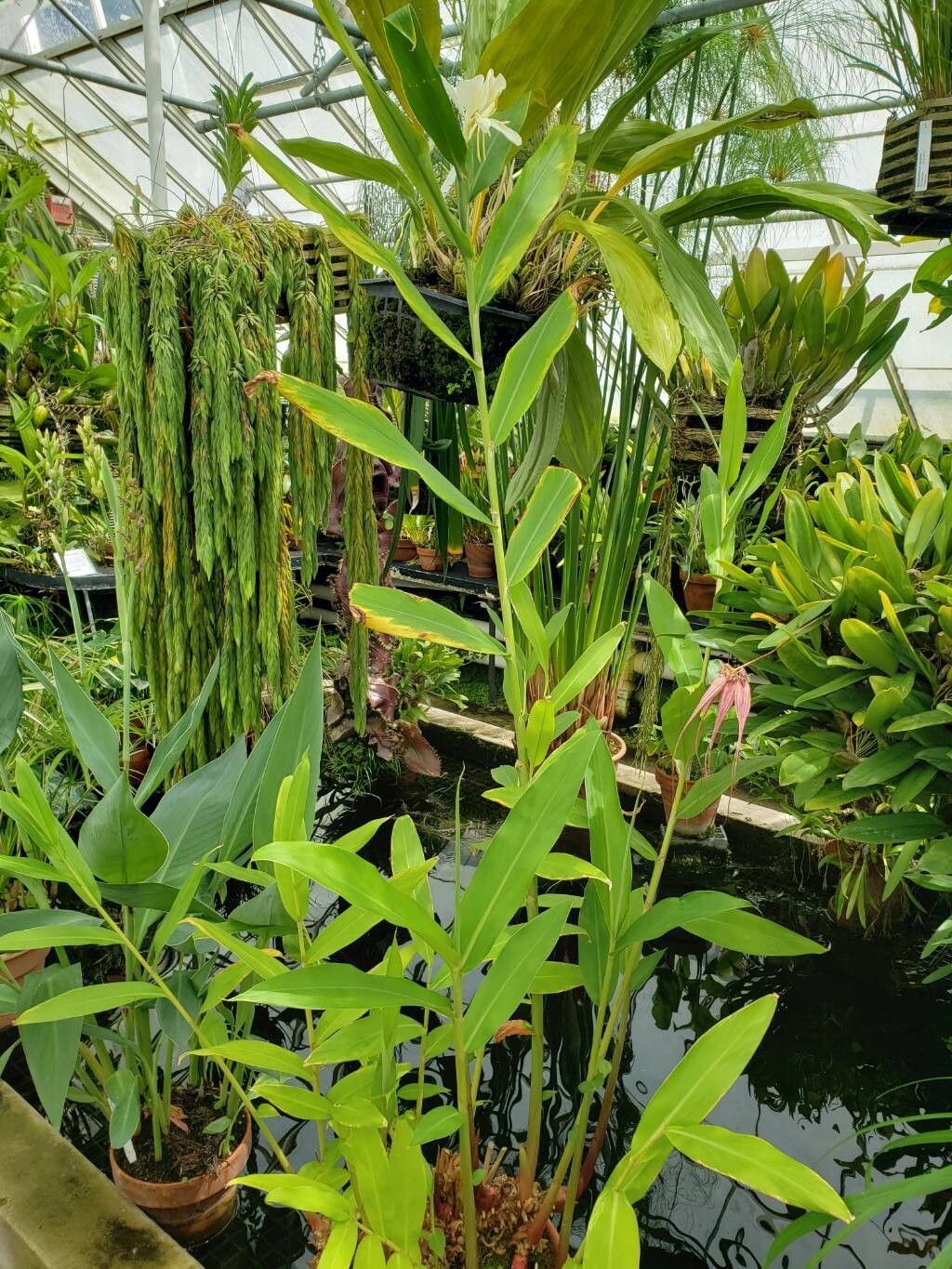
Propagating the Garland Flower: A Guide to Hedychium coronarium
Introduction:
Hedychium coronarium, commonly known as the Garland Flower, White Ginger Lily, or Butterfly Ginger, is a captivating tropical plant prized for its intensely fragrant, white flowers. Native to the Himalayas, this rhizomatous perennial boasts large, lush foliage and boasts a unique appeal to gardeners seeking both beauty and a heady perfume. Its popularity stems not only from its aesthetic qualities but also from its relatively straightforward propagation, although certain methods present more challenges than others. This guide explores several propagation methods for Hedychium coronarium, detailing both the techniques and the associated difficulties.
Seed Germination:
Currently, there are no known reliable methods for seed germination propagation of Hedychium coronarium. While the plant does produce seeds, their germination rate is notoriously low, and even under ideal conditions, successful germination is unreliable. The seeds often possess a short viability period and require specific environmental conditions that are difficult to replicate outside of a controlled laboratory setting.
Cuttings:
Challenges: Propagating Hedychium coronarium from stem cuttings presents moderate challenges. The success rate relies heavily on maintaining consistently high humidity and temperature. Rot is a significant risk if cuttings are not properly treated.
Practical Tips: Take 4-6 inch long cuttings from healthy, non-flowering stems in spring or early summer. Remove lower leaves to prevent rotting and dip the cut ends in rooting hormone. Plant cuttings in a well-draining mix (e.g., perlite and peat moss), maintaining high humidity using a propagator or by covering the container with a plastic bag. Keep the cuttings warm (24-28°C) and consistently moist but not waterlogged. Rooting typically takes several weeks.
Rewards: Successfully propagated cuttings offer a relatively quick route to new plants, preserving the characteristics of the parent plant.
Division:
Challenges: Division is arguably the easiest and most reliable method for propagating Hedychium coronarium. However, it requires the plant to be established and sufficiently mature to have produced ample rhizomes for division. Improper division can damage the rhizomes, leading to plant death.
Practical Tips: Divide mature clumps during dormancy (late autumn or early winter) or early spring. Carefully dig up the entire clump and gently separate the rhizomes, ensuring each division has healthy growth buds and a portion of the rhizome. Replant the divisions immediately in well-draining soil, spacing them appropriately.
Rewards: Division offers the highest success rate, is relatively simple, and allows for rapid multiplication of desirable cultivars.
Tissue Culture:
Challenges: Tissue culture is a more advanced and expensive method, requiring specialized equipment and a sterile laboratory environment. It demands expertise in aseptic techniques and media preparation.
Practical Tips: This method involves growing plant tissues in a controlled sterile environment using nutrient-rich media. It allows for mass production of genetically identical plants. This method is best left to professionals or experienced hobbyists with the necessary resources and knowledge.
Rewards: Tissue culture provides the potential for large scale propagation, producing virus-free plants, and preserving rare or valuable cultivars.
Conclusion:
Propagating Hedychium coronarium offers a range of challenges and rewards depending on the chosen method. While seed germination is currently unreliable, cuttings provide a viable approach although requires careful attention to prevent rot. Division remains the most successful and accessible method for home gardeners, offering a straightforward path to expanding their collection. Tissue culture provides a solution for mass propagation, but this method presents significant technical hurdles. The unique fragrance and beauty of the Garland Flower make the effort involved in propagation deeply rewarding for those willing to invest the time and patience. The satisfaction of nurturing a tiny cutting or rhizome into a fully flowering plant, radiating its intoxicating perfume, makes the challenges worthwhile, ultimately enriching the gardener’s experience. A word of encouragement: Don’t be discouraged by setbacks. Experiment with different techniques and remember that success builds with practice and persistence.