
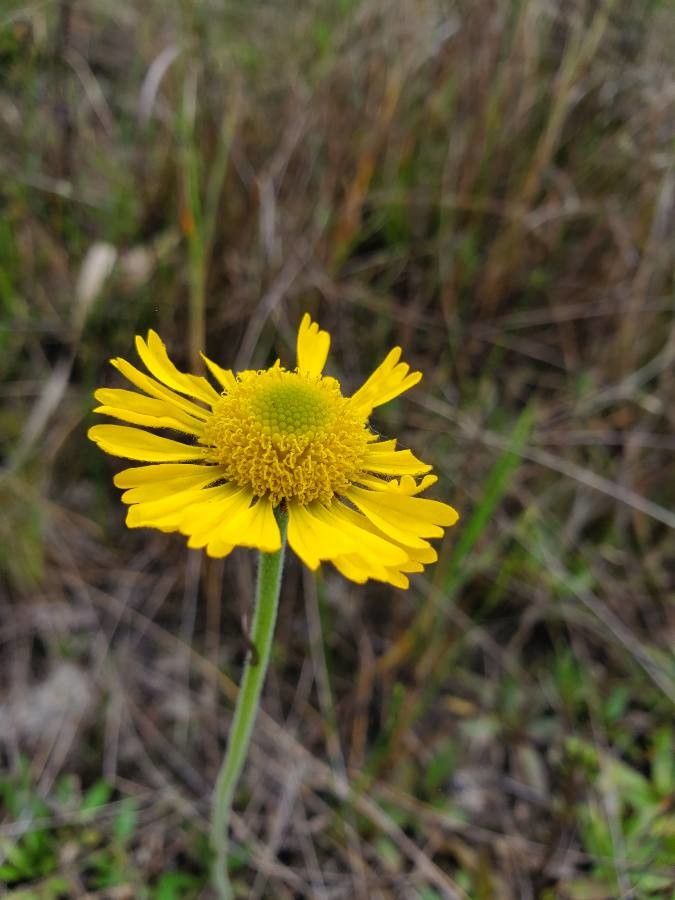
Multiplying Your Sunshine: Propagating Helenium pinnatifidum
Helenium pinnatifidum, with its charmingly drooping petals and sunny disposition, is a welcome addition to any garden. This North American native, also known as the Fernleaf Sneezeweed, boasts vibrant yellow blooms that last from late summer into fall, providing a much-needed pop of color as the days grow shorter. Fortunately, sharing the joy of Helenium pinnatifidum with fellow gardeners is relatively simple thanks to its straightforward propagation methods. Let’s delve into the techniques you can use to multiply your sunshine:
1. Division:
Division is the most common and arguably easiest method for propagating Helenium pinnatifidum. The best time to divide is in early spring, just as new growth begins to emerge. Here’s how to do it:
- Carefully Dig Up: Using a garden fork, gently lift the entire clump of Helenium pinnatifidum from the ground.
- Divide the Clump: You can either tease apart the roots by hand or use a sharp, clean knife or spade to separate the plant into smaller sections. Ensure each division has a good amount of roots and at least one healthy shoot.
- Replant: Choose a sunny spot with well-drained soil for your divisions. Dig a hole twice the size of the root ball and plant the division at the same depth it was previously growing. Water thoroughly.
2. Seed Starting:
While Helenium pinnatifidum can be started from seed, it requires a bit more patience and care compared to division.
- Collect Seeds: In the fall, after the flowers have faded, collect the seed heads. Allow them to dry thoroughly indoors before extracting the seeds.
- Cold Stratification: Helenium pinnatifidum seeds benefit from cold stratification to improve germination rates. To do this, mix the seeds with a bit of moist sand or vermiculite and store them in the refrigerator for 4-6 weeks.
- Sowing: Once the last frost has passed, sow the seeds in seed trays filled with seed-starting mix. Lightly press the seeds into the soil, but do not bury them.
- Transplant: When the seedlings have developed several sets of true leaves and all danger of frost has passed, harden them off gradually and transplant them to their permanent location in your garden.
Tips for Success:
- Regardless of the method you choose, ensure your Helenium pinnatifidum has access to full sun for optimal growth and flowering.
- These plants prefer well-drained soil and are relatively drought-tolerant once established. However, consistent watering, especially during the first year, is beneficial.
- Deadheading spent blossoms can encourage more blooms and prevent self-seeding, which can sometimes lead to overcrowding.
By mastering these simple propagation techniques, you can effortlessly expand your collection of Helenium pinnatifidum. Soon, your garden will be overflowing with vibrant yellow hues, a cheerful reminder of sunshine even as summer starts to fade.