
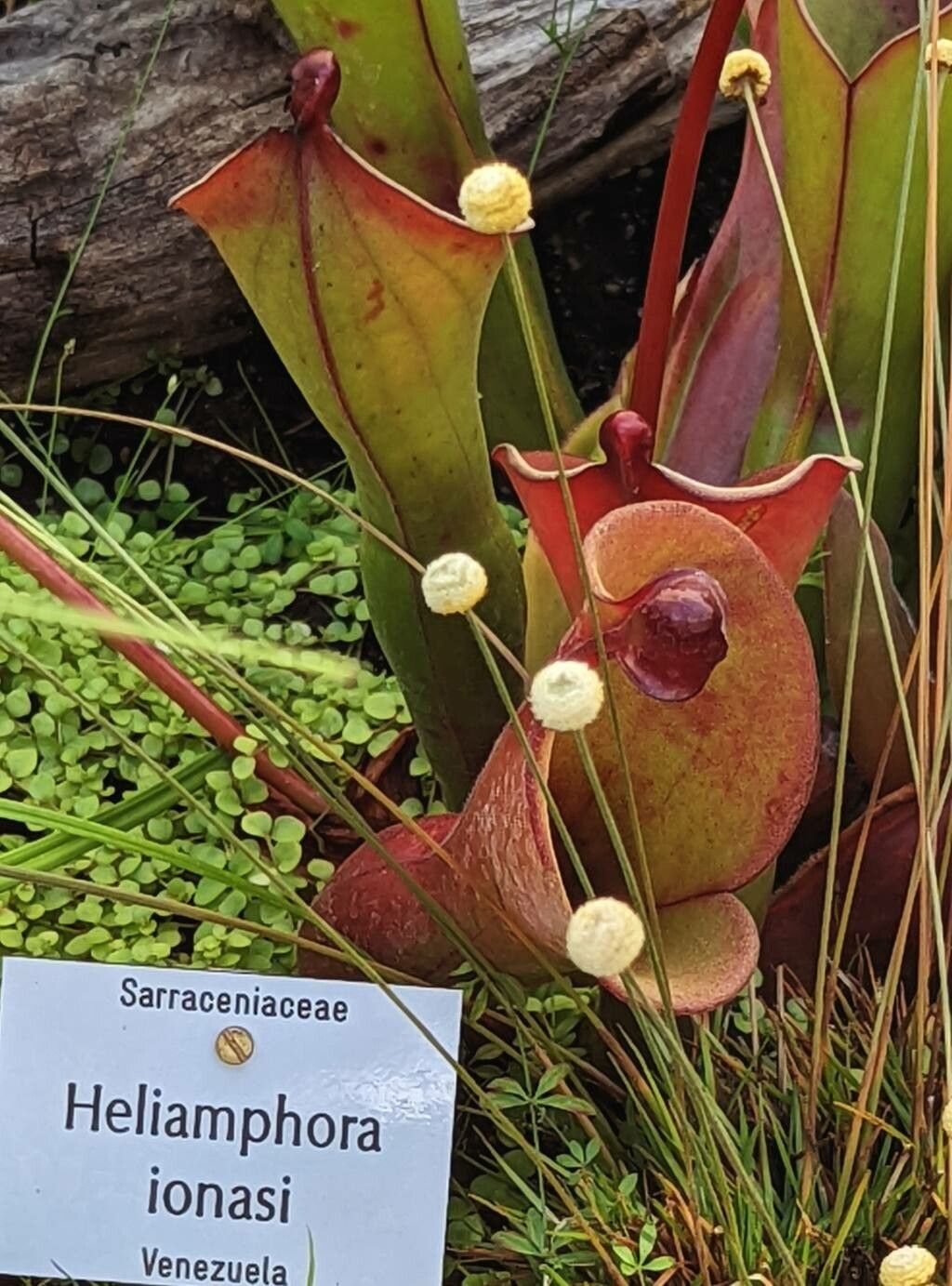
Unlocking the Secrets of Heliamphora Ionasi Propagation: A Guide to Cultivating These Carnivorous Beauties
Heliamphora ionasi, with its alluring tubular pitchers and captivating colors, is a prized possession for any carnivorous plant enthusiast. But these highland jewels from South America can be a bit finicky to propagate. Fear not, fellow plant lovers! This guide will demystify the art of Heliamphora ionasi propagation, equipping you with the knowledge to successfully multiply your collection.
Understanding the Basics
Before diving into the methods, let’s understand the two primary ways to propagate Heliamphora ionasi:
- Seed Germination: This method, though rewarding, requires patience and a meticulous approach. It’s best suited for experienced growers.
- Vegetative Propagation: This technique involves using parts of an existing plant to grow new ones and is generally considered easier and faster. We’ll focus on two popular methods: leaf cuttings and division.
Method 1: Leaf Cuttings – A Simple and Effective Approach
Timing is Key: Spring or early summer, when the plant is actively growing, is the ideal time for taking leaf cuttings.
Selecting the Right Leaf: Choose a healthy, mature leaf that’s firm to the touch and shows no signs of damage or disease.
Making the Cut: Using a sharp, sterilized blade or scissors, carefully cut the leaf at its base, ensuring you take a small portion of the rhizome (the underground stem) with it. This will enhance the chances of successful rooting.
Preparing the Cutting: Trim off any lower pitchers or dead parts on the leaf. You can dip the cut end in rooting hormone (optional but recommended) to stimulate root development.
Planting the Cutting: Choose a well-draining potting mix specifically formulated for carnivorous plants. Sphagnum moss, perlite, and peat moss are excellent ingredients. Plant the cutting with the rhizome part buried in the mix and the leaf slightly tilted.
Creating a Humid Environment: Heliamphora ionasi thrives in high humidity. Place the pot in a propagator or cover it with a clear plastic bag to create a humid microclimate.
Providing Optimal Conditions: Keep the cuttings in bright, indirect light and maintain a temperature between 65-75°F (18-24°C). Water regularly with distilled water or rainwater, ensuring the soil remains consistently moist but not waterlogged.
- Patience is Key: It can take several weeks to a few months for the cuttings to develop roots and new growth. Be patient and avoid disturbing the cuttings during this period.
Method 2: Division – Separating for Multiplication
When to Divide: The best time for division is during repotting in spring. Look for plants that have multiple growth points or offshoots.
Dividing the Plant: Carefully remove the plant from its pot and gently tease apart the rhizome using your fingers or a clean, sharp tool. Each division should have a healthy rhizome and a few leaves attached.
Potting the Divisions: Plant each division in a separate pot with fresh carnivorous plant mix, ensuring the rhizome is buried at the same depth as it was previously.
- Post-Division Care: Follow the same care guidelines as for leaf cuttings, providing high humidity, bright, indirect light, and consistent moisture.
Troubleshooting Tips
- Yellowing or rotting leaves: This usually indicates overwatering or poor drainage. Ensure the potting mix is well-draining and adjust your watering schedule.
- Slow growth or lack of new pitchers: This could be due to insufficient light or low humidity. Move the plant to a brighter location and consider increasing humidity levels.
A Rewarding Endeavor
Propagating Heliamphora ionasi, while requiring patience and attention to detail, is a rewarding endeavor. By following these guidelines and providing the right care, you’ll be well on your way to enjoying a thriving collection of these fascinating carnivorous plants.