
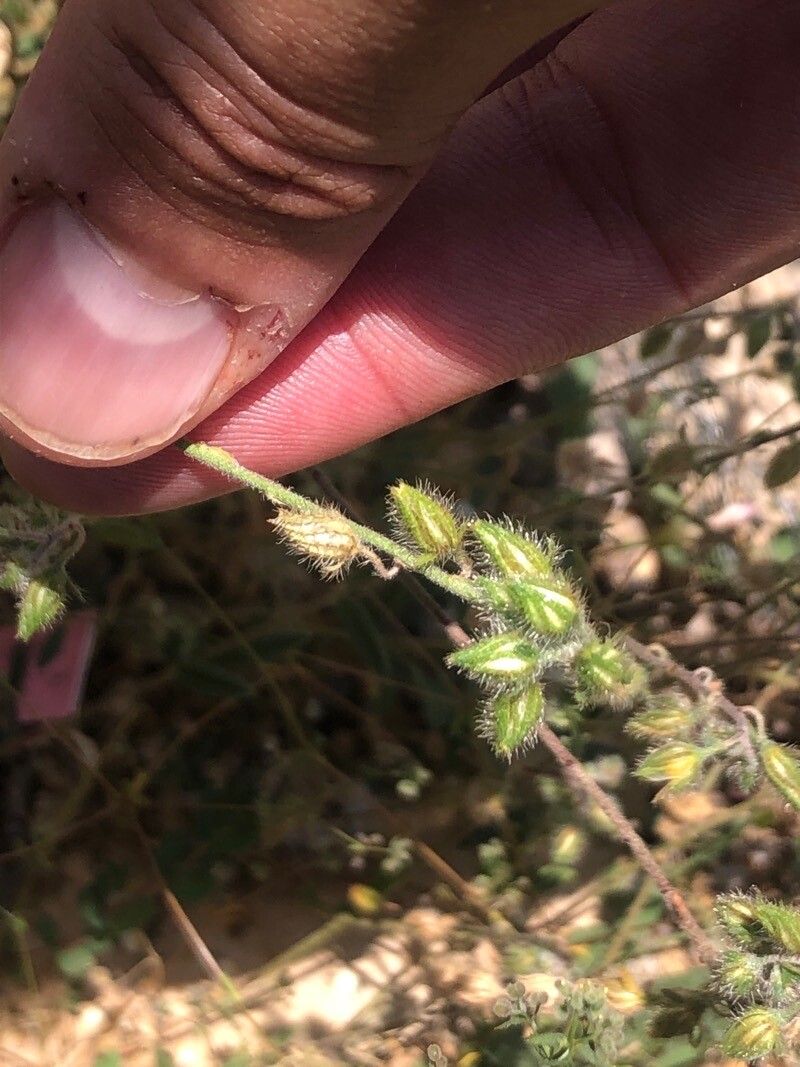
Propagating Helianthemum asperum: A Rockrose Challenge
Introduction:
Helianthemum asperum, commonly known as the rough rockrose, is a captivating low-growing shrub prized for its vibrant, often intensely colored flowers and its drought-tolerant nature. This makes it a popular choice among gardeners seeking hardy and attractive ground cover for rock gardens, dry slopes, or borders. Its resilience, coupled with its showy blooms, makes successful propagation a rewarding endeavor, though not without its challenges. Unlike some readily propagated plants, Helianthemum asperum’s propagation requires careful consideration of several methods.
Seed Germination:
Currently, there are no known reliable methods for seed germination propagation of Helianthemum asperum. While some Helianthemum species may produce viable seeds, obtaining and germinating seeds from H. asperum has proven difficult, potentially due to low seed viability or specific germination requirements yet to be identified. Further research is needed to determine if specific pretreatments or germination conditions might improve success rates.
Cuttings:
Cuttings are a more reliable method for propagating Helianthemum asperum.
Challenges: The primary challenge lies in achieving a high rooting success rate. H. asperum cuttings can be slow to root, and success depends on careful technique and appropriate conditions.
Practical Tips: Semi-hardwood cuttings taken in late summer or early autumn generally yield the best results. Use a sharp knife or shears to take 4-6 inch cuttings from non-flowering stems, removing lower leaves to prevent rotting. Dip the cut ends in a rooting hormone powder before planting in a well-draining, sandy propagation mix. Maintain consistently moist (but not waterlogged) conditions and high humidity, ideally under a propagator or humidity dome.
Rewards: Cuttings offer a more predictable propagation method, ensuring the preservation of desirable characteristics from the parent plant. They are suitable for small-scale propagation to increase the number of plants in a garden.
Division:
Division is another feasible method, particularly for established plants.
Challenges: Helianthemum asperum can be somewhat brittle, making careful division crucial to avoid damaging the root system. Over-division might weaken the plant.
Practical Tips: The best time for division is in spring or autumn. Carefully lift the mature plant, ensuring to disturb the roots as little as possible. Use sharp, clean tools to divide the root ball into several sections, ensuring each section has sufficient roots and stems. Replant immediately in well-prepared soil.
Rewards: Division is a straightforward method for increasing the number of plants, especially beneficial for larger, established specimens. It’s relatively quick and can offer a high success rate if executed correctly.
Tissue Culture:
Tissue culture propagation of Helianthemum asperum is not a widely practiced method and requires specialized laboratory equipment and expertise.
Challenges: Establishing a reliable protocol for H. asperum would require significant research and experimentation to determine optimal media, hormones, and sterilization techniques.
Practical Tips: This method is generally best left to professionals with experience in plant tissue culture techniques.
Rewards: While challenging to establish, tissue culture offers the potential for large-scale, rapid propagation and the elimination of diseases.
Conclusion:
Propagating Helianthemum asperum presents a unique set of challenges. While seed germination appears unreliable presently, cuttings and division provide viable options for gardeners wishing to expand their collection. Success with cuttings depends on meticulous attention to detail, while division requires a gentle approach. Tissue culture remains a more advanced technique. Despite the hurdles, the radiant blooms of a successfully propagated Helianthemum asperum offer a deep sense of accomplishment, demonstrating the rewards of patience and careful horticultural practice. Don’t be discouraged by initial setbacks; the perseverance needed to cultivate this beautiful plant truly enhances the pleasure of its eventual flourishing.