
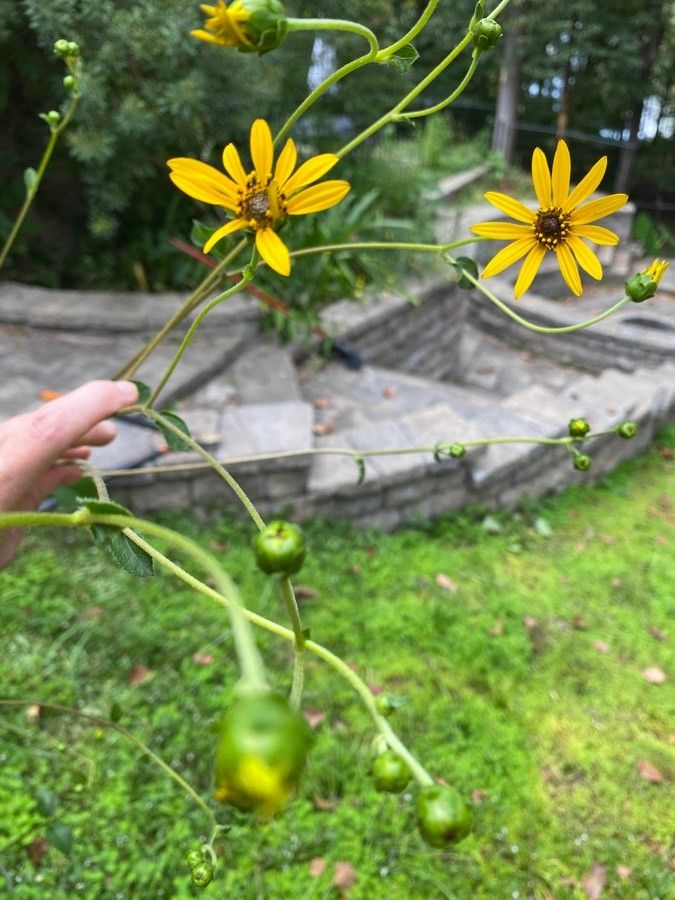
Propagating Helianthus silphioides: A Guide to the Silphium-leaved Sunflower
Helianthus silphioides, commonly known as the Silphium-leaved Sunflower, is a striking North American native perennial prized for its robust, upright growth habit, large, rough-textured leaves, and attractive yellow daisy-like flowers. Its impressive size and drought tolerance make it a popular choice among gardeners seeking low-maintenance, impactful additions to their landscapes. However, propagating this species presents unique challenges, making successful cultivation all the more rewarding. Its relative rarity in cultivation also contributes to the interest in its propagation.
Seed Germination:
Currently, there are no known reliable methods for seed germination propagation of Helianthus silphioides. While the plant produces seeds, they exhibit very low germination rates under typical horticultural conditions. Further research is needed to determine if specific pre-treatment methods, such as scarification or stratification, could enhance germination success.
Cuttings:
Propagating Helianthus silphioides from cuttings offers a more promising approach than seed germination.
Challenges: Hardwood cuttings are generally more successful with herbaceous perennials. Success rates may be lower than with other sunflower species. The cuttings can be susceptible to rot if not kept in a sterile environment.
Practical Tips: Take semi-hardwood cuttings in late summer or early autumn, using 4-6 inch cuttings from the current year’s growth. Remove lower leaves to prevent rotting. Dip the cut ends in rooting hormone and plant them in a well-draining, sterile medium such as perlite or a sand-peat mix. Maintain high humidity with a plastic dome or propagator. Bottom heat can assist rooting.
- Rewards: Cuttings offer a relatively quick way to increase the number of plants, preserving the exact genetic characteristics of the parent plant. This is particularly useful for rare cultivars or plants with desirable traits.
Division:
Division is a highly successful method for propagating Helianthus silphioides.
Challenges: Mature plants are needed to achieve successful division, requiring patience and time for the plant to reach a sufficient size. Improper division can damage the plant, reducing the chances of success for both the parent and offspring plants.
Practical Tips: The best time to divide Helianthus silphioides is in early spring or fall. Dig up the entire plant carefully, ensuring you maintain as much of the root system as possible. Gently separate the crown into individual sections, ensuring each section possesses healthy roots and several growing points. Replant the divisions immediately in well-prepared soil, ensuring proper spacing.
- Rewards: This method ensures a quick and efficient increase in the number of plants while maintaining a high success rate. It enables propagation of established, mature plants.
Tissue Culture:
Tissue culture is a highly specialized method that has not yet been widely tested on Helianthus silphioides, but it offers potential.
Challenges: Tissue culture requires specialized equipment, sterile conditions, and advanced skills. This method is not easily accessible to the average home gardener. It can also be expensive.
Practical Tips: If undertaking tissue culture, a professional lab or experienced propagator should be consulted. Protocols would need to be developed for this particular species.
- Rewards: Tissue culture has the potential to produce large numbers of plants consistently, rapidly, and from disease-free plant material. It offers the potential for mass propagation of desirable genotypes.
Conclusion:
Propagating Helianthus silphioides presents several challenges, particularly with seed germination. However, both cuttings and division offer viable options for successfully increasing the number of these stunning plants. While tissue culture remains an unexplored but promising pathway, the more accessible methods of cuttings and division provide ample opportunity for gardeners to enjoy the unique rewards of cultivating this magnificent sunflower. The perseverance required, alongside the eventual success of cultivating a plant known for its challenges, offers a unique and profound satisfaction. For aspiring propagators, I encourage patience, careful observation, and diligent application of established techniques – the beauty of the Silphium-leaved Sunflower will be more than worth the effort.