
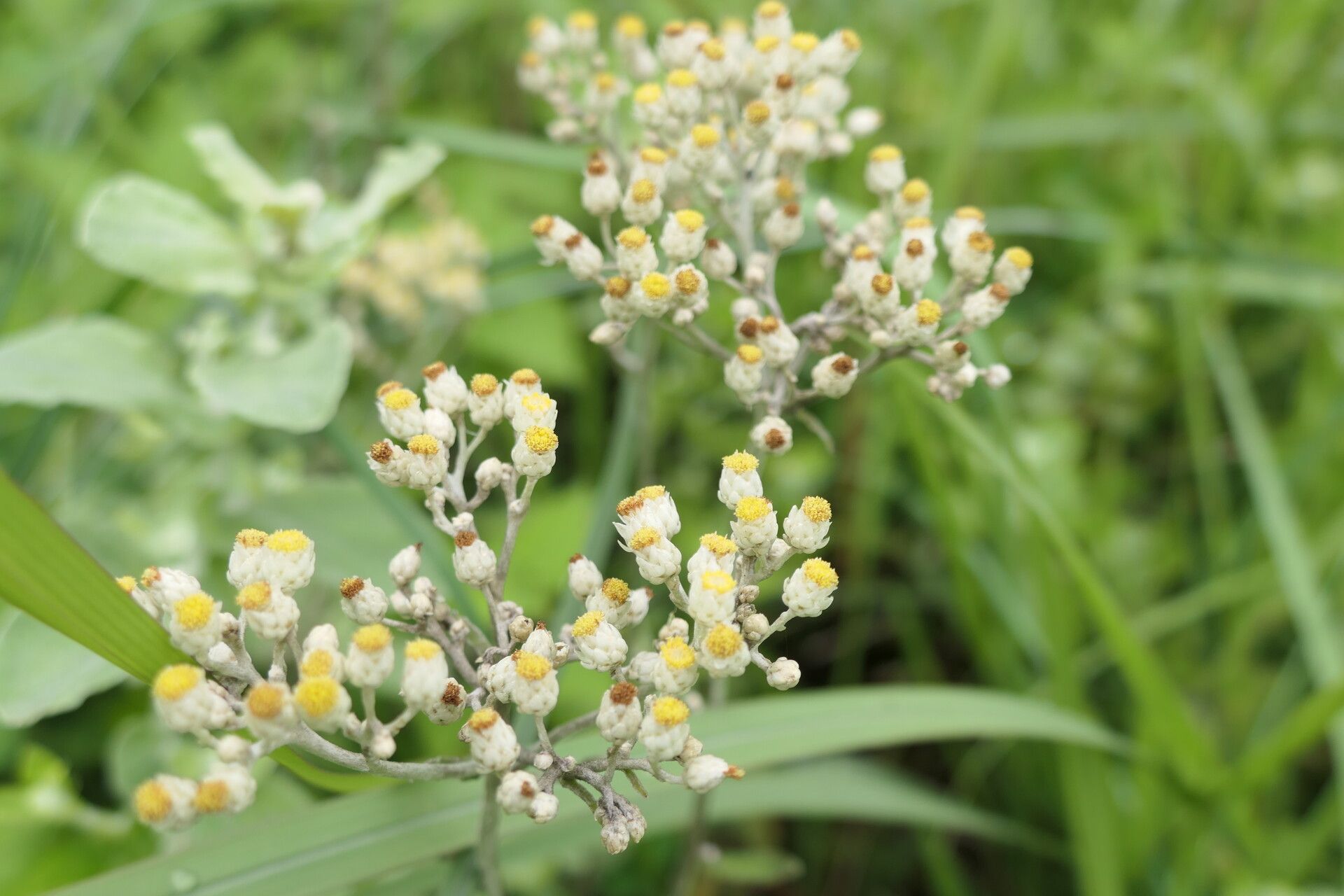
Unveiling the Secrets of Everlasting Propagation: A Guide to Multiplying Your Helichrysum panduratum
Helichrysum panduratum, with its velvety silver leaves and vibrant, long-lasting blooms, deserves a place of honor in any sun-drenched garden. But did you know this stunner, also known as the Cape Coast everlasting, is surprisingly easy to propagate? This means more of these gorgeous plants for you, and perhaps even some lucky friends!
Let’s explore the two main methods to multiply your Helichrysum panduratum:
1. The Magic of Cuttings:
Taking stem cuttings is a reliable and straightforward way to propagate this beauty. Here’s how:
- Timing is Key: The best time for successful propagation is during the active growing season, ideally spring or early autumn.
- Choose Your Weapon: Gather your tools – sharp, clean pruning shears or a sharp knife, a small pot or tray, and a well-draining propagation mix (a blend of peat moss and perlite works well).
- Cut and Prepare: Select a healthy, non-flowering stem about 4-6 inches long. Make a clean cut just below a leaf node (the point where leaves emerge). Remove the lower leaves, leaving 2-3 pairs at the top.
- Hormone Power (Optional): While not essential, dipping the cut end in rooting hormone can encourage faster and more successful rooting.
- Potting Up: Make a small hole in your propagation mix and gently insert the cutting. Firm the soil around the base to keep it upright.
- Patience and Moisture: Water thoroughly and maintain consistently moist (not soggy) soil. Placing the pot in a warm, bright location out of direct sunlight will provide the optimal environment.
Within a few weeks, you should start to see new growth, indicating successful rooting. Once the cuttings are well-established, you can transplant them into individual pots or directly into your garden.
2. Seeding the Future:
While less common, propagating Helichrysum panduratum from seeds can be a rewarding experience:
- Source Your Treasure: You can collect seeds from dried flower heads or purchase them from reputable suppliers.
- Sowing the Seeds: Sow seeds in late winter or early spring in seed trays filled with a well-draining seed-starting mix. Sprinkle seeds thinly across the surface and lightly cover them with a fine layer of soil.
- Light and Warmth: Place the seed tray in a warm, bright location out of direct sunlight. Keep the soil consistently moist using a gentle spray bottle to avoid disturbing the tiny seeds.
- Transplanting Time: Once seedlings emerge and have developed a few sets of true leaves, they can be carefully transplanted into individual pots or directly into the garden after the last frost.
Caring for Your New Propagations:
Whether you choose cuttings or seeds, the key to healthy young Helichrysum panduratum is proper care:
- Sunshine is Their Friend: These plants thrive in full sun, needing at least 6 hours per day for optimal growth and blooming.
- Well-Drained Soil: Good drainage is crucial to prevent root rot. Amend heavy clay soils with compost or other organic matter.
- Watering Wisely: Water deeply but infrequently, allowing the soil to dry out slightly between waterings. Overwatering can be detrimental.
- Pruning for Beauty and Bounty: Deadheading spent blooms encourages continuous flowering and helps maintain a tidy appearance.
By following these propagation techniques and providing attentive care, you can enjoy the captivating beauty of Helichrysum panduratum for years to come, both in your own garden and shared with fellow plant enthusiasts. So, go forth and multiply the everlasting charm!