
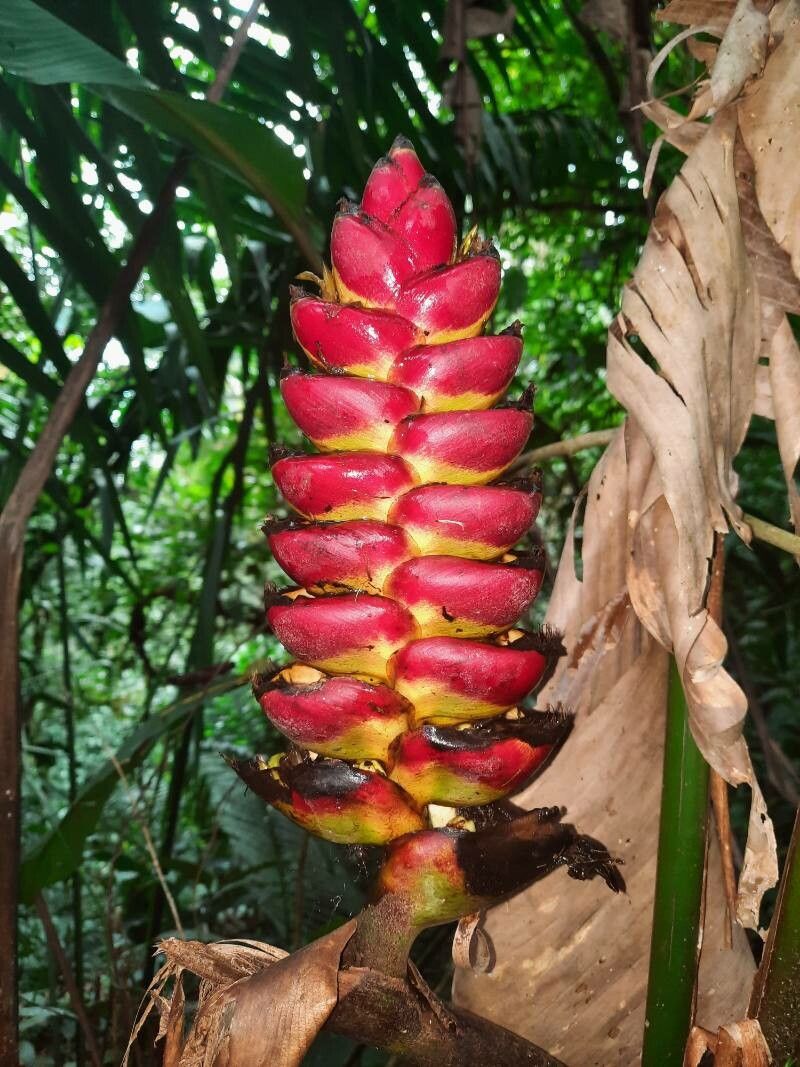
From One Parrot’s Beak to Many: Propagating Heliconia Imbricata
The Heliconia imbricata, often called the “Parrot’s Beak” for its striking, colorful bracts that resemble beaks, is a tropical plant that adds a burst of vibrant color to any garden. With its ease of propagation, it’s possible to turn one plant into a thriving colony of these beauties, sharing their splendor with friends and family.
Methods of Propagation:
There are two primary methods for propagating Heliconia imbricata: division and seed propagation. Let’s delve into both:
1. Division:
This method is the simplest and most successful for beginners. It involves separating a mature plant into smaller divisions, each with its own root system.
- When to Divide: The best time for division is during the dormant period, usually in late winter or early spring.
- How to Divide:
- Carefully dig up the plant and gently loosen the soil around the root ball.
- Look for natural divisions, often indicated by separate root systems.
- Use a sharp knife or pruning shears to cut the plant into sections, ensuring each division has a healthy root system and several emerging shoots.
- Planting: Place the divisions in a well-draining potting mix, allowing them to establish roots in a shaded location for the first few weeks.
2. Seed Propagation:
While slightly more challenging, seed propagation offers a chance to grow unique variations of Heliconia imbricata.
- Sourcing Seeds: Seeds are harvested from ripened fruit capsules – these look like small, brown pods.
- Seed Preparation: Remove the seeds from the pods and soak them in water overnight. This softens the outer coating and helps with germination.
- Planting: Sow the seeds in seed trays or pots filled with a moist, sterile potting mix. The optimal temperature for germination is 75-85 degrees Fahrenheit.
- Germination Time: Expect seeds to germinate in 4-8 weeks, though this can vary depending on conditions.
- Time to Flower: Unlike division, seed-propagated plants may take a little longer to bloom, often taking 2-3 years to reach maturity.
Essential Tips for Success:
- Choose the Right Location: Heliconia imbricata needs shade to partial shade and thrives in moist, well-drained soil enriched with organic matter.
- Water Regularly: Keep the soil consistently moist, avoiding overwatering which can lead to root rot.
- Fertilize: Provide a balanced fertilizer bi-weekly during the growing season to promote vigorous growth.
- Pest and Disease Control: Monitor for pests like mealybugs and aphids and treat them with insecticidal soap if necessary. You may also encounter fungal diseases; address these with appropriate fungicides if needed.
Beyond the Garden:
Heliconia imbricata is more than just a visually stunning plant. Its bracts provide nectar for hummingbirds and other pollinators, making it an asset to local ecosystems. Its vibrant flowers also add a touch of tropical charm to indoor spaces.
Whether you choose division or seed propagation, growing Heliconia imbricata is a rewarding experience. With a little patience and care, you can enjoy the dazzling beauty of the “Parrot’s Beak” for years to come. Your garden will be abuzz with life and color, while the joy of propagation continues to multiply.