
Unlocking the Secrets of Blue Oat Grass: A Guide to Propagating Helictotrichon sempervirens
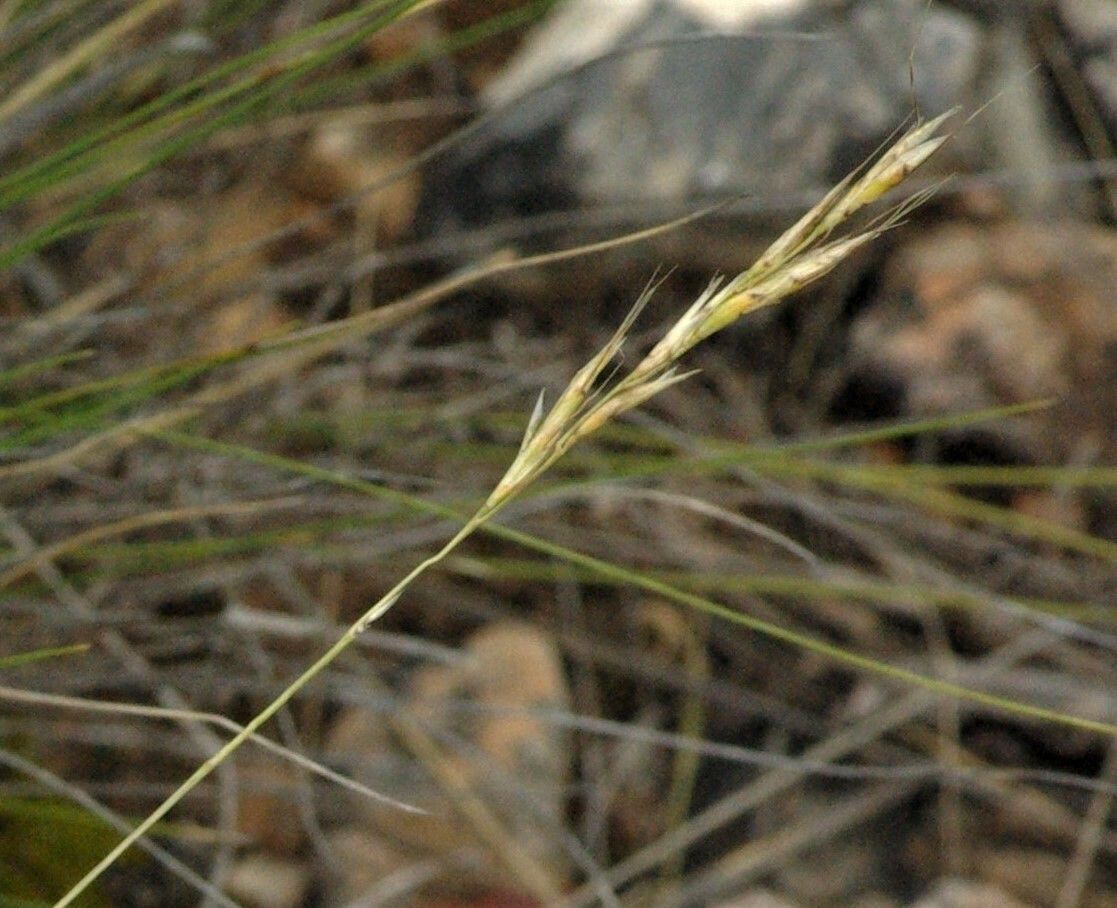
Blue oat grass, scientifically known as Helictotrichon sempervirens, is an ornamental grass prized for its stunning silvery-blue foliage and graceful form. It’s a favorite among gardeners seeking to add texture, movement, and a touch of cool elegance to their landscapes. While readily available at nurseries, propagating your own blue oat grass can be a rewarding experience, allowing you to expand your collection and gain a deeper understanding of this fascinating plant.
In this guide, we’ll explore two effective methods for propagating Helictotrichon sempervirens:
1. Division:
Dividing mature clumps is the most common and arguably easiest way to propagate blue oat grass. Here’s how:
- Timing is Key: Early spring or early fall, when the plant is actively growing but not stressed by extreme temperatures, is the ideal time for division.
- Digging Up the Clump: Carefully dig around the base of the clump, ensuring you dig a wide enough circle to avoid damaging the roots. Gently lift the entire clump from the ground.
- Division Time: Depending on the size of your clump, you can divide it into smaller sections using a sharp, clean knife or garden spade. Aim for divisions with a good root system and at least a few healthy shoots.
- Replanting: Prepare your planting site with well-draining soil and a sunny location. Plant the divisions at the same depth they were originally growing. Water thoroughly and keep the soil consistently moist until new growth emerges.
2. Growing from Seed:
While slightly more time-consuming, propagating blue oat grass from seed offers a sense of accomplishment and often results in a large number of new plants. Follow these steps:
- Seed Collection: Collect seeds from mature flower heads in late summer or early fall. Look for seeds that are plump and dark brown.
- Sowing: You have two options:
- Direct Sowing: In fall, sow seeds directly outdoors in prepared seedbeds. Lightly rake the seeds into the soil and water gently.
- Indoor Sowing: Start seeds indoors in late winter or early spring using a seed-starting mix. Sprinkle seeds on the surface and lightly cover with soil. Keep the soil moist and provide bright, indirect light.
- Transplanting: Once seedlings started indoors have developed several sets of true leaves, harden them off for a week or two before transplanting outdoors after the last frost.
Tips for Success:
- Well-Drained Soil: Helictotrichon sempervirens thrives in well-drained soil and dislikes soggy roots. Amending heavy clay soils with compost or sand is crucial.
- Sunlight Requirements: Choose a sunny location for your blue oat grass, ideally with six or more hours of direct sunlight per day.
- Watering: Keep newly planted divisions or seedlings consistently moist but avoid overwatering. Once established, blue oat grass is quite drought tolerant.
- Fertilization: While not a heavy feeder, a light application of a balanced fertilizer in spring can promote healthy growth.
- Pest and Disease Resistance: Blue oat grass is generally pest and disease-resistant, making it a low-maintenance choice for the garden.
Propagating your own blue oat grass is a rewarding endeavor that allows you to multiply your plants and enjoy their graceful beauty throughout your landscape. Whether you choose division or seed propagation, following these tips will set you up for success in cultivating this stunning ornamental grass.