
More Than Meets the Eye: Unveiling the Secrets to Propagating the Rare Helosciadium crassipes
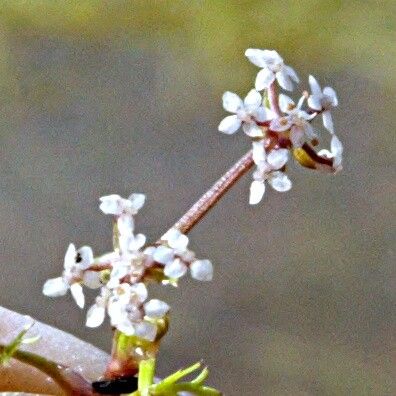
The world of botany is teeming with hidden gems, and amongst them lies the delicate and intriguing Helosciadium crassipes, also known as the “thick-footed water-parsnip”. This semi-aquatic perennial, native to Europe, boasts beautiful umbels of white flowers and thrives in damp environments like marshes and pond edges. While considered endangered in some areas, understanding its propagation methods can help ensure its conservation and introduce this unique plant to more gardens.
Two Paths to Propagation:
1. Seed Propagation:
For the adventurous gardener, cultivating Helosciadium crassipes from seed offers a rewarding challenge.
- Seed Collection: Seeds mature in late summer and are housed within the plant’s distinctive, ridged fruits. Collect these fruits as they turn brown and allow them to dry thoroughly. Once dry, gently crush the fruits to release the tiny seeds within.
- Sowing: Sow seeds in late winter or early spring. Since they require light to germinate, sprinkle them on the surface of a moist, seed-starting mix without burying them.
- Environmental Control: Maintaining consistent moisture is crucial. Use a humidity dome or cover the tray with a plastic bag to create a humid microclimate. Place the seed tray in a bright location, but out of direct sunlight.
- Patience is Key: Germination can be slow and erratic, often taking several weeks or even months.
2. Division:
For a quicker and more reliable method, propagation through division is preferred.
- Timing is Everything: Divide established plants in spring just as new growth emerges.
- The Dividing Line: Carefully dig up the entire plant, ensuring minimal disturbance to the root system. Using a sharp, clean knife or garden shears, section the root ball into smaller portions, making sure each division has a healthy amount of roots and shoots.
- New Beginnings: Replant the divisions at the same depth they were originally growing and water them thoroughly. Maintain consistent soil moisture, especially during the first few weeks after division.
Creating the Perfect Habitat:
Whether you choose seed propagation or division, providing the right growing conditions is essential for success.
- Sun and Soil: Helosciadium crassipes thrives in full sun to partial shade. Opt for a consistently moist soil that mimics its natural wetland habitat. A mix of loam, peat moss, and sand can provide good drainage while retaining moisture.
- Water, Water Everywhere: Consistent moisture is key. Ideally, situate your plants in shallow water or at the edge of a pond or bog garden where their roots can access constant moisture.
- Maintenance Made Easy: This species is relatively low-maintenance. However, keep an eye out for common garden pests and diseases. Regular weeding and removal of any dead or diseased foliage will ensure healthy growth.
Beyond the Beauty:
Cultivating Helosciadium crassipes isn’t just about adding a unique beauty to your garden. By understanding and implementing these propagation techniques, you’re contributing to the conservation of a vulnerable species. So, why not embrace the challenge? Unlock the secrets of propagating this intriguing plant and enjoy the rewards of nurturing this delicate beauty in your own backyard.