
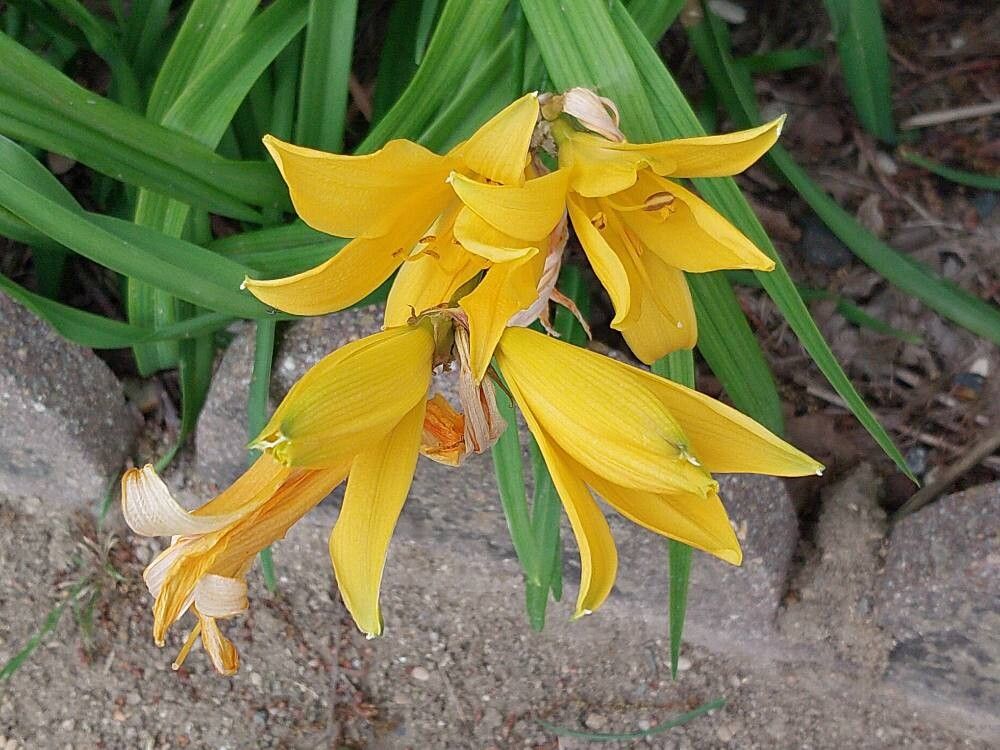
Propagating Hemerocallis dumortieri: A Gardener’s Guide
Hemerocallis dumortieri, commonly known as the Dumortier’s Daylily, is a charming and relatively uncommon species of daylily prized for its delicate, usually yellow flowers and slender foliage. While not as ubiquitous as some of its hybridized cousins, its unique characteristics make it a desirable addition to any garden. Its propagation, however, presents distinct challenges and rewards, making it a fascinating subject for plant enthusiasts.
Seed Germination:
Currently, there are no known reliable methods for seed germination propagation of Hemerocallis dumortieri. While daylilies in general can be propagated from seed, the success rate for this particular species is reportedly very low, if not nonexistent. This is likely due to a combination of factors, including low seed viability and specific germination requirements that haven’t yet been identified. Therefore, gardeners seeking to increase their stock of H. dumortieri should explore alternative methods.
Cuttings:
Propagating Hemerocallis dumortieri from cuttings is also generally unsuccessful. Daylilies, unlike many other plants, do not readily root from stem or leaf cuttings. The plant’s physiology does not lend itself to this form of vegetative propagation.
Division:
Division is the most reliable and commonly used method for propagating Hemerocallis dumortieri. This involves carefully separating mature clumps into smaller sections, each containing healthy roots and actively growing leaves.
Challenges: Successful division requires careful handling to avoid damaging the roots and rhizomes. Overly small divisions may struggle to establish themselves while overcrowded clumps prior to division can also hinder propagation.
Practical Tips: The ideal time for division is during dormancy (late autumn or early spring). Use a sharp spade or knife to divide the clump, ensuring each section has a well-developed root system and several healthy fans of foliage. Plant the divisions immediately in well-prepared soil, providing adequate spacing.
- Rewards: Division is a relatively straightforward method guaranteeing a high success rate, preserving the genetic characteristics of the mother plant, and allowing for the rapid increase of stock.
Tissue Culture:
Tissue culture propagation offers a potentially high-yield method, though it’s not readily accessible to home gardeners.
Challenges: Tissue culture requires specialized equipment, sterile conditions, and expertise in plant tissue culture techniques. It’s typically undertaken in laboratories or by specialized nurseries.
Practical Tips: This method necessitates growing plant tissues in a nutrient-rich agar medium under controlled conditions. Sterilization of both equipment and plant material is of paramount importance to prevent contamination.
- Rewards: Tissue culture can produce a large number of genetically identical plants from a small amount of source material, making it ideal for mass production of clonal material. It also gives the possibility of propagating plants from weak or damaged specimens.
Conclusion:
Propagating Hemerocallis dumortieri, while challenging depending on the method, is ultimately rewarding. While seed and cutting propagation methods are unreliable for this species, division offers a practical and effective way to increase your stock. For large-scale propagation, exploring tissue culture remains a viable option albeit requiring skilled professionals and resources. The satisfaction of nurturing a rare beauty like Hemerocallis dumortieri from a small division into a thriving clump is undeniable. Don’t be discouraged by the complexities; with careful preparation and attention, the successful cultivation of this delightful daylily is entirely achievable. Remember to prioritize the division method until proficient in tissue culture. The unique satisfaction derived from propagating a plant often mirrors its rarity and resilience – a sentiment perfectly encapsulated by the rewarding journey of cultivating Hemerocallis dumortieri.