
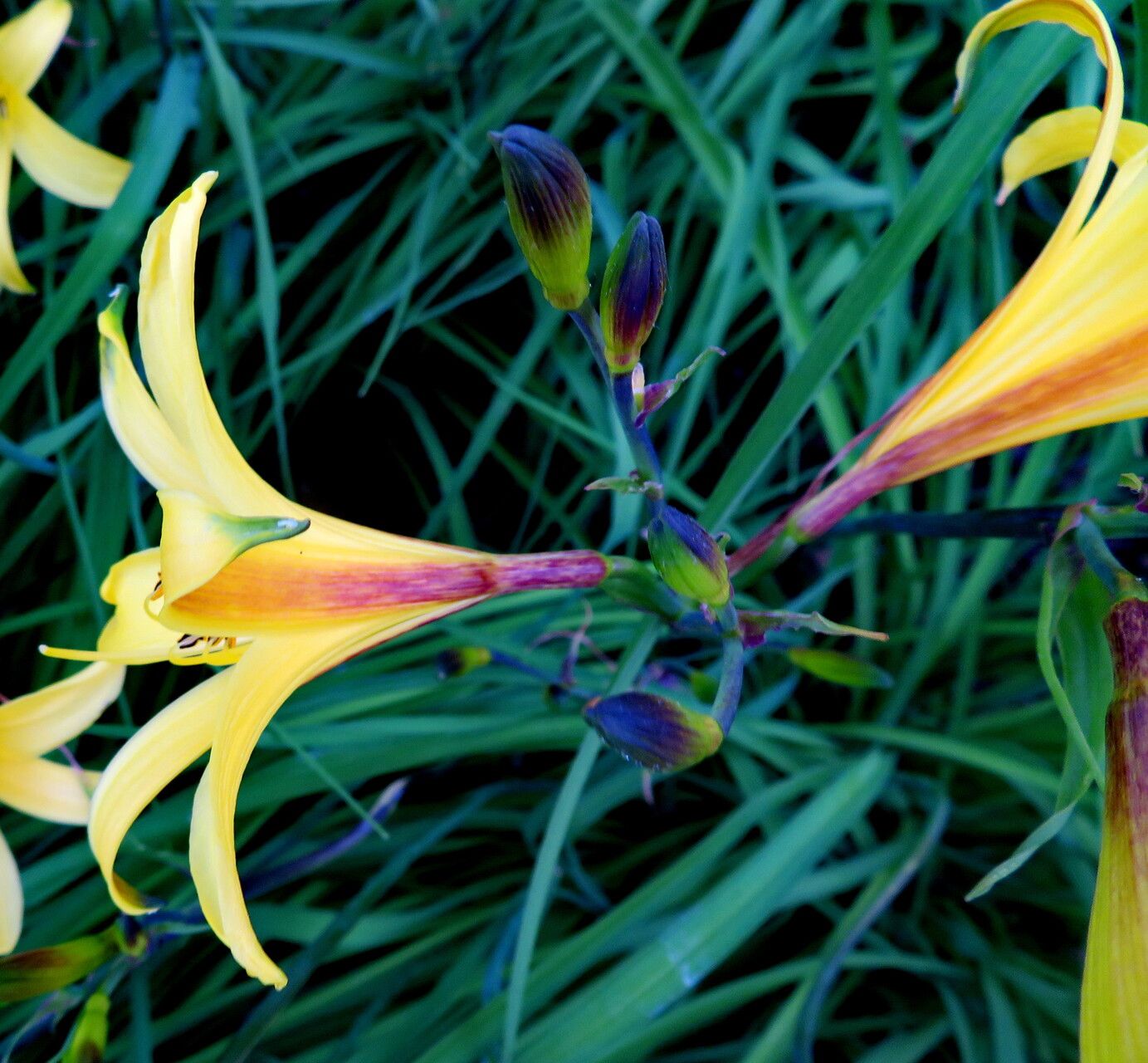
Unleashing the Golden Symphony: Propagating Middendorff’s Daylily (Hemerocallis middendorffii)
Middendorff’s Daylily (Hemerocallis middendorffii), with its vibrant golden blooms and early summer fanfare, is a sight to behold. This hardy perennial, native to East Asia, brings a burst of sunshine to any garden. But did you know that sharing the joy of these lilies is easier than you think? Propagating Hemerocallis middendorffii is a rewarding experience for both seasoned and novice gardeners. Let’s delve into the world of daylily propagation and discover how to multiply your floral symphony.
Division: The Gold Standard
The most common and efficient method for propagating Middendorff’s Daylily is through division. This technique takes advantage of the plant’s natural growth habit of forming clumps. Here’s how it’s done:
- Timing is Key: The best time to divide is either in early spring, just as new growth emerges, or in late summer after the flowering period.
- Digging Deep: Carefully dig around the clump of daylilies, ensuring you go deep and wide enough to avoid damaging the roots.
- Gentle Separation: Lift the entire clump out of the ground and gently shake off excess soil. Using your hands or a garden fork, carefully separate the clump into smaller sections, ensuring each section has a healthy root system and at least 2-3 fan-shaped leafy shoots.
- Replanting: Prepare your new planting site with well-drained soil amended with compost. Plant the divided sections at the same depth they were originally growing, water thoroughly, and mulch to retain moisture.
Seeds: A Longer Path to Golden Glory
While division is the quickest route to new daylilies, propagating from seed offers a unique adventure, with the possibility of new and exciting variations in flower form or color. Here’s a glimpse:
- Collecting Seeds: After the flowers fade, seed pods will form. Allow the pods to dry on the plant, turning brown and slightly papery. Collect the seeds within.
- Sowing the Seeds: Start seeds indoors in late winter or early spring. Sow seeds in a seed-starting mix, lightly covering them. Provide warmth and consistent moisture.
- Transplanting Seedlings: Once seedlings develop a few true leaves, harden them off gradually before transplanting them outdoors after the last frost.
- Patience is a Virtue: Be aware that daylilies grown from seed can take 2-3 years to flower.
Tips for Successful Propagation
- Healthy Parent Plants: Always choose healthy, vigorous clumps for division or seed collection.
- Sharp Tools: Ensure your tools are clean and sharp to minimize plant stress and disease transmission.
- Watering Wisdom: Water newly planted divisions or seedlings regularly, especially during dry periods, until they become established.
- Pest Patrol: Keep an eye out for pests like slugs and snails that can damage young plants.
Propagating your Middendorff’s Daylilies is a rewarding endeavor that allows you to share the brilliance of these golden beauties with fellow garden enthusiasts. Whether you choose the swift path of division or the exciting journey of seed propagation, the satisfaction of nurturing new life will enhance your love for these stunning summer bloomers. So go ahead, propagate, and let your garden sing with the golden symphony of Middendorff’s Daylilies!