
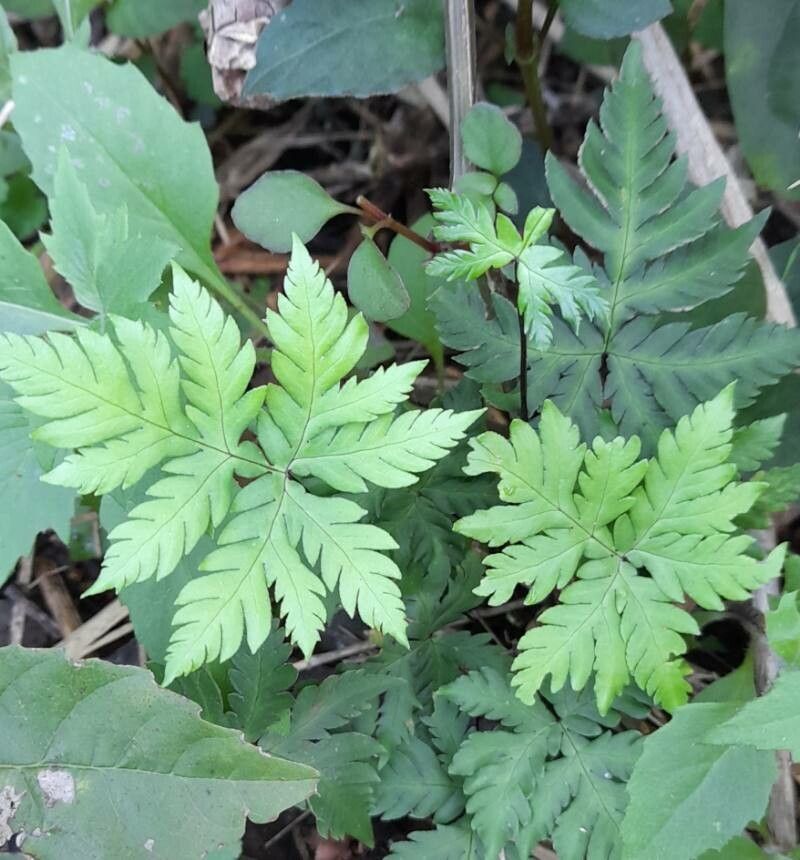
Unlocking the Secrets of Hemionitis Concolor Propagation: A Guide to Multiplying Your Jewel Fern
The Hemionitis concolor, also known as the Jewel Fern, captivates plant enthusiasts with its iridescent leaves that shimmer like polished gemstones. But did you know that propagating this botanical treasure is easier than it looks? Whether you’re a seasoned plant parent or a curious beginner, this guide unlocks the secrets to multiplying your Hemionitis concolor and filling your home with its captivating beauty.
Understanding the Basics
Before diving into the methods, it’s crucial to grasp how this fern reproduces. Unlike many plants that propagate from cuttings, the Hemionitis concolor primarily relies on spores and plantlets.
- Spores: Tiny, dust-like particles found on the undersides of mature fronds.
- Plantlets: Miniature ferns that sprout on established fronds, ready to be separated and potted.
Method 1: Spore Propagation (For the Adventurous)
Propagating from spores offers a rewarding challenge and allows you to witness the fern’s life cycle firsthand. Here’s how to embark on this fascinating journey:
- Spore Collection: Gently scrape the mature, brown spores from the underside of a frond onto a clean, white sheet of paper.
- Sowing: Prepare a seed tray or small pots with moist, sterile seed-starting mix. Scatter the spores lightly over the surface, avoiding overcrowding. Mist with water and cover the container with a humidity dome or plastic wrap to maintain moisture.
- Patience is Key: Place the container in a warm, indirectly lit area. Spore germination can take anywhere from a few weeks to a couple of months. Observe for a thin, green layer on the soil surface, indicating successful germination.
- Transplanting: Once the tiny fernlets develop several fronds, carefully transplant them into individual pots filled with well-draining potting mix.
Method 2: Plantlet Propagation (The Easier Route)
For those seeking a more straightforward approach, plantlet propagation provides a higher success rate and faster results. Here’s how to propagate your Hemionitis concolor using this method:
- Identify Plantlets: Examine mature fronds for small, fully formed plantlets with their own roots.
- Separation: Gently detach the plantlets from the parent frond, ensuring you collect some roots. You can use a sharp, sterilized knife or simply pinch them off with your fingers.
- Potting Up: Plant the separated plantlets in small pots filled with a well-draining potting mix. Keep the soil consistently moist but not waterlogged.
- New Growth: Place the potted plantlets in a warm, humid environment with indirect light. Within a few weeks, you should observe new growth, signifying successful propagation.
Tips for Success:
- Optimal Conditions: Provide your propagated Hemionitis concolor with warmth, humidity, and indirect light. Avoid direct sunlight, as it can scorch the delicate fronds.
- Watering Wisely: Water when the top inch of soil feels dry to the touch. Overwatering can lead to root rot.
- Humidity Matters: Maintain humidity levels by misting regularly, placing a humidity tray nearby, or using a humidifier.
Propagating your Hemionitis concolor is an enriching experience that deepens your connection with this captivating fern. Whether you choose the adventurous route of spore propagation or the more straightforward plantlet method, enjoy the journey of multiplying your botanical treasures and transforming your space into a haven of shimmering greenery.